Linux 7.2 Converts exFAT to IOmap: USB and SD Card Transfers Get Faster
Linux 7.2 Converts exFAT to IOmap: USB and SD Card Transfers Get Faster
Publish Date: 2026-06-21 06:36:00
Source Domain: www.techtimes.com
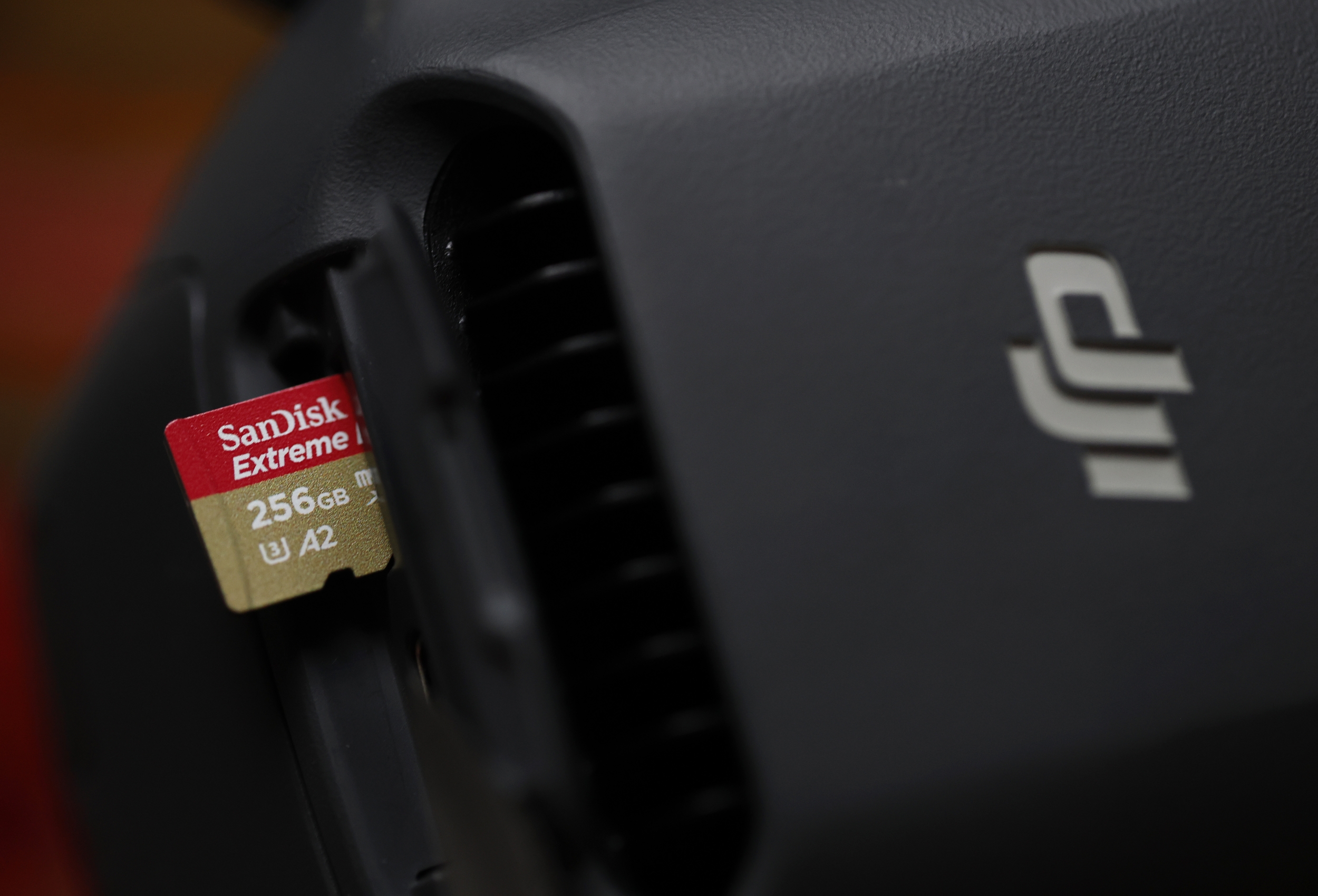
In this photo illustration, a SanDisk memory card is displayed on January 30, 2026 in San Anselmo, California.
Justin Sullivan/Getty Images
The file system on virtually every USB drive and SD card on the planet just got a significant architectural upgrade. On June 20, 2026, the exFAT pull request for Linux 7.2 — submitted by maintainer Namjae Jeon — was merged into the kernel’s active merge window, converting the driver to use the IOmap infrastructure that already powers Linux’s most-used file systems. The practical result: faster large-file transfers on removable media, cleaner internal code paths, and — critically — admission to a class of kernel-wide storage optimizations that the old architecture could never receive.
What exFAT Is and Why It Is Everywhere
ExFAT (Extensible File Allocation Table) is a Microsoft file system introduced in 2006 and adopted by the SD Association as the mandatory format for SDXC and SDUC cards larger than 32 GB. Because every major operating system — Windows, macOS, Linux, iOS, and Android — supports it natively, exFAT is the de facto standard for portable media: nearly every USB flash drive, SD card, and external SSD sold worldwide ships formatted with it.
Linux gained native in-kernel exFAT support with kernel 5.4 in November 2019, after Microsoft published the exFAT specification and released the associated patents to the Open Invention Network in August 2019. The improved, Samsung-derived driver maintained by Namjae Jeon arrived in kernel 5.7 in 2020. Since then, the driver has been actively maintained — it received a robustness fix in 2025 addressing a cluster-chain loop condition that could cause directory handling to stall on malformed media — but its I/O architecture remained comparatively conservative.
What IOmap Is and What the Conversion Changes
IOmap is the Linux kernel’s modern I/O abstraction layer. Rather than letting each file system manage its own page-cache bookkeeping, IOmap centralizes that…