This CEO Just Raised $110 Million to Make Banks Agent-First
This CEO Just Raised $110 Million to Make Banks Agent-First
Publish Date: 2026-07-06 04:04:00
Source Domain: www.pymnts.com
Enterprise AI has spent the last two years proving it can summarize documents, answer questions and automate repetitive work. Banking has spent the same two years asking a different question: can artificial intelligence be trusted to make decisions that carry financial, regulatory and legal consequences?
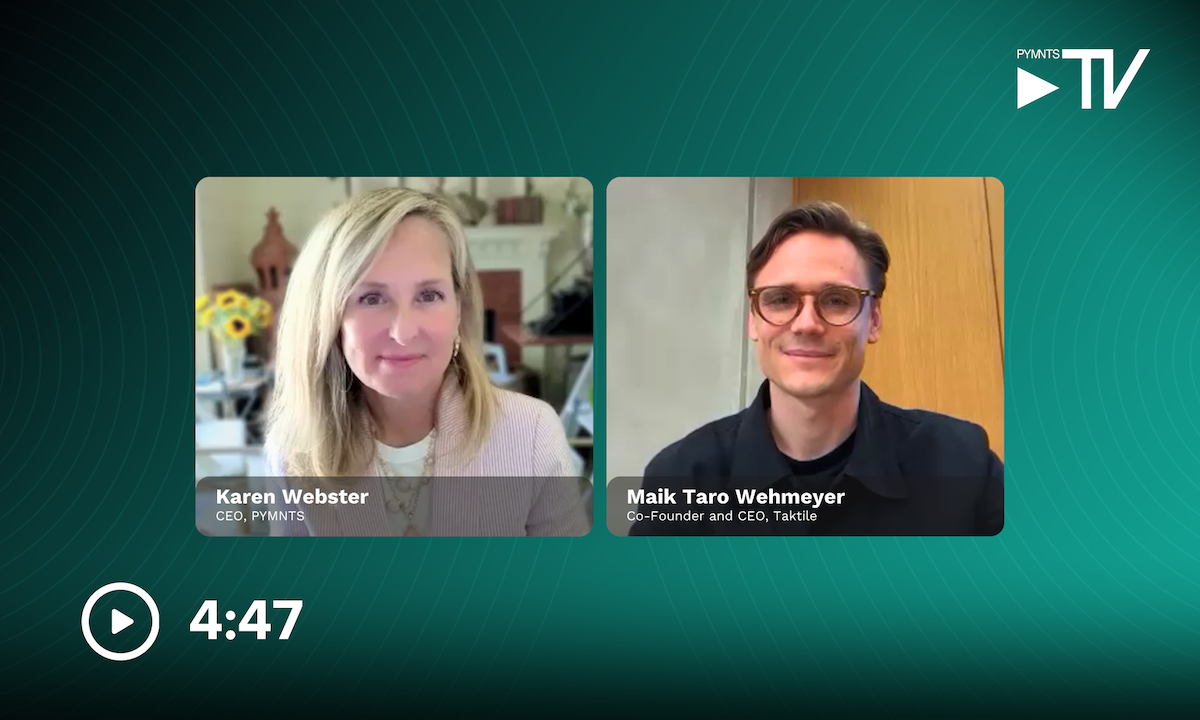
That threshold, as Maik Taro Wehmeyer, co-founder and CEO at Taktile, told PYMNTS CEO Karen Webster, is beginning to move.
“The models have not been good enough to be ready for mission critical decisions for financial services,” he said. “2026 is the year where AI will come to financial services.”
Fresh off a $110 million funding round led by Goldman Sachs Alternatives, Taktile is betting that the market for autonomous financial decision-making is arriving faster than many executives realize. The company’s platform deploys AI agents designed specifically for regulated financial institutions, helping banks automate some of their most complex operational workflows while maintaining regulatory oversight.
Wehmeyer believes the financial services industry is moving toward an “agent-first” future where conversational AI becomes the primary interface for opening accounts, applying for loans and interacting with financial institutions.
The wager is less about replacing humans than about redefining how institutions interact with AI.
AI’s Real Inflection Point Is Better Risk Decisions, Not Better Models
Despite the hype and headlines surrounding AI, many enterprise executives still remain reluctant to grant AI agents access to core enterprise systems, let alone authorize them to make high-stakes decisions. This is especially true inside highly regulated industries like banking.
Webster opened the discussion by asking the central question facing companies building enterprise AI today: “Are you betting on a market that exists today or one that you see evolving and accelerating?”
For Wehmeyer, the answer was unequivocal. Instead of simply assisting…