I stopped using beginner Linux distros, and my workflow finally made sense
I stopped using beginner Linux distros, and my workflow finally made sense
Publish Date: 2026-06-26 09:31:00
Source Domain: www.howtogeek.com
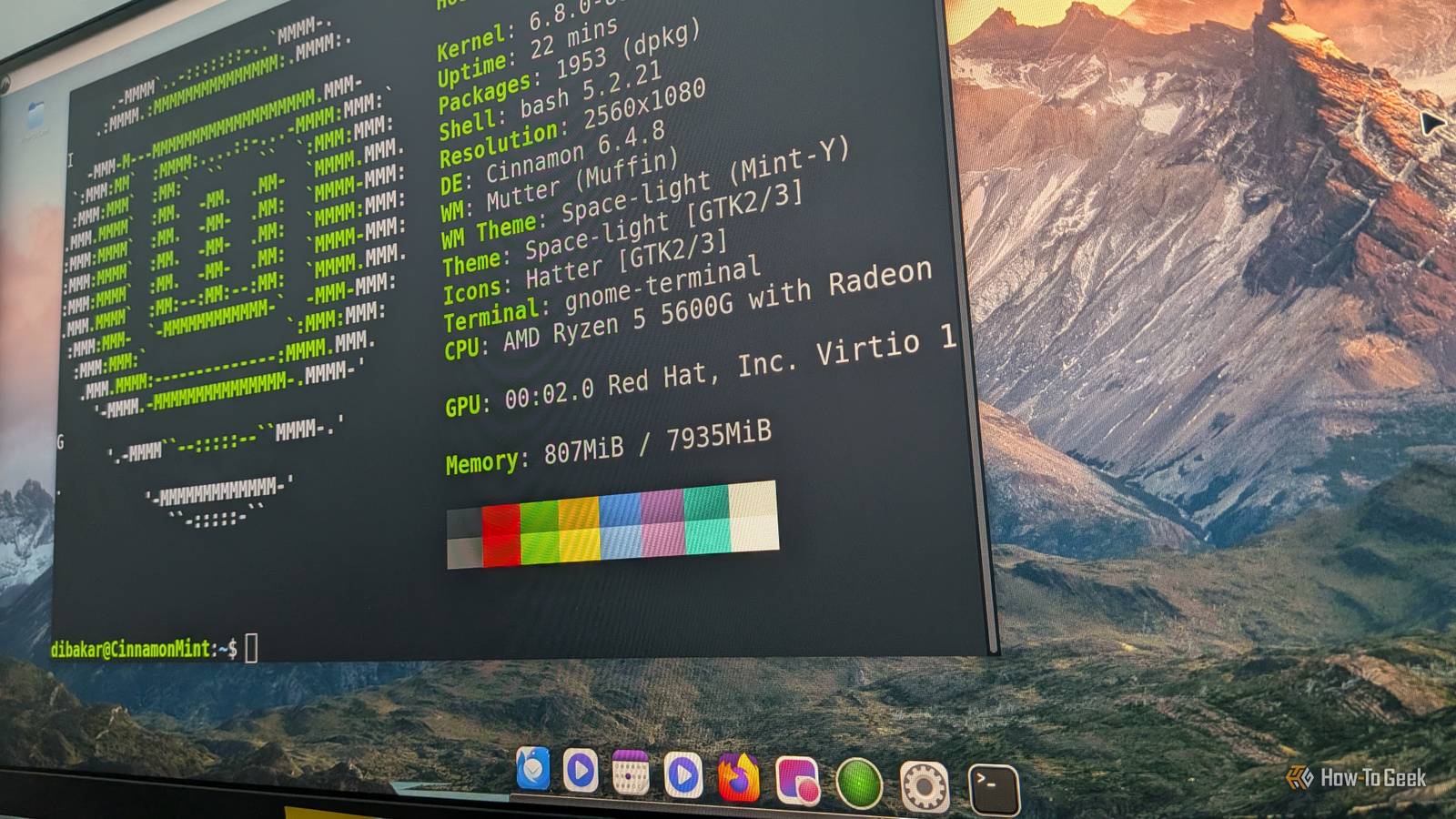
The Linux community has lauded “beginner-friendly” distros like Linux Mint almost as long as Linux has existed. While everyone has to start somewhere, I probably won’t be switching to one anytime soon.
You’re only a Linux beginner once
You don’t need hand-holding after 20 years
When I first started seriously using Linux a little over 20 years ago, a “user-friendly” approach might have made sense. I was more familiar with using Windows at the time (and MS-DOS before that), and I was moving into Mac OS X (as macOS was called then) for my media studies.
Getting a Linux distribution to install and boot, even in the mid-2000s, still seemed like a geek accomplishment. I might have been starting on “hard mode” with Debian, but I thought it was a natural follow-on from Knoppix since Knoppix was based on Debian. Then, as now, the problem was more hardware support, as I had trouble getting the video card’s 3D acceleration to work. This was more involved back then.
I probably had an advantage in that I’d gotten accustomed to the Unix command line on the Mac, which certainly helped with getting to grips with Linux. I also chose Debian because the Fink package manager was heavily influenced by Debian’s APT.
Linux might have had a steeper learning curve on the desktop than it does now, but most people only have to climb them once unless something major changes. I’ve developed a comfort and fluency with Linux over the years that “beginner-friendly” distros don’t have as much appeal.
“Beginner-friendly” usually means “Windows clone”
If people want Windows, they’ll use Windows
In the Linux…

