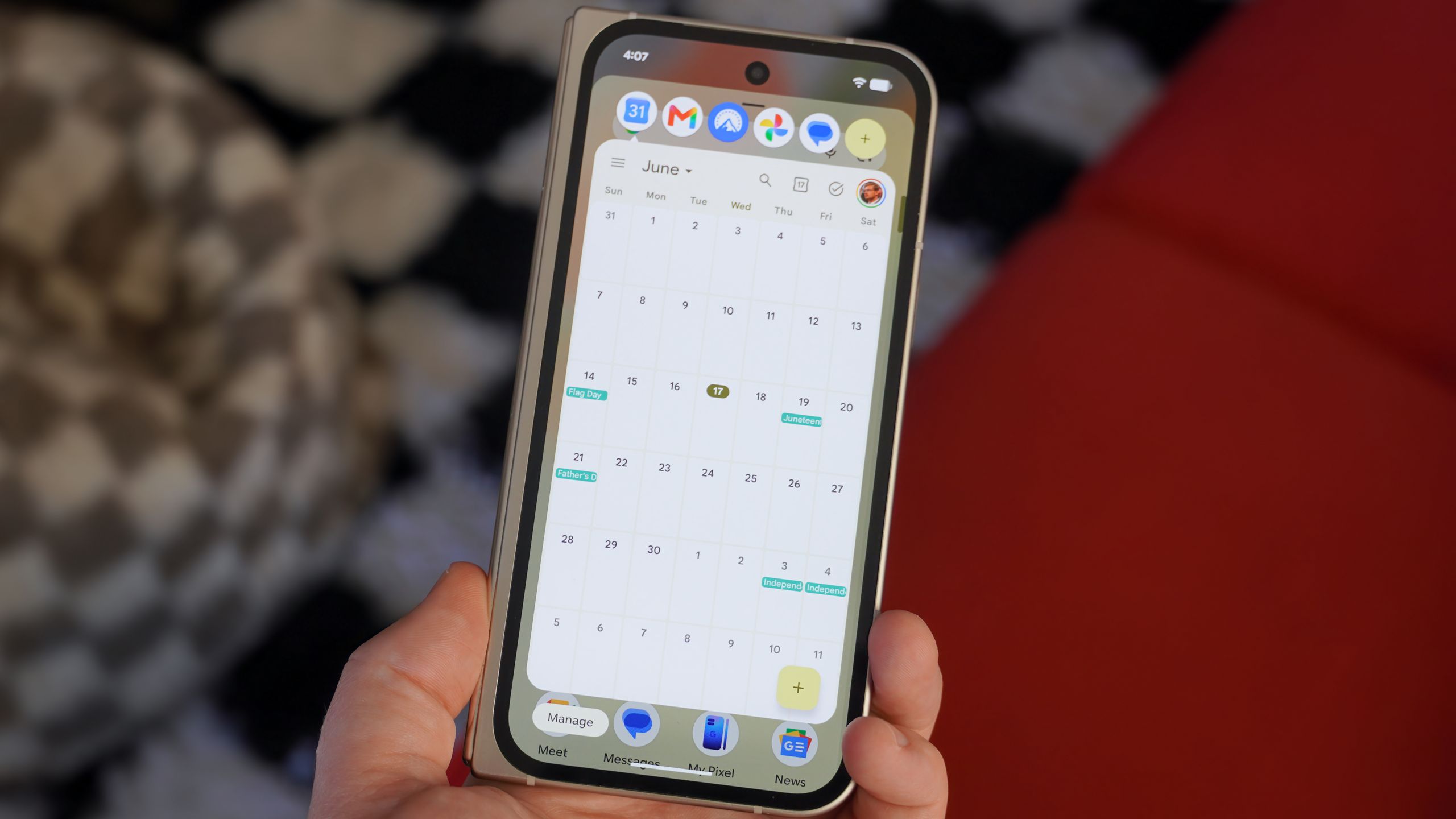
Car manufacturers move away from Android Auto as demand for data and control grows
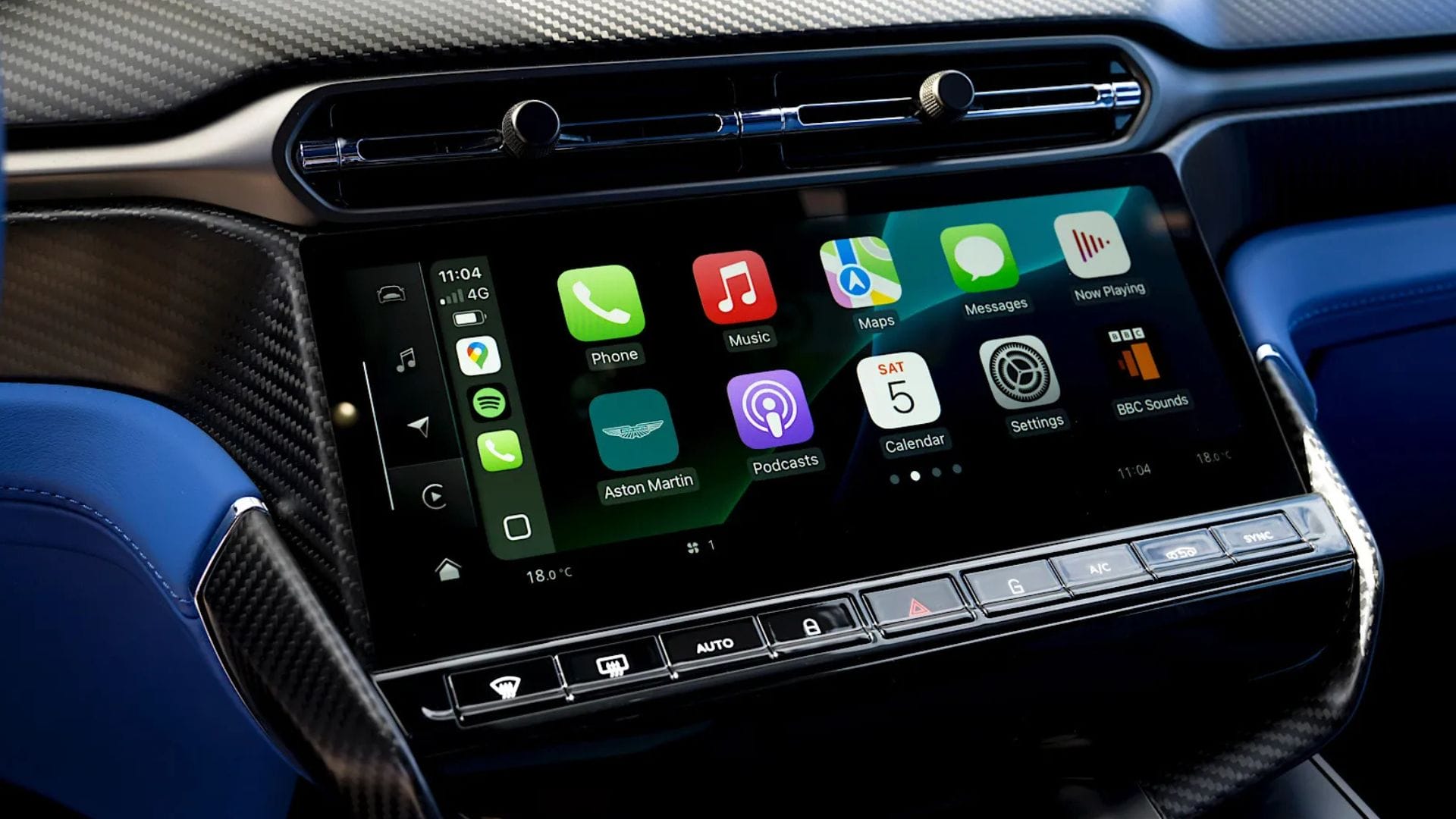
Car manufacturers move away from Android Auto as demand for data and control grows
Publish Date: 2026-06-20 11:23:00
Source Domain: www.techedt.com
For more than a decade, Android Auto and Apple CarPlay have been standard features in many new vehicles, giving drivers easy access to navigation, music, messaging and calls through their smartphones. The arrangement benefited both motorists and car manufacturers, allowing drivers to use familiar apps while reducing the need for carmakers to develop advanced infotainment software.
However, the relationship between vehicle manufacturers and smartphone integration platforms is beginning to change. Several major automotive companies are moving away from Android Auto and developing their own connected vehicle systems. Industry observers believe the shift is being driven by growing interest in vehicle data, artificial intelligence and potential subscription-based services.
Although most 2026 vehicles still support Android Auto and Apple CarPlay, some manufacturers are signalling a different direction for future models.
Android Auto’s rise in the automotive industry
Android Auto was introduced in 2015 as a simple projection platform that allowed drivers to connect their smartphones to a vehicle’s infotainment display. Through a USB connection, users could access a driving-friendly version of their favourite apps without relying on the vehicle’s built-in software.
Early adoption was not universal. Several manufacturers initially attempted to create their own infotainment ecosystems. Toyota and Ford explored proprietary systems, while BMW drew criticism for charging customers an annual fee of US$80 for Apple CarPlay access and did not introduce Android Auto support until 2020.
Consumer demand eventually pushed manufacturers to adopt more widely. Drivers preferred the convenience of accessing their contacts, music and navigation tools directly from their smartphones without additional charges. As a result, Android Auto became a common feature across many vehicle brands, often operating alongside…