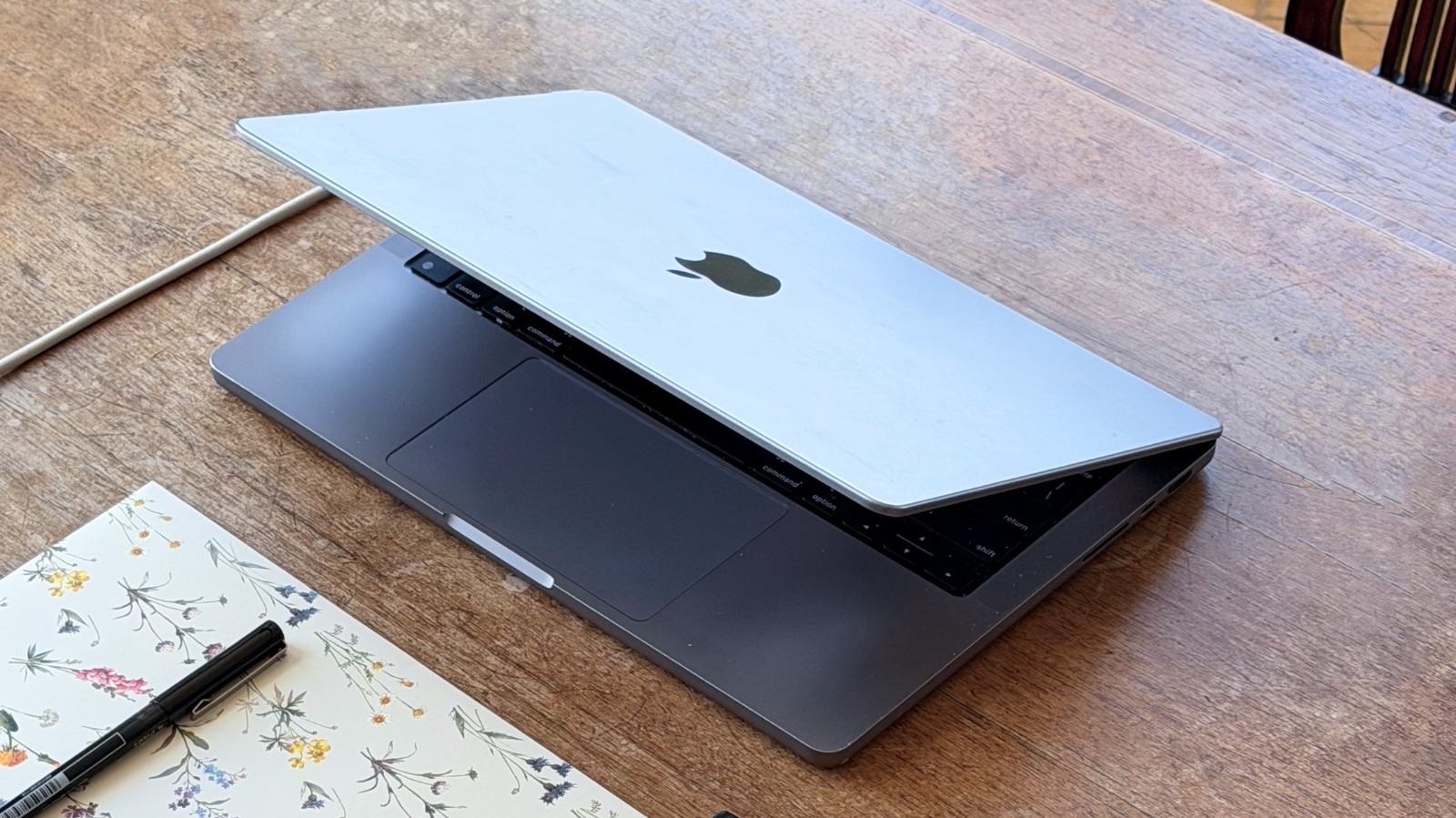
Apple’s first touchscreen MacBook Pro is ‘100% confirmed’, leaker says
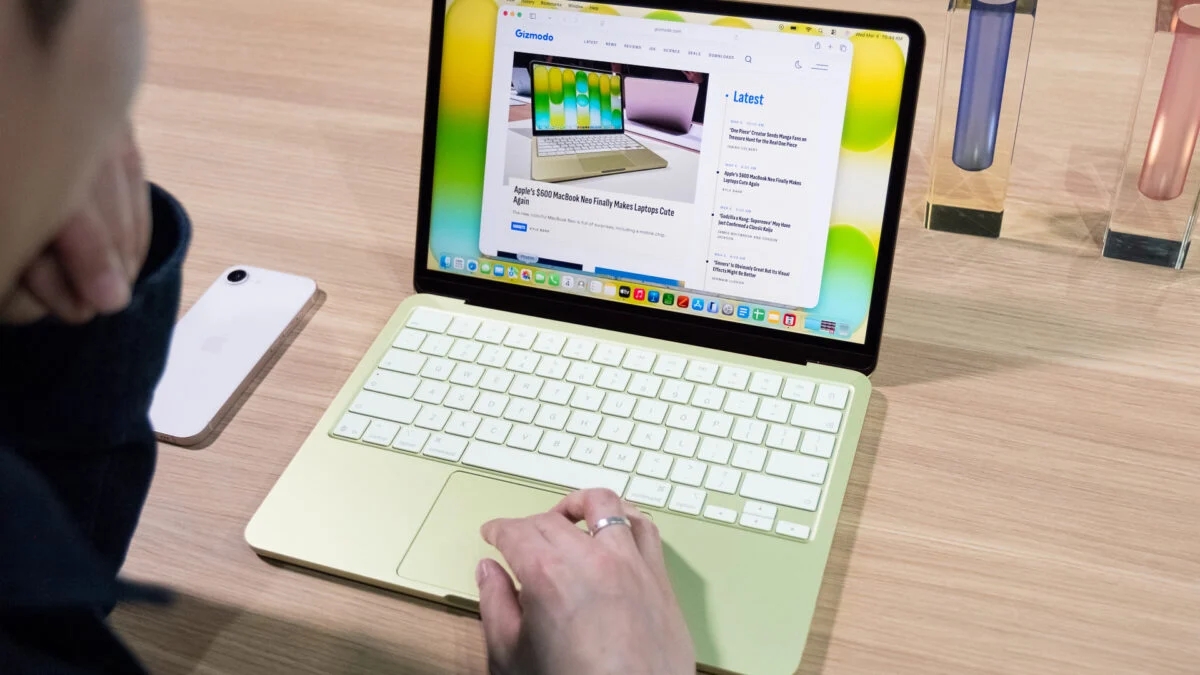
Apple’s first touchscreen MacBook Pro is ‘100% confirmed’, leaker says
Publish Date: 2026-06-13 19:20:00
Source Domain: www.tweaktown.com
Apple’s first touchscreen MacBook is now “100% confirmed,” according to Instant Digital, a Chinese leaker with a strong track record on Apple supply chain rumors. Posted on Weibo via MacRumors, this claim is the most definitive statement yet on a feature Apple has dismissed for over a decade.
Touchscreen rumors for the Mac started back in January 2023 when Bloomberg’s Mark Gurman said an OLED MacBook Pro with touch support would be Apple’s first touchscreen Mac, originally slated for 2025. That timeline slipped, but the rumors never really went away.
PopularPopular Now: Redditor buys RTX 2080 Ti Super engineering sample on eBay, has the same number of cores as an RTX Titan but half the VRAM
In September 2025, analyst Ming-Chi Kuo said the first touchscreen OLED MacBook Pro would enter mass production sometime in 2026. Gurman has since repeated that the next 14-inch and 16-inch MacBook Pro models will get touchscreens, with a launch window of late 2026 to early 2027.
Along with touch support, the next-generation high-end MacBook Pro is also rumored to bring M6 Pro and M6 Max chips, an OLED display, a Dynamic Island in place of the notch, and a thinner chassis. There’s also a decent chance Apple drops the Pro branding entirely in favor of something new, MacBook Ultra has been the name floating around most.
On the software side, macOS 27 Golden Gate points to a more touch-friendly Mac. Apple’s Sidecar feature, which lets an iPad act as a second display, now allows direct interaction with macOS interface elements by finger, previously limited to the Apple Pencil, the Touch Bar, and a handful of basic gestures. Gurman says the approach will be “touch-friendly, not touch-first,” giving users the choice between touch and trackpad input depending on what they’re doing.
VIEW GALLERY – 2 IMAGES
In 2010, Steve Jobs argued that touch surfaces don’t belong on vertical displays, citing arm fatigue from constantly reaching up to a screen. More than a decade later, in…