CISA is rethinking how it prioritizes risks and vulnerabilities for feds, private sector
CISA is rethinking how it prioritizes risks and vulnerabilities for feds, private sector
https://cyberscoop.com/cisa-cyber-risk-prioritization-vulnerability-directive/
Publish Date: 2026-06-09 12:27:00
Source Domain: cyberscoop.com
The Cybersecurity and Infrastructure Agency wants to fundamentally reevaluate how it prioritizes risks and vulnerabilities, both for privately-owned critical infrastructure and within the federal government, acting director Nick Andersen said Tuesday.
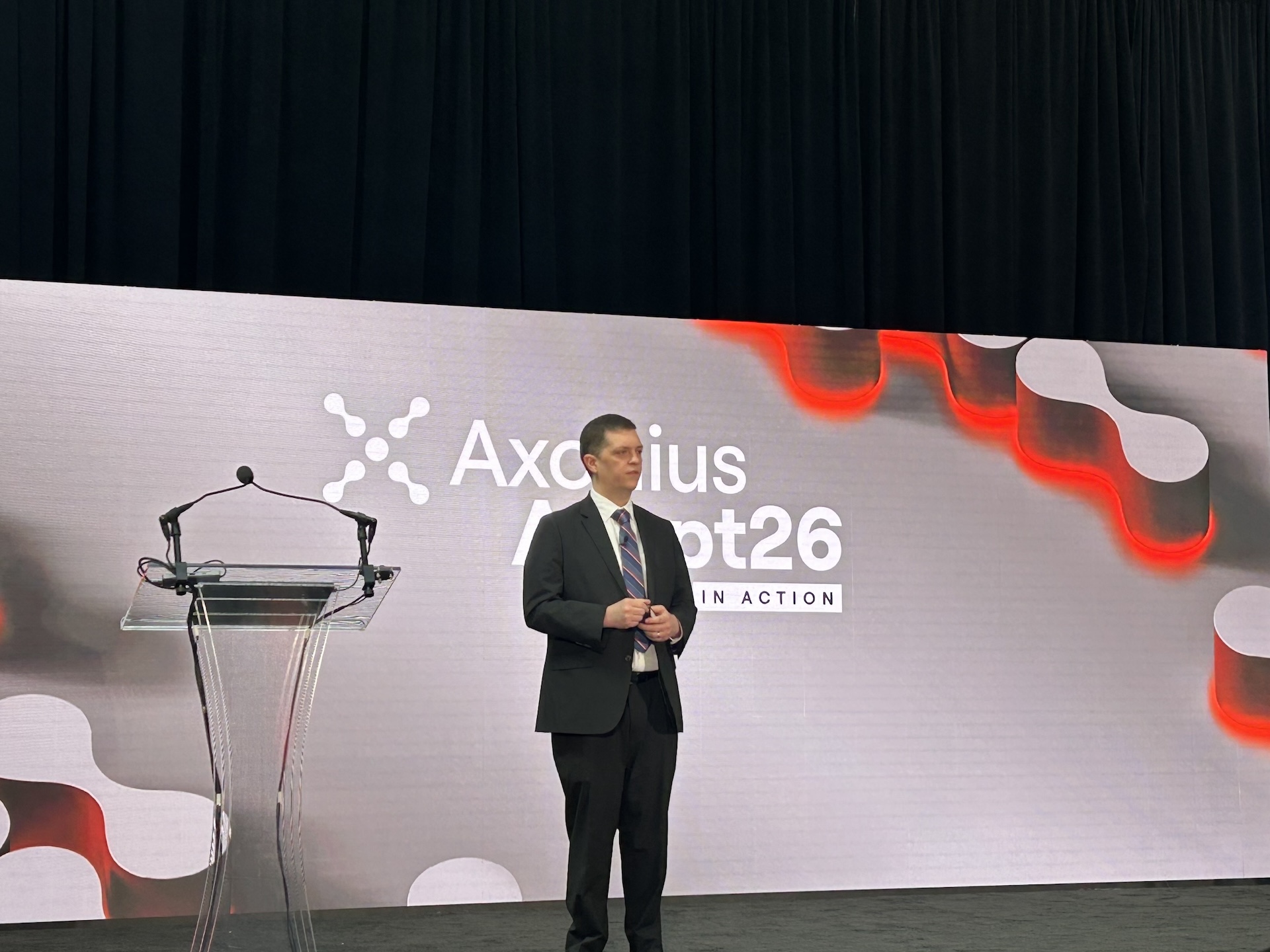
The plans include a binding operational directive for federal agencies set to be published Wednesday and getting more specific with critical infrastructure owners and operators about which assets they need to protect most and how, Andersen said while speaking at an event hosted by Axonius in Washington, D.C. and talking with reporters afterwards.
The binding operational directive looks to revise how federal agencies do vulnerability management, he said. “Overall, our approach to date has been ‘A patch is released, apply this patch as quickly as you can,’” he said.
“We’re really asking people to take more of a focus on risk associated with each vulnerability. Is it with an asset that is internet-exposed? Does it align to a KEV entry?” he said, referring to CISA’s list of known exploited vulnerabilities. “Is it automatable in its exploitation? Really, we need to be able to highlight that some patches just aren’t as important as others, and plugging the holes for some vulnerabilities is simply not as important as others.”
Andersen said he has made setting the right priorities the focus of his tenure.
“We have to be okay with saying there are some systems that are less important than others, there are some elements of critical infrastructure that are less important than others,” he said. “Those things are very easy for us to rationalize [for] physical crises, but we need to start wrapping our minds around how we’re going to do that during cyber crises.”
Andersen said artificial intelligence-enhanced threats have fueled the directive in part, based on “a recognition that we’re a different dynamic environment with the shorter timeline to weaponization and…