Amazon faces a privacy test over Ring’s facial recognition feature
Amazon faces a privacy test over Ring’s facial recognition feature
https://startupfortune.com/amazon-faces-a-privacy-test-over-rings-facial-recognition-feature/
Publish Date: 2026-06-02 14:28:00
Source Domain: startupfortune.com
Amazon’s Ring lawsuit turns a simple smart home promise into a harder AI question: who gets to consent when the camera is not theirs?
Amazon’s Ring is back in the privacy spotlight, this time over a facial recognition feature built for convenience but now being tested as a question of consent. A proposed class action filed in federal court in Seattle says Ring cameras at other people’s homes collected and stored a Virginia man’s facial data without his permission.
The plaintiff, Charles Sigwalt, says he was captured by Ring doorbell cameras while visiting friends and family. The lawsuit targets Familiar Faces, an optional Ring feature that uses artificial intelligence to recognize people and label future alerts with their names. Sigwalt is seeking class action status and at least $5 million in damages for the proposed class.
As Reuters reported, Amazon was sued on Monday, June 1, and declined to comment on the case. That matters because the complaint is not only about whether Ring owners clicked yes to a new feature. It is about everyone else who walks past a camera they do not own and may not even notice.
Ring’s argument will likely start with the feature design. Familiar Faces is optional. The customer chooses whether to use it. Ring’s support material says facial recognition profiles and related information are encrypted and stored in the cloud, unnamed profiles are automatically removed after 30 days without recognition, and profiles are deleted after 180 days of no recognition.
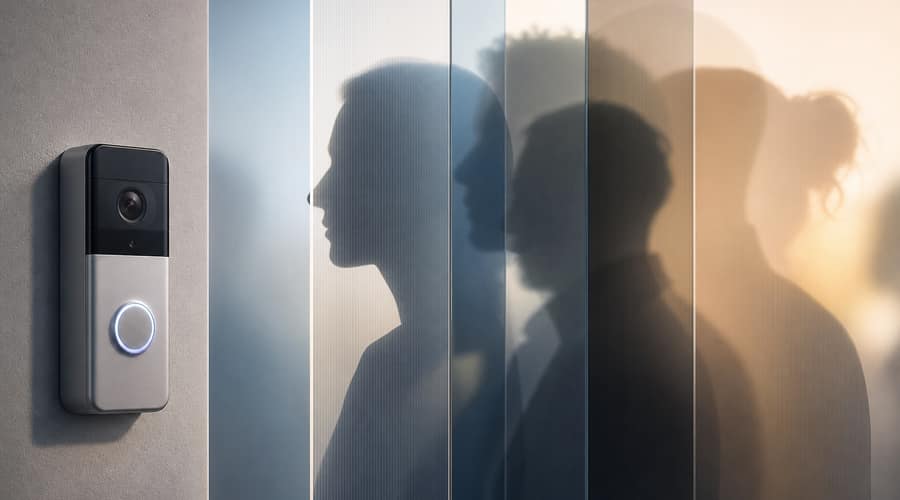
That may sound careful from a product standpoint. But the lawsuit points to a different gap. A homeowner can opt in for the camera, but a delivery worker, neighbor, relative, child, tenant, or passerby has not made the same choice. The AI system still has to decide whether a face is familiar, and that is where a consumer feature begins to look like biometric infrastructure.
This is the difficult part for every company pushing AI into everyday hardware. The user…