The White House app is a security and privacy mess
The White House app is a security and privacy mess
https://www.techlicious.com/blog/white-house-app-security-privacy-mess/
Publish Date: 2026-05-15 12:36:00
Source Domain: www.techlicious.com
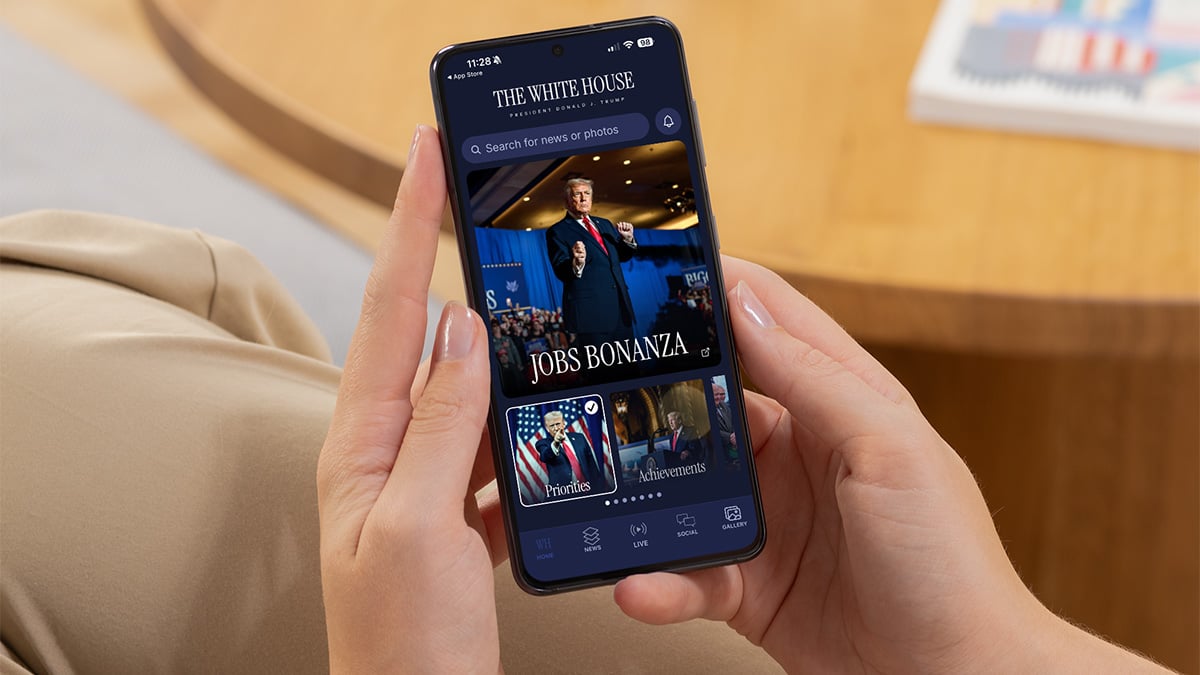
The Trump administration launched its official White House app on March 27 with the kind of buildup usually reserved for a product Apple has spent two years teasing. Cryptic social media posts. Pixelated images. Then: a free news app. The White House called it “the fastest, most powerful way to stay informed and engaged with the Trump Administration” and promised “unparalleled access.”
What a security researcher found when he pulled the app apart suggests the administration spent more time on the marketing than on the code.
Web developer Thereallo decompiled the Android version of the app and published a detailed technical breakdown of what’s running under the hood. The findings paint a picture of a government app built with the care and security standards of a rushed side project – one that injects code into third-party websites, relies on a random developer’s personal GitHub account, and has location-tracking infrastructure sitting fully compiled and ready to switch on.
The app silently rewrites every website you open through it
When you tap a link inside the White House app, it opens in a built-in browser. Every time a page loads in that browser, the app automatically injects a snippet of JavaScript and CSS – code that hides cookie consent banners, GDPR privacy notices, login walls, signup prompts, upsell messages, and paywalls. The app also forces pages to remain scrollable even when a consent dialog would normally lock the screen until you respond.
To be clear about what this means: every website you visit through the app has its consent dialogs silently removed before you ever see the page. You’re never asked whether you agree to that site’s data practices, because the app has already made that choice for you by hiding the question entirely.
This isn’t a minor UX convenience feature. Cookie consent dialogs exist because privacy laws, including U.S. state laws, require websites to give you a choice about how your data is handled….