80 Years to an Overnight Success: The Real History of Artificial Intelligence

80 Years to an Overnight Success: The Real History of Artificial Intelligence
Publish Date: 2026-04-04 18:05:00
Source Domain: futuristspeaker.com
By Futurist Thomas Frey
From a shirtless philosopher in 1943 to ChatGPT — the people, the breakthroughs, the winters, and the single idea that refused to die
The Man Without a Shirt
In January 2026, Marc Andreessen sat down for an 81-minute podcast conversation on the a16z show and did something most technology commentary doesn’t bother to do: he started at the beginning. Not the beginning of this AI cycle, or large language models, or even deep learning. He started in 1943 — with a paper, a seaside villa, and a neurophysiologist who, in archived footage from 1946, can be seen discussing the future of computing without a shirt on, apparently unbothered by the formality the topic deserved.
That man was Warren McCulloch. His observation — that computers could one day be built on the model of the human brain, using neural networks rather than pure mathematical logic — was the road not taken for most of the next eight decades. Andreessen’s point was simple and important: what feels like an overnight revolution is actually the payoff on an 80-year bet made by a small group of people who spent most of that time being ignored, defunded, and told they were wrong. Understanding that history explains why what’s happening now is different from everything that came before — and why it is probably not going to stop.
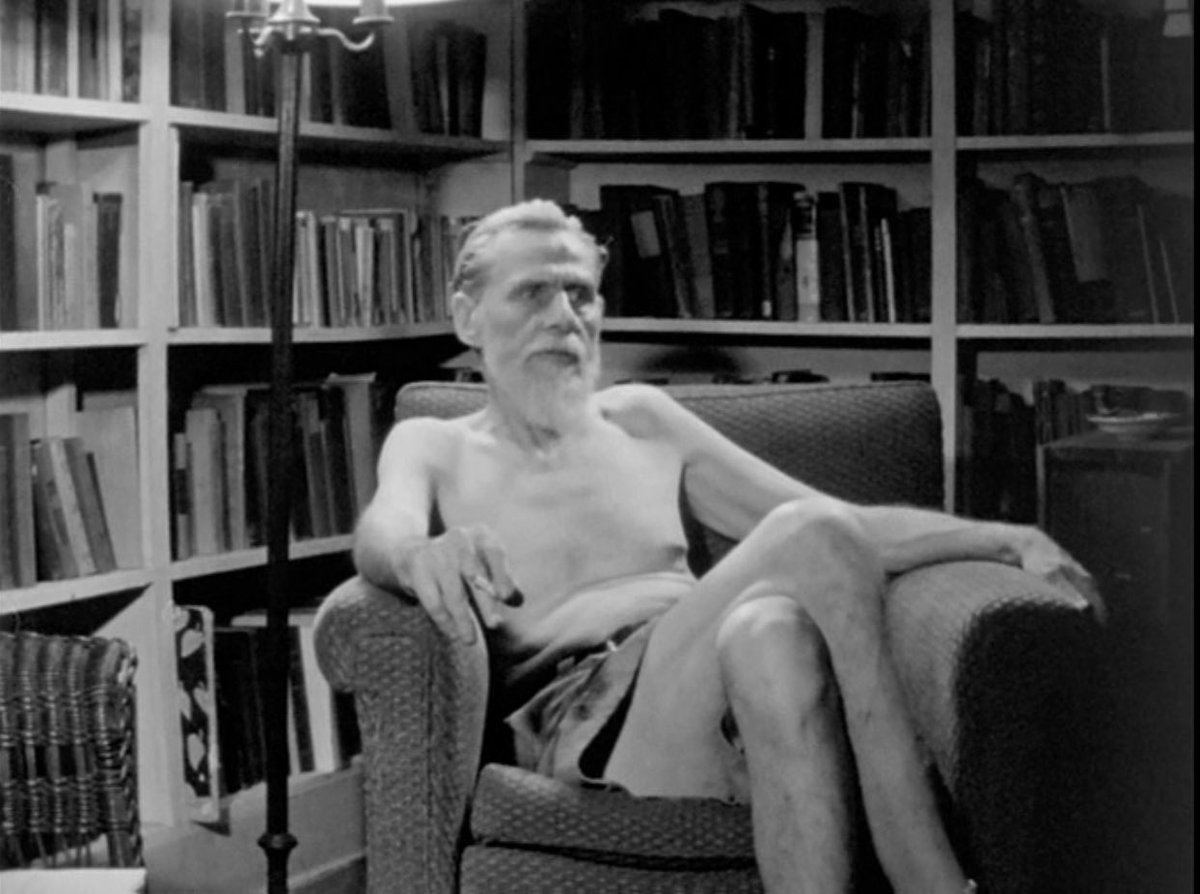
Warren McCulloch, the shirtless philosopher who’s thinking on the first artificial neuron proved a radical idea: intelligence could be built, not programmed—setting a path that would take decades to fully unfold.
1943: The Paper That Started Everything
Warren McCulloch — a neurophysiologist — and Walter Pitts — a mathematical prodigy who had run away from home as a teenager to attend university lectures and was, at the time, technically homeless — published “A Logical Calculus of the Ideas Immanent in Nervous Activity” at the University of Chicago. The paper proposed the first mathematical model of a neural network: an…