Histotripsy for liver cancer: positioning a new technology in multidisciplinary cancer care
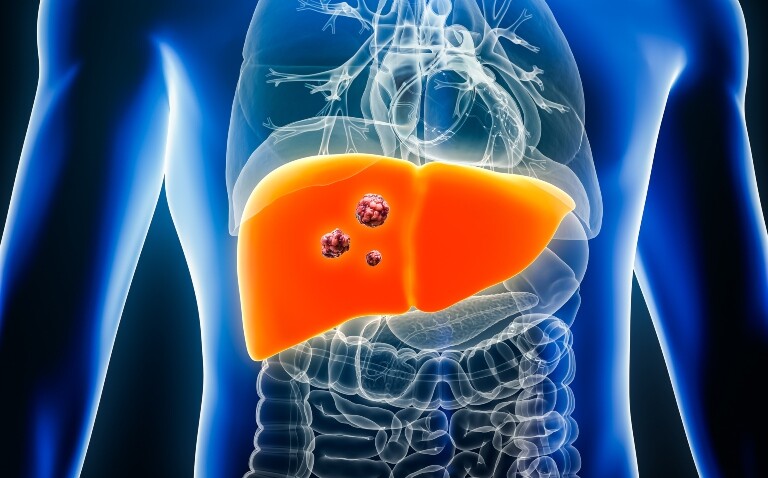
Histotripsy for liver cancer: positioning a new technology in multidisciplinary cancer care
Publish Date: 2026-02-10 06:13:00
Source Domain: hospitalhealthcare.com
Dr Teik Choon See speaks to Gerry Hughes about the trajectory of histotripsy as a non-invasive option to treat liver cancer and how it works in practice, how it fits into the current treatment landscape and the impact this new technology is having on patient care.
In the summer of 2025, histotripsy was fast-tracked for use in the NHS as a novel, non-invasive approach to treating liver cancer. Months later, Addenbrooke’s Hospital, part of Cambridge University Hospitals NHS Foundation Trust, became the first centre in Europe to treat NHS patients with the technology outside a clinical trial under the direction of consultant interventional radiologist Dr Teik Choon See.
For clinicians watching closely, the milestone represents more than the introduction of a new device. It signals a shift in how non-invasive, image-guided therapies may be integrated into established liver cancer pathways.
Histotripsy was introduced into the NHS through the UK’s Innovative Devices Access Pathway (IDAP) pilot – an initiative designed to accelerate access to transformative medical technologies that address unmet clinical need.
Under the pilot, an Unmet Clinical Need Authorisation (UCNA) enabled the temporary use of non-UK conformity assessed or non-CE marked devices in the interest of public health. One of eight innovative medical devices included in the IDAP pilot, histotripsy was granted a UCNA.
Histotripsy in practice for liver cancer
‘Histotripsy represents a major and exciting step forward in cancer treatment,’ says Dr See, with the innovation lying in its precision, offering a safer option for carefully selected patients. At a conceptual level, histotripsy differs from existing interventional techniques due to it being ‘completely non-invasive, non-radiation and non-thermal’, he adds.
Relying on a mechanical process within tumour tissue, ‘it creates microbubbles from the air that already exists in the body, and those bubbles form…

.jpg "EBU unveils nominees for Technology and Innovation Awards 2026")
