3 Questions: Neural transparency and the future of AI design | MIT News
3 Questions: Neural transparency and the future of AI design | MIT News
https://news.mit.edu/2026/3-questions-neural-transparency-and-future-of-ai-design-0715
Publish Date: 2026-07-15 16:25:00
Source Domain: news.mit.edu
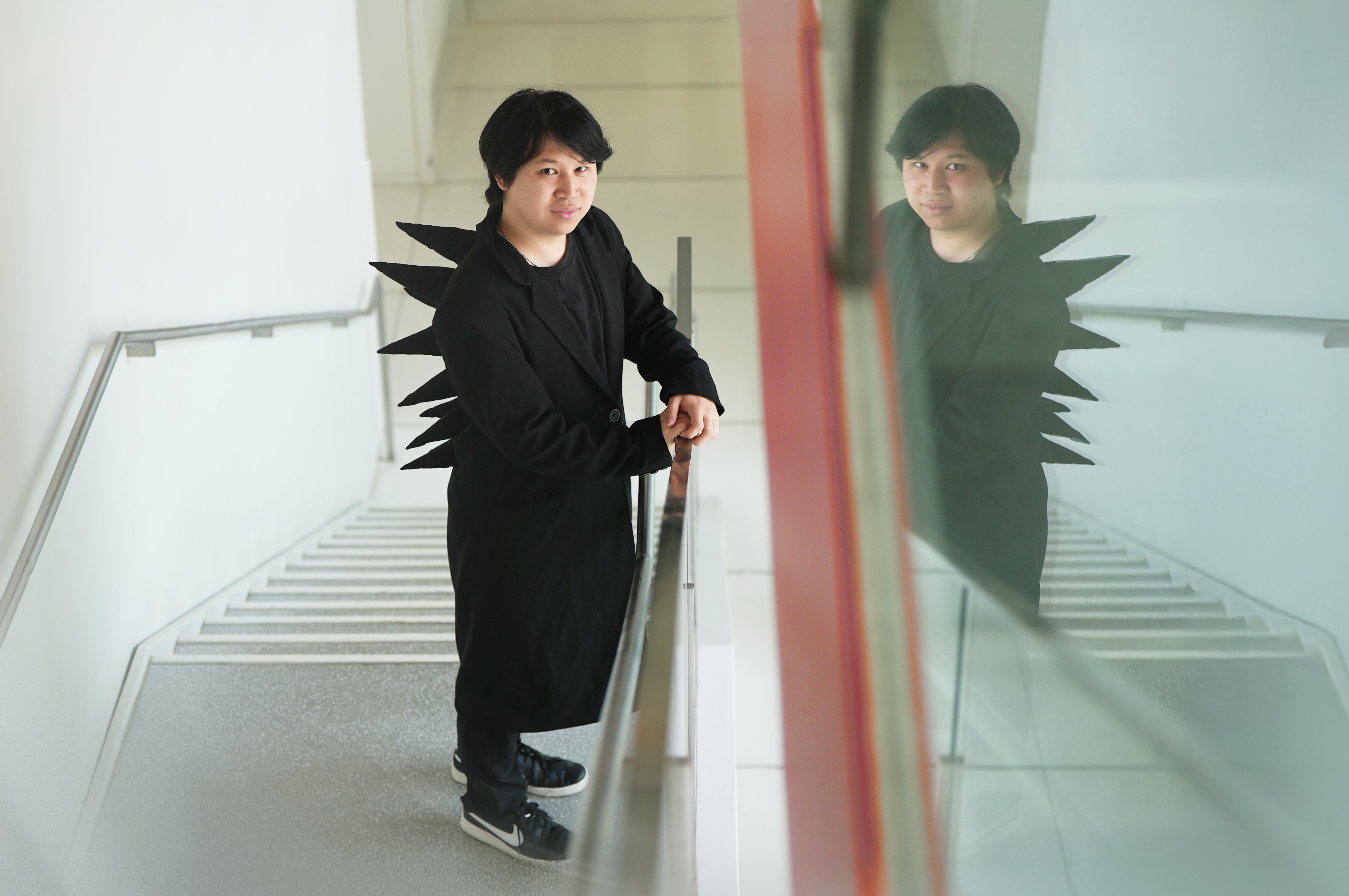
Millions of people are now designing their own personalized artificial intelligence companions, yet most have little idea how those creations will actually behave. In a new paper, MIT Media Lab Assistant Professor Pat Pataranutaporn and his graduate student researchers Anthony Baez and Sheer Karny introduce “neural transparency,” a tool that lets everyday users glimpse inside an AI’s neural network before their chatbot ever says a word. The work is being presented this week at the ACM Conference on Intelligent User Interfaces.
In this interview, Pataranutaporn, who is the Asahi Broadcasting Corporation CD Professor of Media Arts and Sciences, explains what they found, why the stakes are higher than most users realize, and what genuinely transparent AI might look like in the future.
Q: Your paper introduces “neural transparency,” a way to let everyday users peek inside an AI’s neural networks before their chatbot ever says a word. Can you describe how that actually works, and why you focused on the design moment, rather than catching problems after a chatbot is already out in the wild?
A: Millions of people are now creating personalized AI chatbots and agents powered by large language models, turning them into collaborators, tutors, coaches, creative partners, and companions through simple text prompts. Yet most people have very little idea how those prompts will shape the AI’s behavior until they begin interacting with it. We wanted to change that.
“Neural transparency” means giving people something like a brain scan for AI. Not because AI has a human brain, but because its neural network contains internal patterns that can hint at how it may behave before it speaks. In this work, my students Anthony Baez, Sheer Karny, and I combined insights from the fields of human-AI interaction and mechanistic interpretability to make those hidden patterns accessible to everyday users.
The basic idea is simple. First, we choose behaviors we care about, such…


/https://tf-cmsv2-smithsonianmag-media.s3.amazonaws.com/filer_public/e4/36/e4361ac6-30ab-444f-9288-ac252ac60ea0/among_friends__the_lindenberg_player_piano_postcard_-_dpla_-f34652e74335cf4124fc41e169539f52.jpg "A.I. Music Is Already Here. To Protect Human Artists, the Record Industry Proposes New Labels, Like Those for Explicit Lyrics")