Cybersecurity in Retail: Threats, Risks, and Defenses
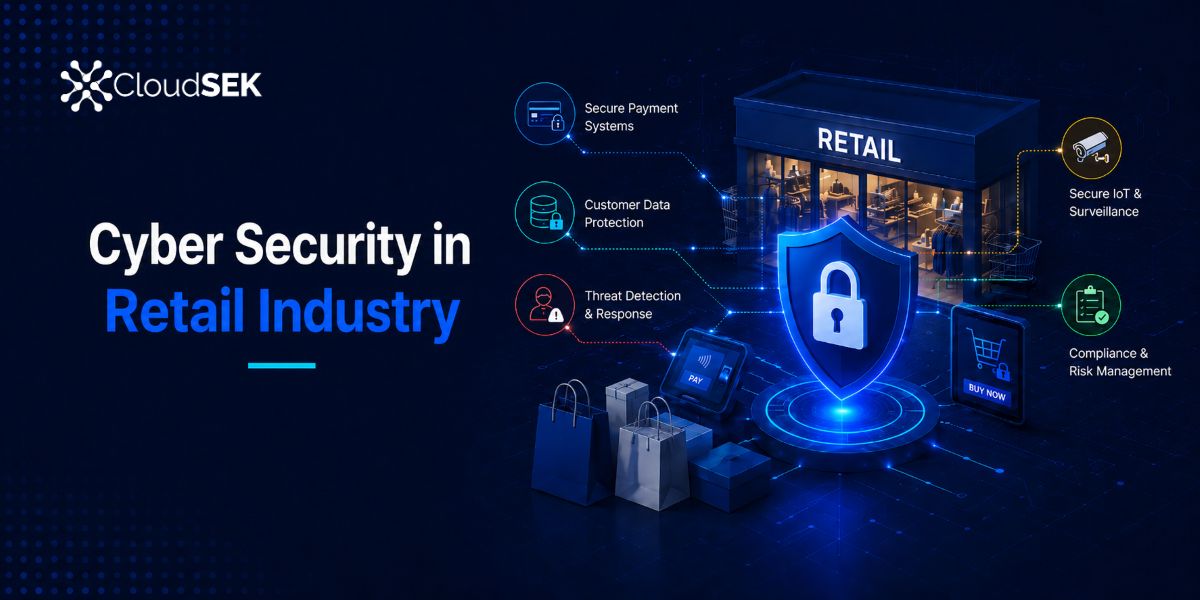
Cybersecurity in Retail: Threats, Risks, and Defenses
https://www.cloudsek.com/knowledge-base/cybersecurity-in-retail
Publish Date: 2026-07-10 15:08:00
Source Domain: www.cloudsek.com
Cybersecurity in retail is the practice of protecting payment systems, customer data, and the online and in-store channels that retailers depend on from cyberattacks. Few sectors concentrate as much cashable data, from payment cards to customer accounts, across as many systems as retail does.
The stakes are rising. Even as global breach costs fell in 2025, retail was among the sectors where they climbed, reaching $3.54 million per breach, according to IBM’s 2025 Cost of a Data Breach Report.
The threat has shifted too, from quiet card theft toward ransomware that shuts down trading entirely, as the 2025 attacks on Marks & Spencer and other major retailers showed. That’s why it’s essential to know why retailers are targeted, where the omnichannel attack surface is exposed, the threats and breaches that define the risk, the standards that govern retail data, and how retailers can defend.
What Draws Cybercriminals to the Retail Industry
Retailers are targeted because they sit on exactly what criminals want: payment-card data and mass customer records, tied to money that moves every second. Verizon found that 100 percent of retail breaches in 2025 were financially motivated, a clarity of motive few sectors match. High transaction volumes turn each compromised system into a steady source of cards and credentials. Stolen cards and logins move quickly through dark web markets, where buyers turn them into fraud within hours.
The retail attack surface keeps expanding as commerce moves online. Stores, e-commerce sites, mobile apps, loyalty programs, and hundreds of third-party scripts each add exposure, and seasonal peaks like Black Friday concentrate both sales and attacks. Because retailers cannot afford downtime during peak buying periods, they face heavy pressure to pay ransoms quickly. The same urgency makes peak periods the favorite window for attackers.
Brand recognition and thin defenses complete the picture. Household-name retailers draw attackers and the media…