Cybersecurity For Connected Water Systems In MENA
Cybersecurity For Connected Water Systems In MENA
https://water.fanack.com/cybersecurity-connected-water-systems-mena/
Publish Date: 2026-07-01 04:00:00
Source Domain: water.fanack.com
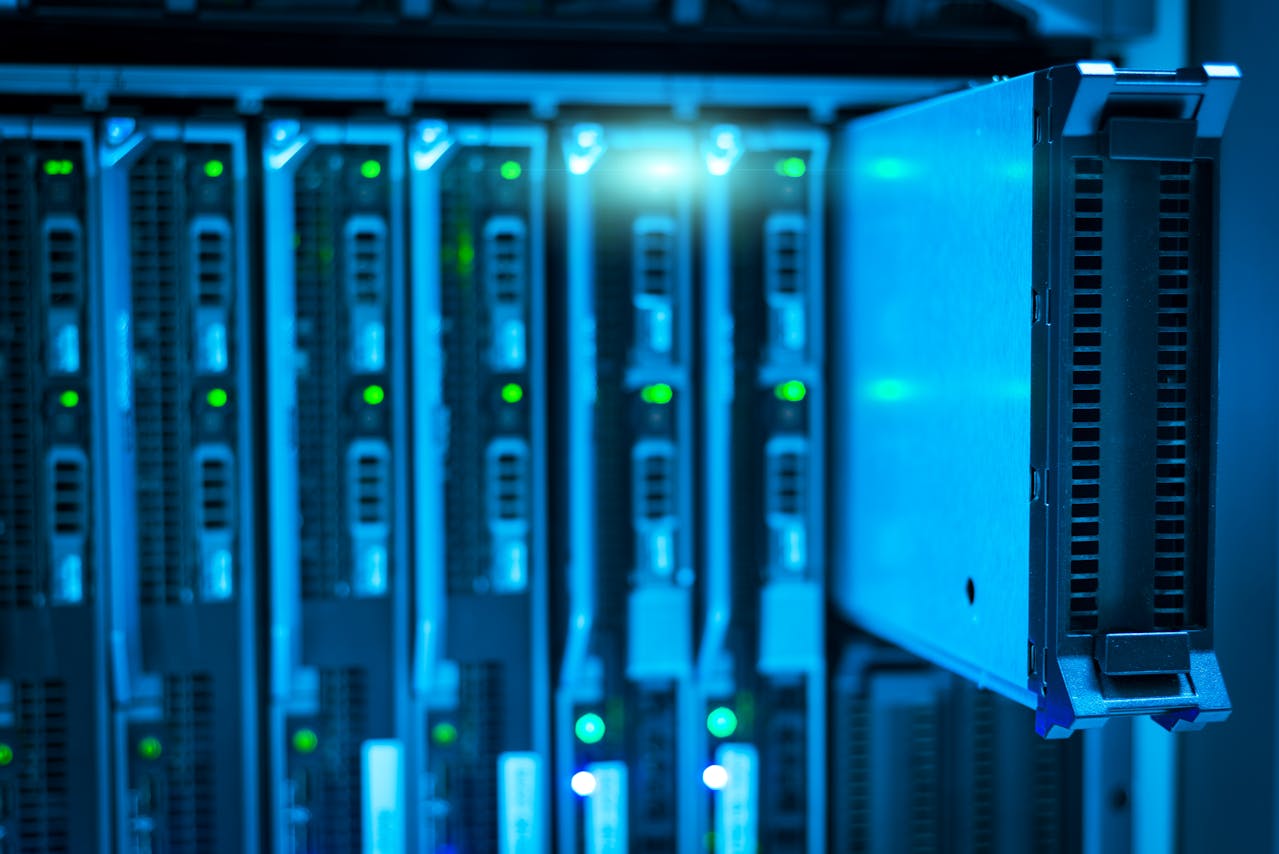
Close-up of Computer Hardware (Photo by Panumas Nikhomkhai via Pexels)
Author: Fanack Water Editorial Team
Digitalization is transforming how water utilities in the Middle East and North Africa plan, treat, and deliver water, but it is also widening the cyber-attack surface of already fragile systems. As utilities deploy Supervisory Control and Data Acquisition (SCADA) systems, Internet of Things (IoT) devices, and digital twins, cybersecurity becomes a core part of water security, not an optional add‑on.
Why Connected Water Systems Are Growing
MENA utilities are investing in advanced desalination, large‑scale transmission projects, and smart distribution networks to cope with chronic water scarcity and rapid urbanization. Digital tools help operators monitor pressure, flows, and water quality in real time and optimize energy use in power‑hungry desalination and pumping facilities.
SCADA and other operational technology (OT) platforms now control valves, pumps, and chemical dosing, replacing manual operations across treatment plants and distribution networks. At the same time, utilities are adding IoT sensors and customer‑facing digital services, creating dense webs of connectivity between physical assets, corporate IT systems, and cloud platforms.
Digital twins take this one step further by mirroring entire water systems in software, enabling scenario analysis, leak detection, and predictive maintenance. These virtual models can improve resilience and efficiency, but they also depend on continuous data flows and remote access, which can be exploited if not properly secured.
New Cyber Risks In A Digital Utility
Once‑isolated control systems are now exposed to external networks, making them attractive targets for both criminal groups and state‑aligned actors. Case studies from water utilities worldwide show that attackers can attempt to manipulate chemical dosing, alter set points, or shut down pumps, with direct consequences for public health and…

