Dual-Use Vision Technologies: Transforming Modern Defense Systems
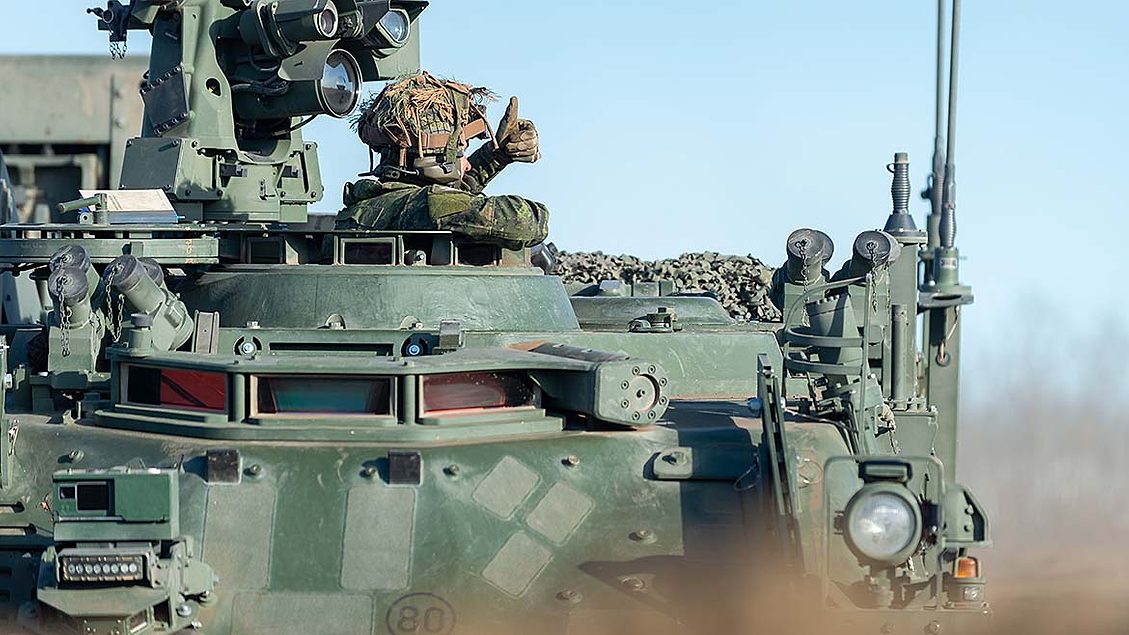
Dual-Use Vision Technologies: Transforming Modern Defense Systems
Publish Date: 2026-06-30 14:22:00
Source Domain: www.qualitymag.com
The defense sector is undergoing a structural shift. For decades, military capability development relied on highly customized systems, proprietary technologies, and long procurement cycles. Today, that model is giving way to a new paradigm defined by speed, modularity, and adaptability. At the center of this transition is the rise of dual-use vision technologies: commercially developed imaging, sensing, and processing solutions originally designed for industrial uses are now playing a critical role in defense applications.
This convergence between commercial innovation and defense needs is not incidental. It is driven by a fundamental alignment between what modern military operations require and what the vision technology ecosystem has already spent decades perfecting for industrial automation and quality control: real-time data capture, low-latency transport, scalable processing, and interoperable system design.
The Shift Toward Dual-Use in Defense
Modern defense organizations face a dynamic and rapidly evolving threat environment. In response, they are increasingly prioritizing technologies that can be deployed quickly, upgraded continuously, and integrated across multi-domain operations. Traditional defense development cycles, often spanning five to ten years, are no longer compatible with the pace of change in both threats and technology.
Dual-use technologies address this gap directly. Commercial off-the-shelf (COTS) vision components, including cameras, sensors, networking interfaces, and processing platforms, are now mature, cost-effective, and widely available. Originally developed for industries such as manufacturing and robotics, these technologies bring proven performance and reliability into defense environments.
Equally important, dual-use systems allow for modular design approaches. Instead of building monolithic platforms, system integrators can assemble solutions from interoperable components, enabling faster prototyping,…