Privacy-First Meeting Transcription: How Camera-Free Titanium AI Glasses Support Modern Workflows
Privacy-First Meeting Transcription: How Camera-Free Titanium AI Glasses Support Modern Workflows
Publish Date: 2026-06-28 16:39:00
Source Domain: aijourn.com
The first time I used a meeting transcription bot, I spent the next hour regretting it.
Not because the transcript was bad. It was fine. Accurate, even. The problem was the room. Three people on my team became noticeably more careful the moment they realized the meeting was being recorded. One senior engineer angled his laptop away from the table and barely spoke for the rest of the hour. The conversation became polite, cautious, and much less useful.
That was two years ago. Since then, I have tried several transcription tools, and the pattern is familiar: the more visible the recording setup feels, the more people adjust their behavior around it. Nobody says, “I do not trust this tool.” They simply become more guarded.
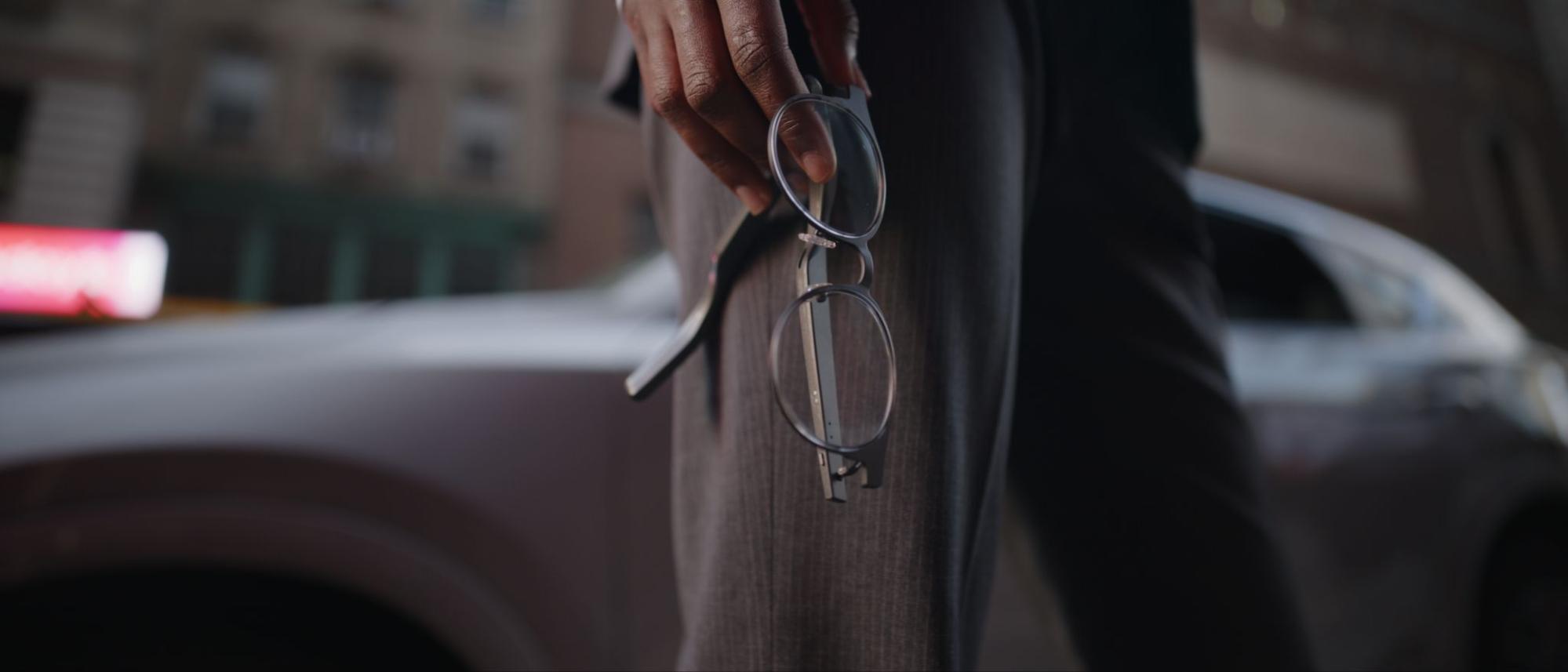
That is why the Dymesty AI Glasses — Jobs Circle caught my attention. Here was a pair of titanium AI glasses with privacy-first meeting transcription built around a camera-free design. Instead of trying to turn smart glasses into a camera, display, and entertainment device all at once, Dymesty focuses on a more practical workplace question: how can people capture useful meeting notes, translations, and summaries without making everyone feel watched?
In practical workplace scenarios, including work conversations, client calls, and multilingual discussions, the biggest takeaway is not just transcription quality. It is meeting comfort. A camera-free pair of AI glasses changes the social feeling of the room.
Why the Camera Is the Privacy Problem
Most people assume meeting privacy is mainly about where the data goes. That matters, of course. Teams should understand how audio is captured, transmitted, processed, stored, and managed.
But in daily meetings, privacy also has a social side.
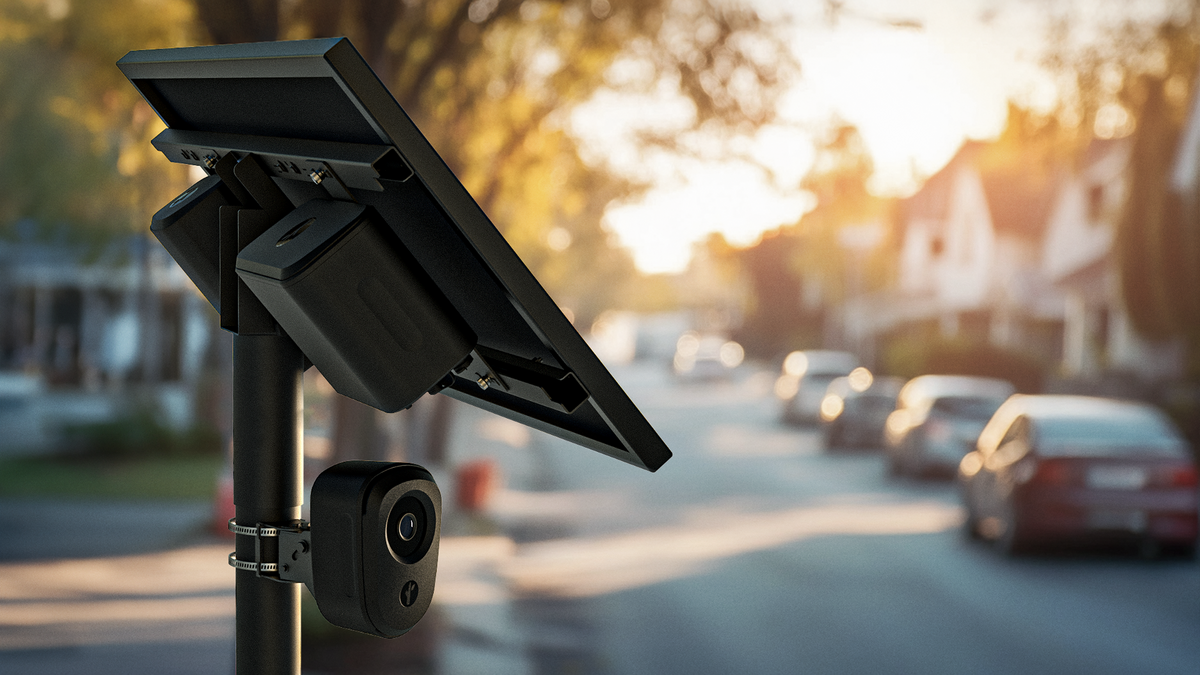
A visible camera changes how people behave. Even when the camera is not actively recording, people may wonder whether they are being watched, captured, or analyzed. In workplace conversations where honesty matters, that feeling can reduce open…