Türkiye Lays Out a National Quantum Roadmap, Naming 85 Priority Technologies Across Computing, Sensing and Communication
Publish Date: 2026-06-27 04:19:00
Source Domain: thequantuminsider.com
Insider Brief
- Türkiye released a national quantum roadmap that identifies 85 target technologies across quantum computing, sensing and communication, dividing them into 34 near-term and 51 long-term priorities.
- The roadmap was developed through the SSB’s OTAĞ process, which brought together about 305 experts from 123 institutions and used structured scoring methods to rank technologies by priority and maturity horizon.
- The report emphasizes near-term strengths in quantum security, cryptography, sensing and secure communications while calling for domestic supply chains, expanded talent programs and stronger links among universities, government agencies and defense firms.
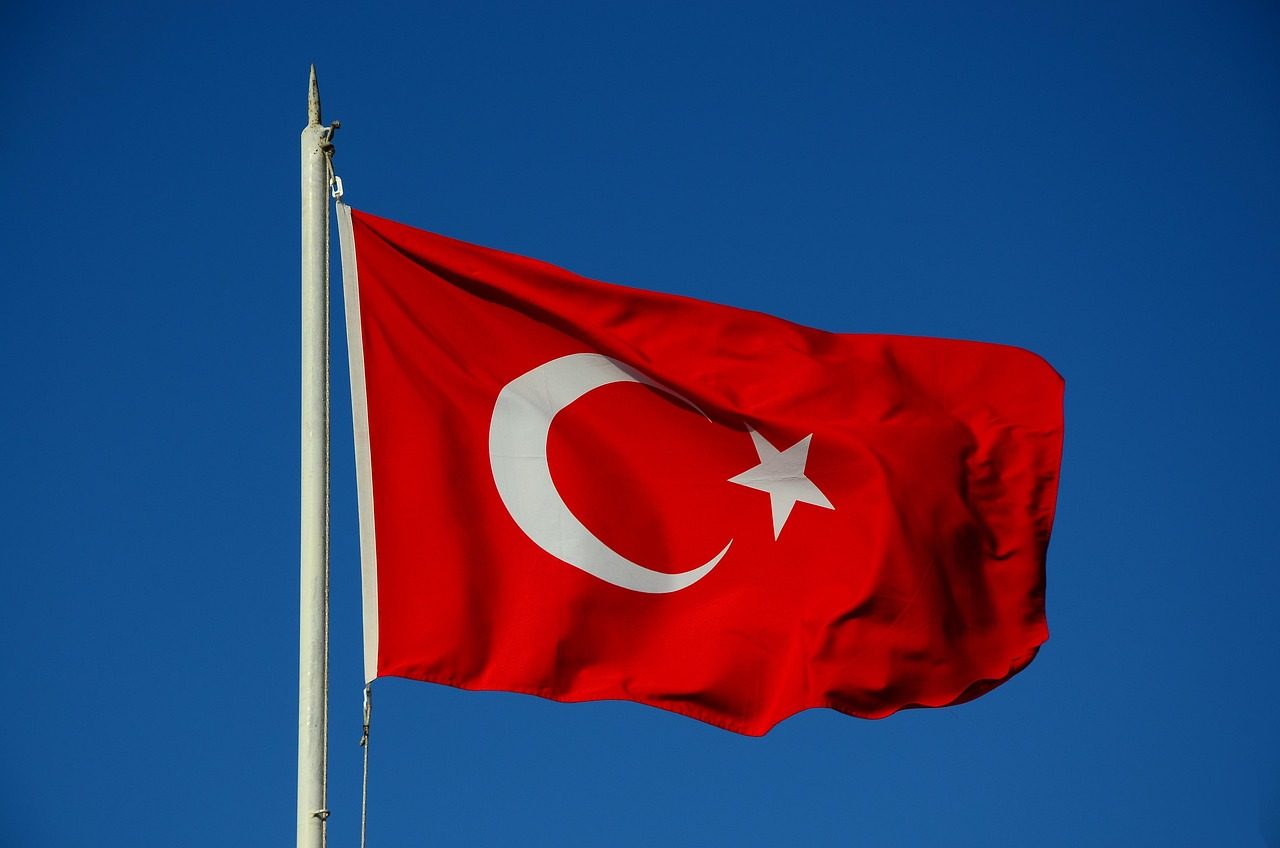
- Image: Photo by Sevgi001461 on Pixabay
Türkiye has set out a detailed plan for entering the global quantum race, publishing a national roadmap that names 85 specific technologies the country intends to pursue across the three pillars of the field — computing, sensing and communication. The document, the Quantum Technologies OTAĞ Result Report, was produced by the Presidency of Defense Industries (Savunma Sanayii Başkanlığı, or SSB) and released in June 2026.
The report is the output of an initiative known as OTAĞ — an acronym for Odak Teknoloji Ağı, or Focus Technology Network — the SSB’s recurring method for building technology roadmaps in priority fields. Coordinated by the agency’s R&D and Technology Management Department, the quantum edition was launched on December 25, 2024, and formally closed exactly one year later, on December 25, 2025.
According to the report, the process brought together approximately 305 experts from 123 separate institutions, including ministries, TÜBİTAK (Türkiye’s national science agency), universities, research institutes and private companies. The launch event alone drew around 300 attendees from 14 public institutions, 64 universities and research centers, and 20 firms.