Lenovo built an AI-ready Mac mini rival for $440… and it’s only available in China
Lenovo built an AI-ready Mac mini rival for $440… and it’s only available in China
Publish Date: 2026-06-18 20:30:00
Source Domain: www.yankodesign.com
For the past two years, on-device AI has been a hardware arms race, a contest to see whose NPU could post the most TOPS before the next product cycle. Qualcomm claimed the Snapdragon X Elite was the laptop chip AI deserved. Intel answered with Core Ultra and its own NPU tier. Apple quietly kept winning by making its Neural Engine feel native to everything the operating system actually does. Lenovo’s AI Host Mini, a $440 mini PC launching in China on July 1, approaches the whole argument from the opposite direction, starting with 8,000 software tools and asking how little hardware you need to run them well. At 45 TOPS and 8GB of RAM, the answer it proposes is going to make a lot of spec-chasers uncomfortable.
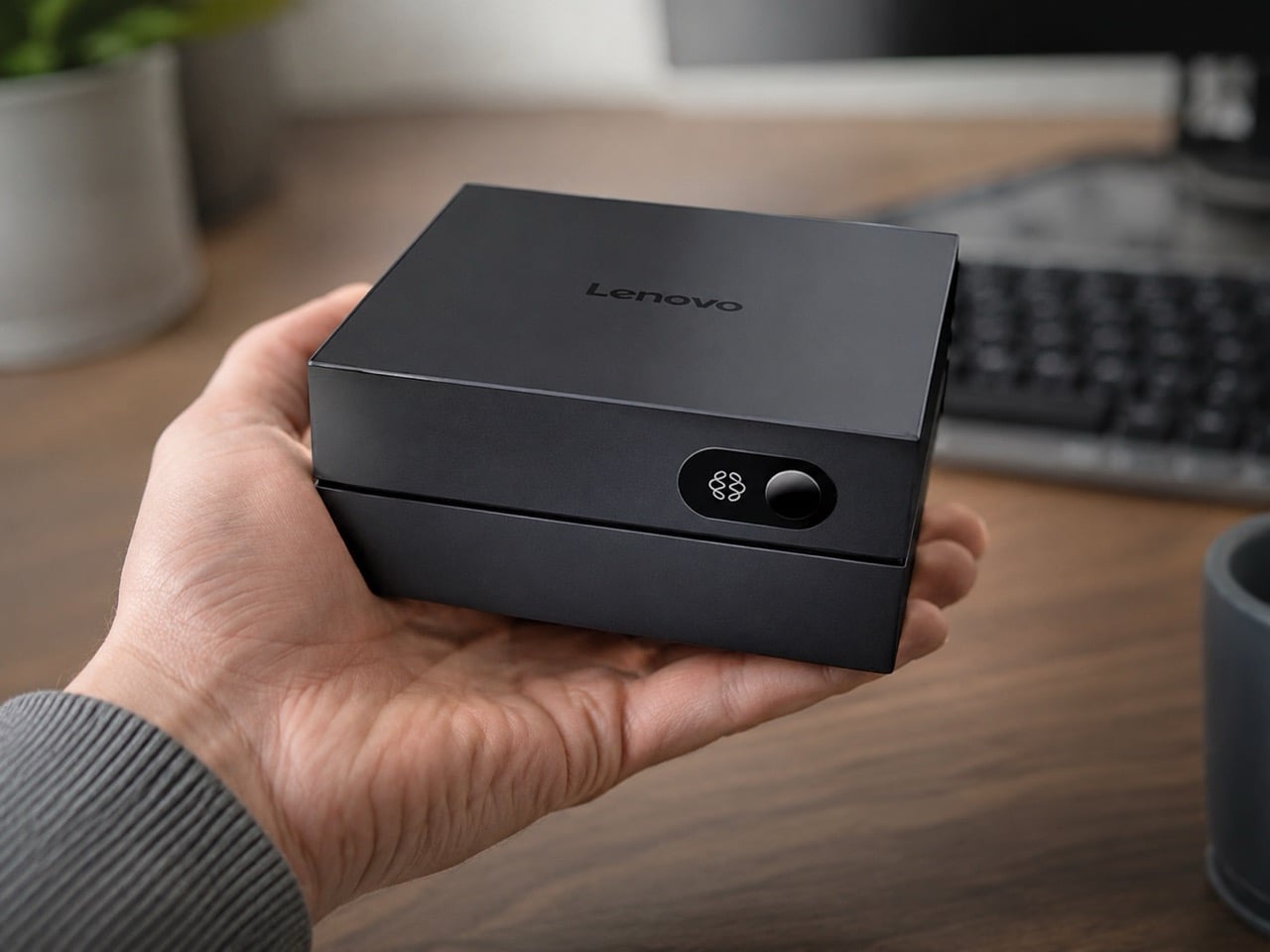
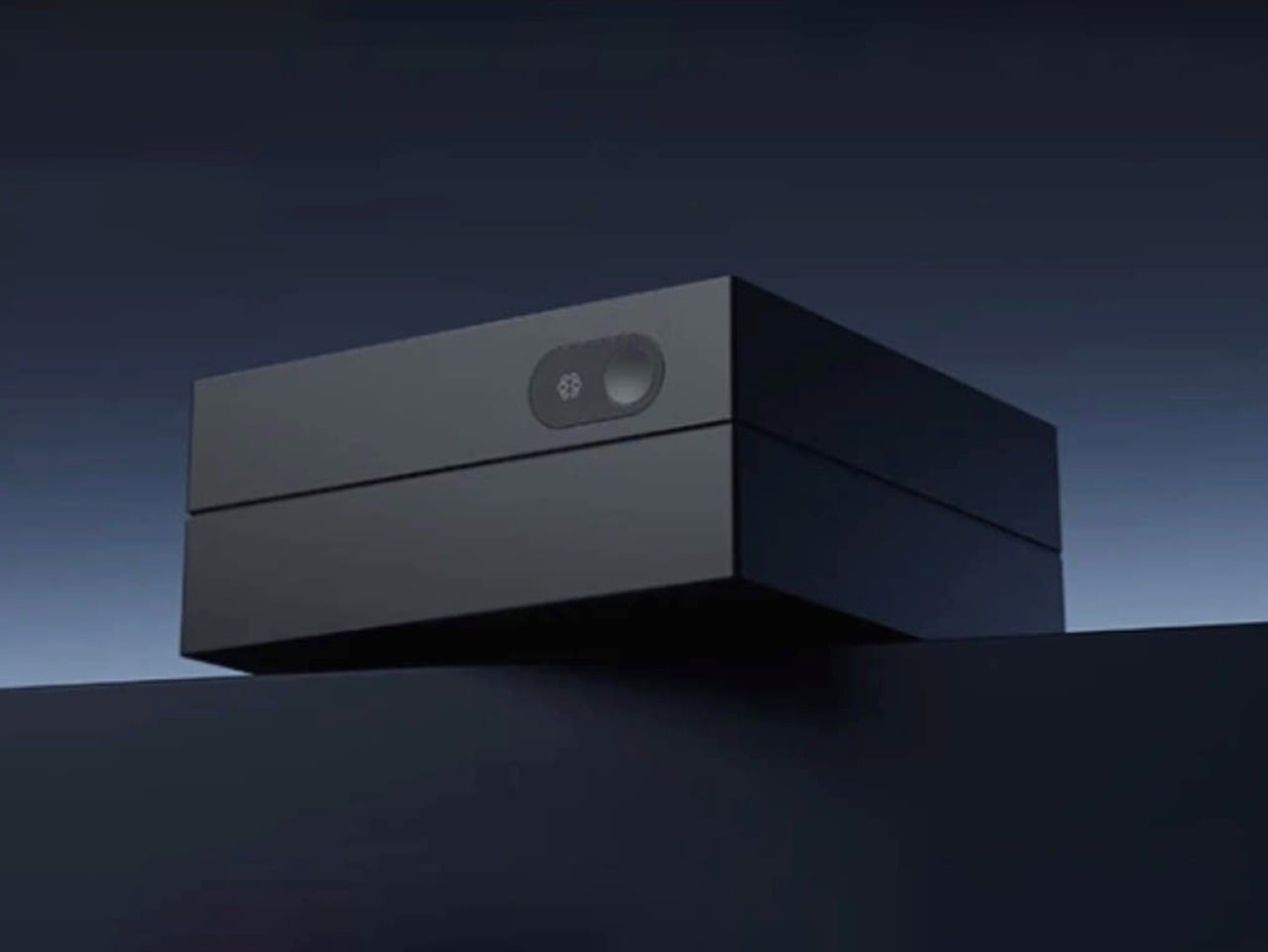
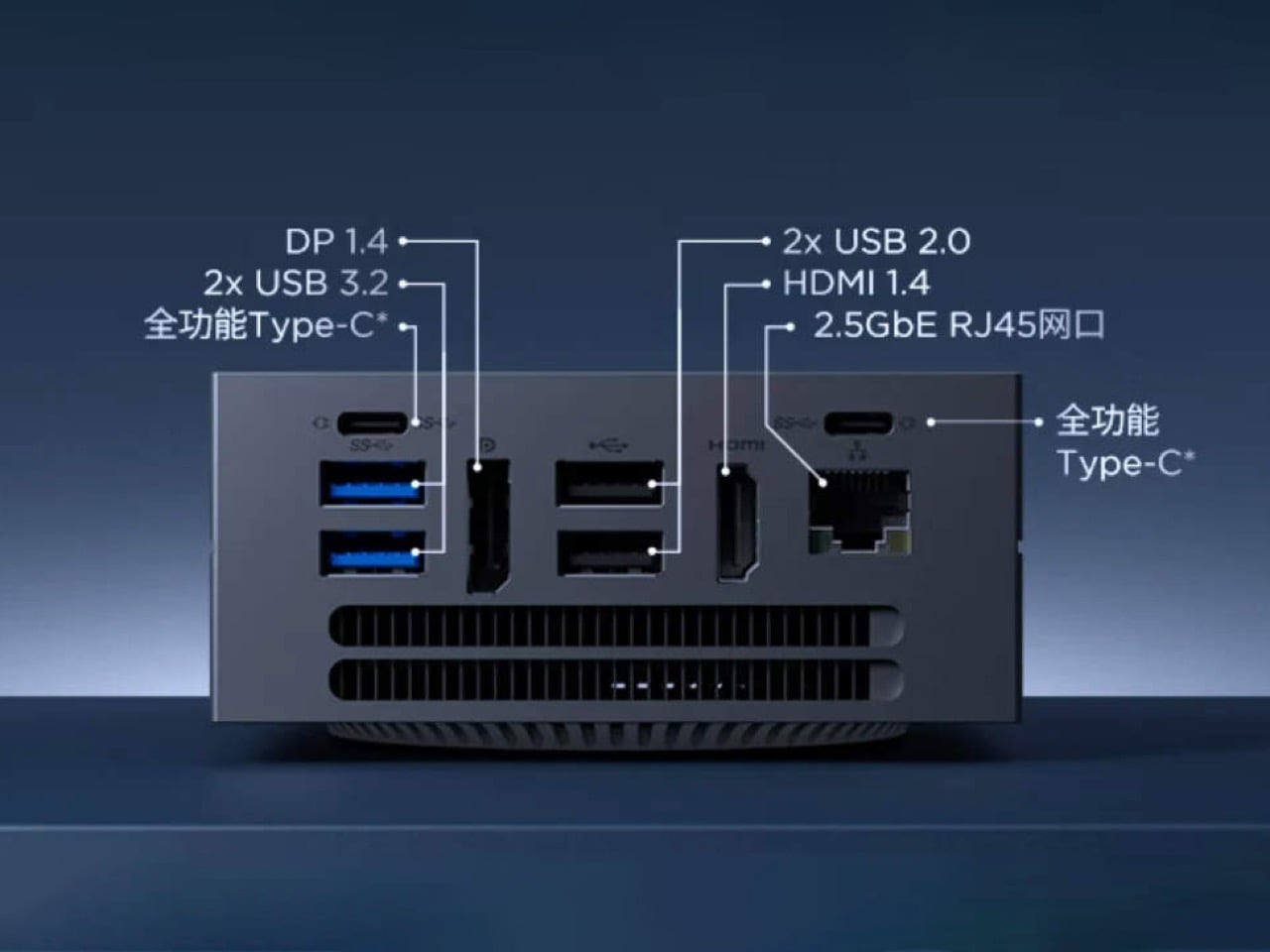
The physical object is a plain black box, 10 x 10 x 4.8 centimeters and 0.48 liters in volume, smaller than the Mac mini, which starts at $769. The processor is a Cixin P1 CD8180, a Chinese ARM chip with twelve CPU cores and an Immortalis-G720 GPU carrying ten cores, backed by 8GB of LPDDR5-6000 RAM and a 256GB SSD. Lenovo runs the platform on Ubuntu Linux with a proprietary Tianxi Claw layer handling access to the AI skills marketplace, and the system reportedly handles multiple agent instances running simultaneously. Connectivity covers two USB-C, four USB-A, 2.5 Gbit/s Ethernet, HDMI 1.4, and DisplayPort 1.4. CNY 2,999 (about $440) buys a China-exclusive launch with no confirmed path to international shelves.
Designer: Lenovo
The Cixin P1 chip is the most politically loaded component in any mini PC announced this year. US export controls have cut Chinese manufacturers off from TSMC’s advanced nodes and Nvidia’s AI accelerators, forcing a generation of engineers to solve hard problems with constrained tools. That pressure has already produced genuine surprises: Huawei’s Kirin 9000s proved domestic silicon could power a sold-out flagship, and DeepSeek R1 showed that a frontier-class language model could be trained on a…