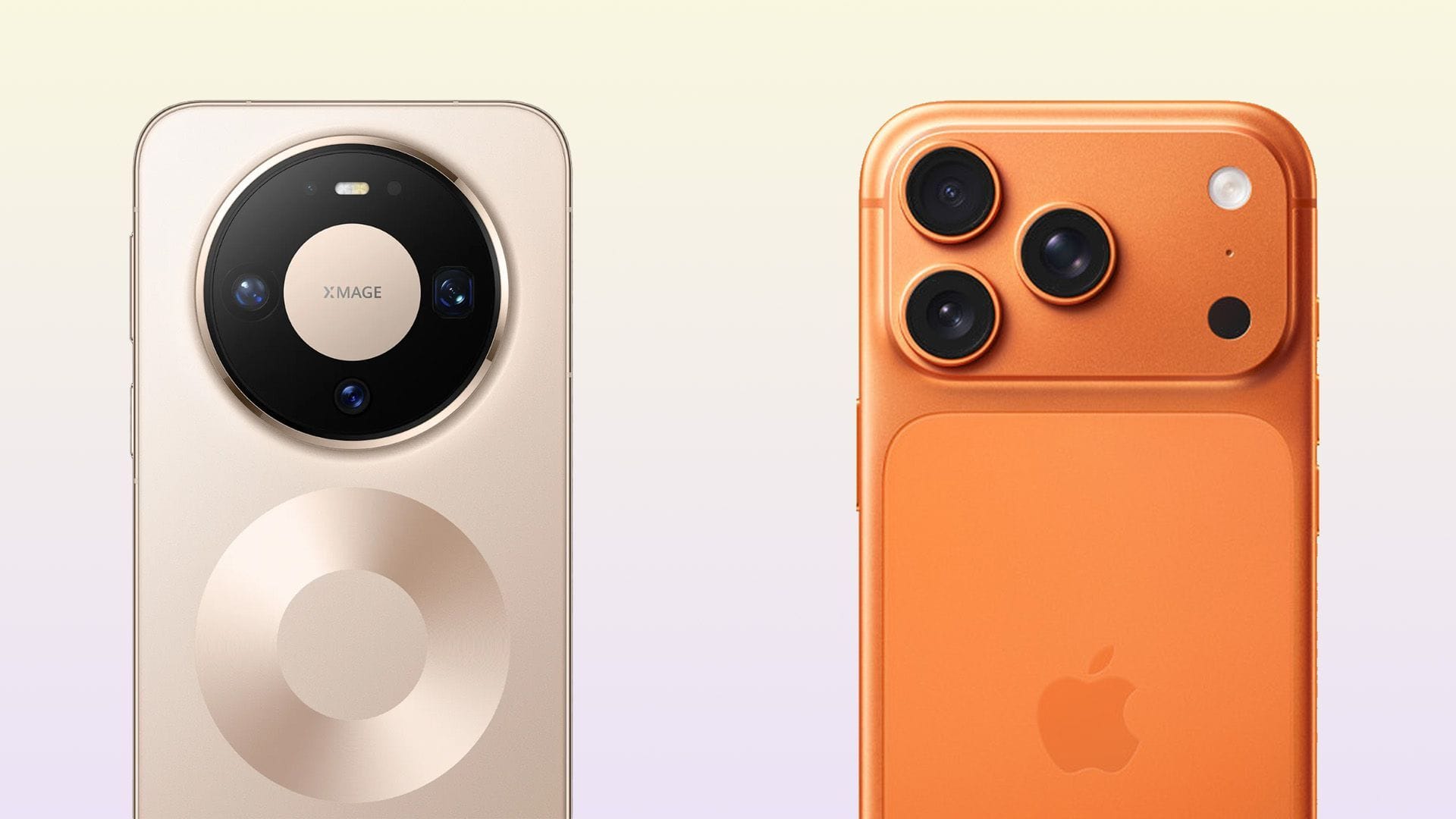
Apple’s Foundation Models Now Run a 20B AI Model on iPhone in 2026

Apple’s Foundation Models Now Run a 20B AI Model on iPhone in 2026
https://memeburn.com/apples-foundation-models-now-run-a-20b-ai-model-on-iphone-in-2026/
Publish Date: 2026-06-13 18:51:00
Source Domain: memeburn.com
Apple’s new AI model is the most powerful one the company has ever put on a phone. It runs completely offline too. During WWDC 2026, Apple showed off its third-generation Apple Foundation Models, known as AFM 3. The biggest reveal is a 20-billion-parameter model that runs on your iPhone without sending data to a cloud server. Here’s what changed, which devices get it, and why this goes past just specs.
How Apple AFM 3 Works

AFM (Apple Foundation Model) powers Apple Intelligence from Siri to dictation to photo editing. AFM 3, announced June 8, 2026, has five models: on-device and server.
AFM 3 Core Advanced is the real story. It has 20 billion parameters using sparse architecture. The model activates only 1 to 4 billion per request based on the task. That’s how Apple fits it on a phone without draining the battery.
On-device models:
- AFM 3 Core — ~3 billion parameters for everyday tasks like text suggestions and basic dictation
- AFM 3 Core Advanced — 20 billion parameters, handles text, images, and voice, but only works on Apple’s newest chips
- Server-based models (via Private Cloud Compute):
- AFM 3 Cloud — general-purpose model for standard AI tasks
- ADM 3 Cloud (Image) — dedicated to photo generation, Genmoji, and Image Playground
- AFM 3 Cloud Pro — Apple’s most powerful model, designed for complex reasoning and multi-step agentic tasks
AFM 3 Performance and Benchmark Results
Apple dropped detailed benchmarks, and the improvements are hard to ignore.
For text performance, AFM 3 Cloud jumped from 8.7% user preference (2025 model) to 64.7%. That’s nearly an 8x jump. On-device, AFM 3 Core moved from 23.3% to 45.6% preference. Overall satisfaction across all models improved by 36%. Instruction-following is up 21%.
Voice took a significant step forward too. Dictation quality preference rose from 17.6% to 44.7%. It improved across all six metrics including punctuation, casing, and meaning capture. Expressive voice now scores a Mean Opinion Score (MOS) of 4.15 to…