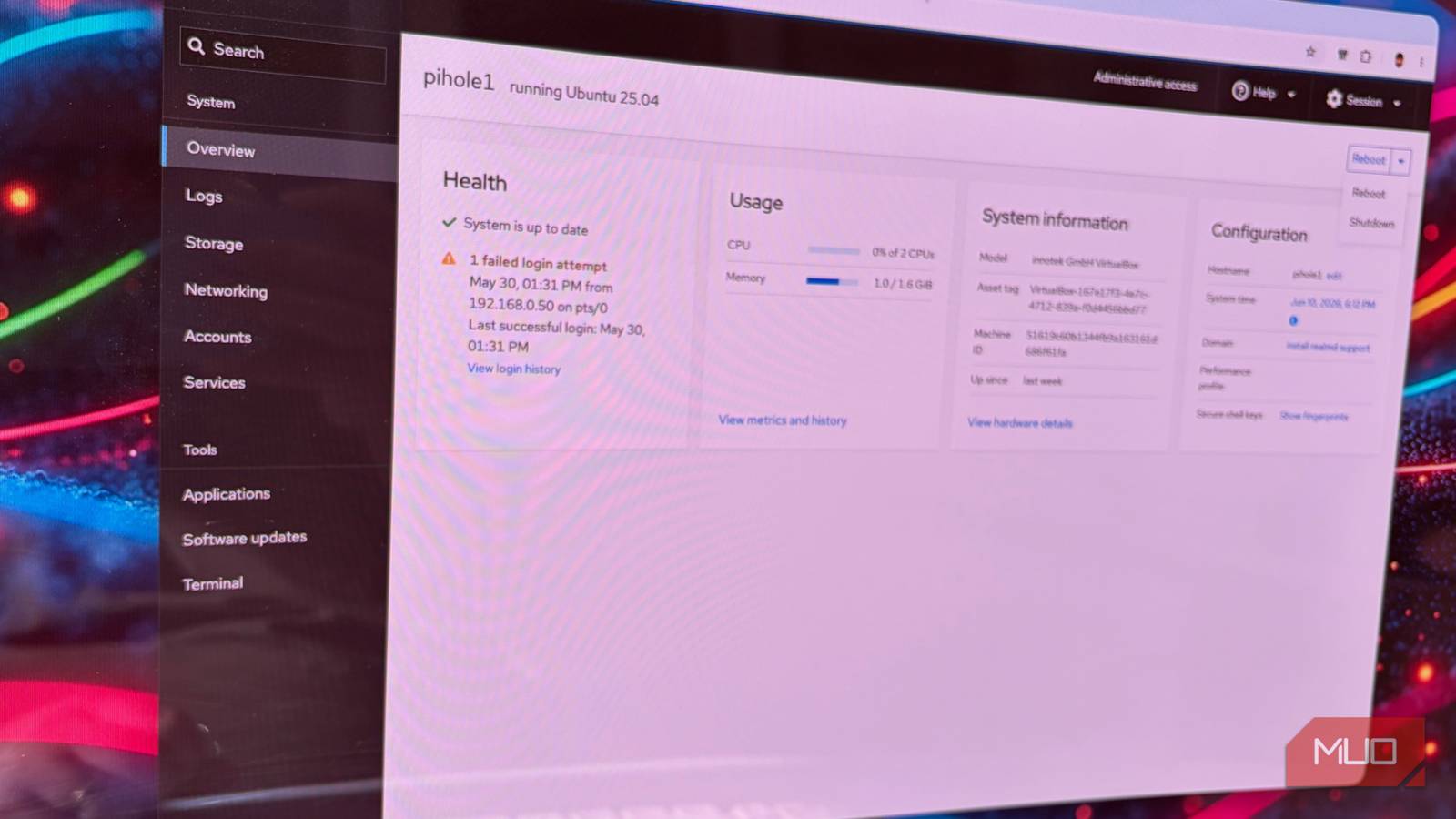
Apple Officially Supports Linux for a Completely Seamless Experience
Apple Officially Supports Linux for a Completely Seamless Experience
https://eu.36kr.com/en/p/3850022182900995
Publish Date: 2026-06-12 12:44:00
Source Domain: eu.36kr.com
When it comes to coding, macOS and Linux each have their own strengths:
One excels in being user – friendly and having refined tools, making the process of writing code a pleasure; the other shines in its standards and well – developed ecosystem, making running code a breeze.
However, now, programmers no longer have to make a choice. They can smoothly run Linux directly on Apple computers.
At WWDC, Apple recently open – sourced Container machine: a highly integrated Linux environment that can run seamlessly on Apple computers.
The workflow set by Apple is as follows:
Edit on Mac and build and run in the Linux environment. This allows developers to have a full – fledged experience from writing code to running it.
Well, the goal is quite clear, which is to use native containers to turn Mac into a more attractive primary machine for developers.
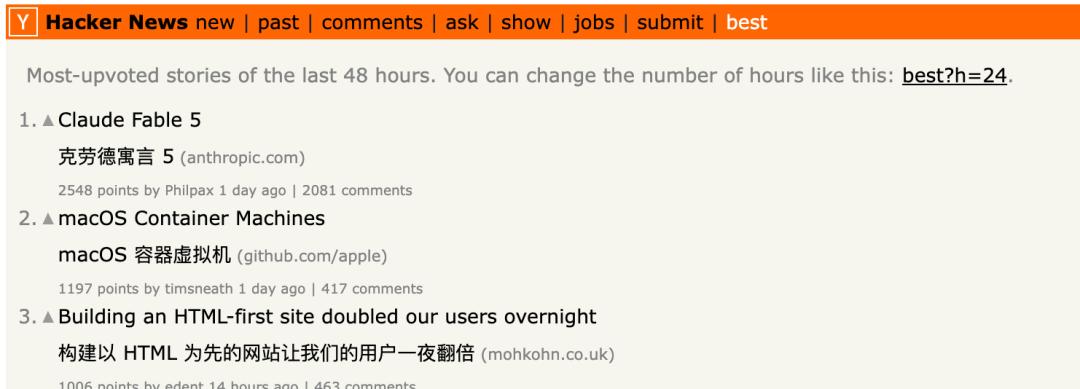
It’s no exaggeration to say that Apple has really captured the hearts of developers this time. The popularity of related discussions on Hacker News is only second to Claude Fable 5.
Apple’s Native Linux Container
At last year’s WWDC, Apple open – sourced Containerization, a Swift framework for running Linux containers on macOS.
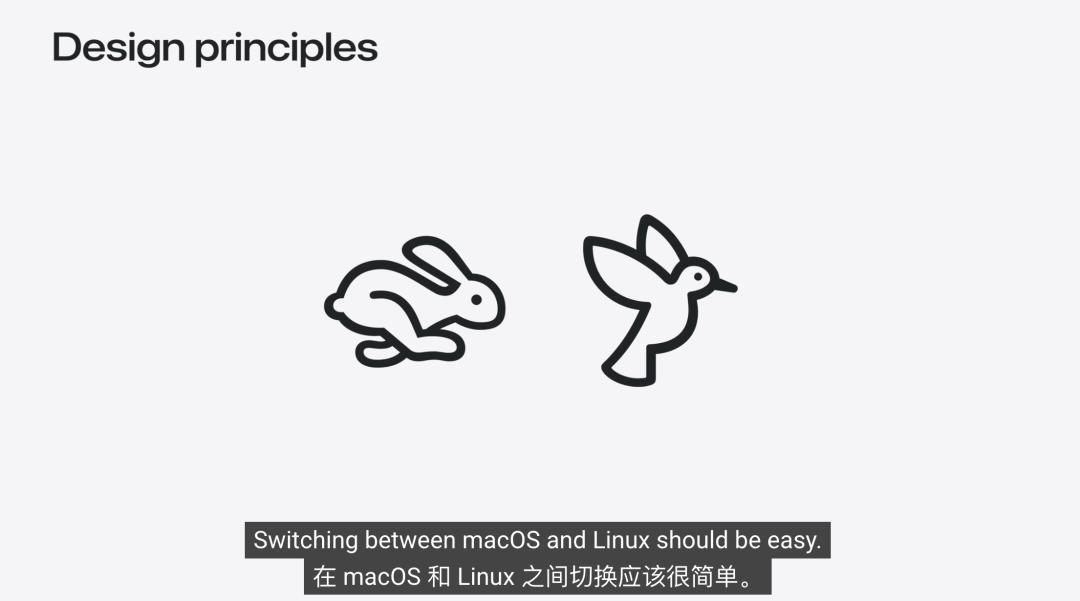
Container machine is built on this framework, featuring speed, lightweight, and easy management, making the switch between macOS and Linux simple and smooth.
Different from ordinary containers, ordinary containers are more inclined to run applications once, and their states may not be retained in the long term. While Container machine is more like a “Linux workspace” that can be accessed repeatedly. You can use the tools and environment today and pick up where you left off tomorrow.
According to the official introduction, Container machine is a Linux environment running in an independent and lightweight virtual machine and uses the same OCI images as containers.
It retains the lightweight nature and image ecosystem of containers while also adding the state persistence of virtual machines.
The…