Touch ID coming to iPhone Ultra this fall, here’s why

Touch ID coming to iPhone Ultra this fall, here’s why
https://9to5mac.com/2026/06/05/touch-id-coming-to-iphone-ultra-this-fall-heres-why/
Publish Date: 2026-06-05 12:56:00
Source Domain: 9to5mac.com
This fall, Apple is launching a new foldable iPhone that rumors say will be called iPhone Ultra. And one of the more curious features of iPhone Ultra is the use of Touch ID instead of Face ID. Here’s why Apple’s reportedly making the switch.
iPhone Ultra to use Touch ID, not Face ID for authentication
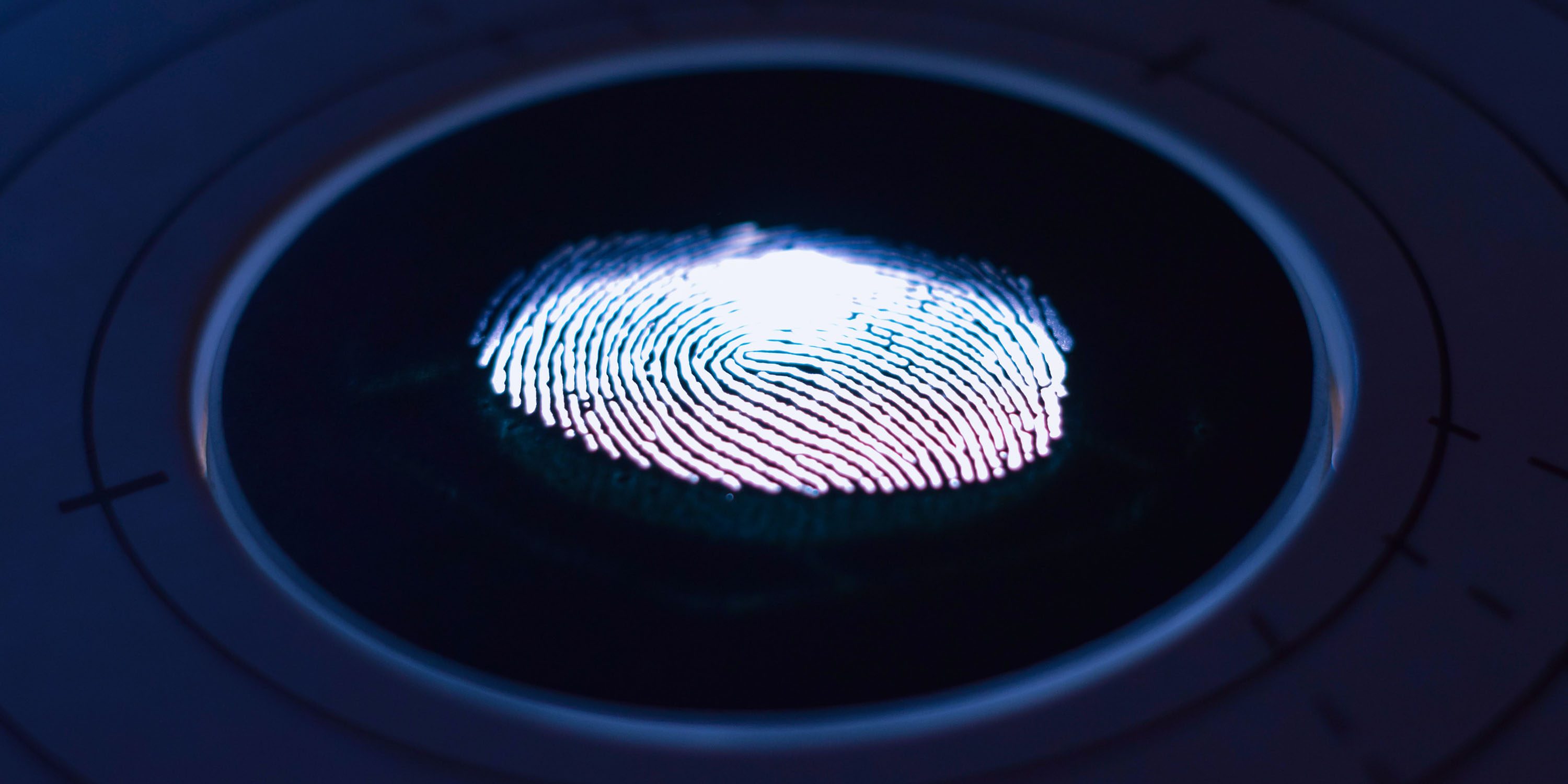
iPhone Ultra will be perhaps the most unique new iPhone model ever.
It will have two displays—one on the outside, and a larger one that unfolds on the inside. It will use a hole-punch cutout rather than a Dynamic Island.
And it will have Touch ID instead of Face ID.
That’s according to leaks from a variety of sources over many months.
For a model branded ‘Ultra,’ it seems especially odd for Apple to be taking a step back with its authentication tech.
So why the switch?
According to analyst Ming-Chi Kuo, Apple was forced to use Touch ID “due to thickness and internal space constraints.”
Why Apple opted not to use Face ID in iPhone Ultra
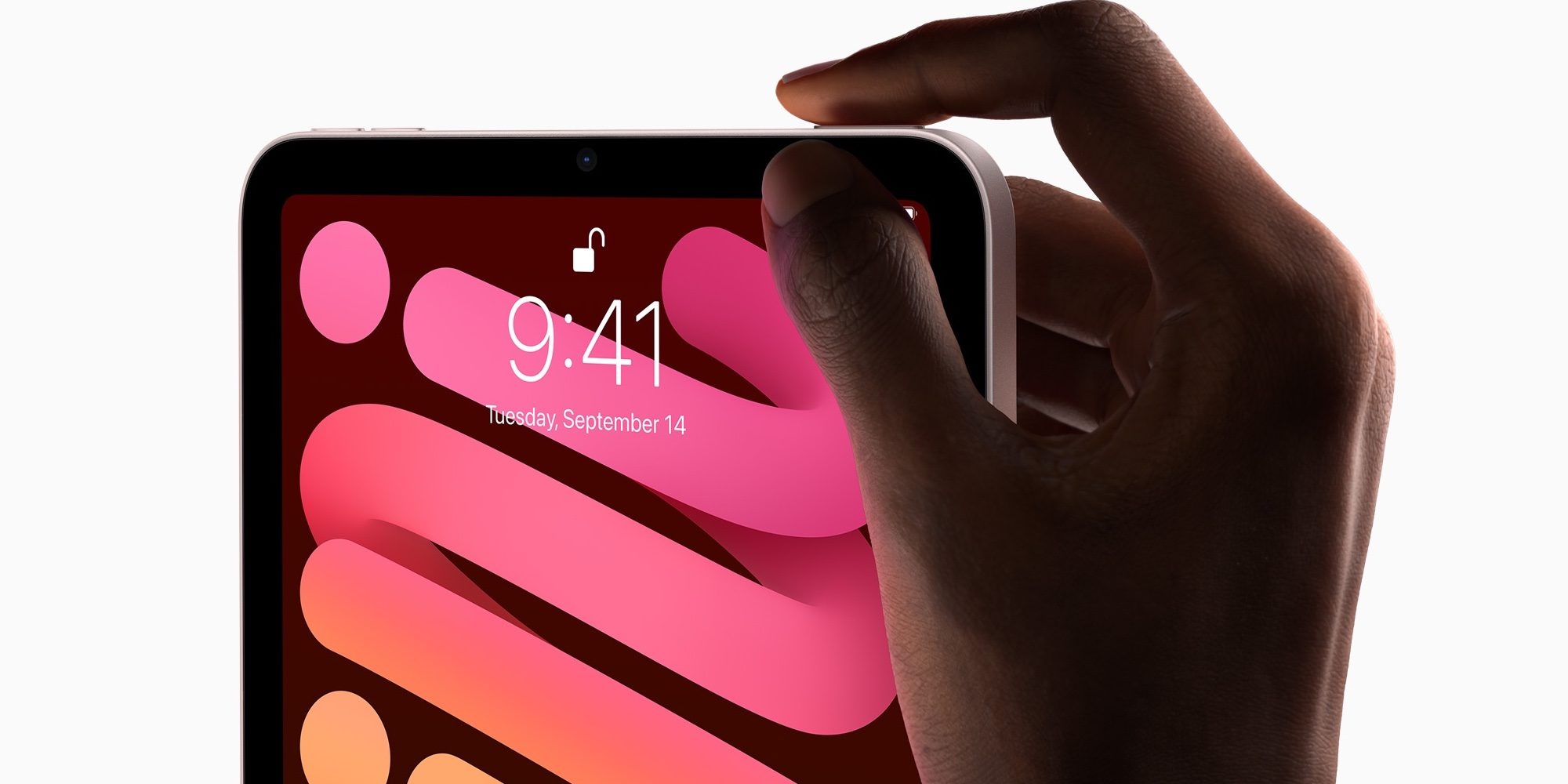
Face ID’s components clearly fit inside the ultra-thin iPhone Air. So why not iPhone Ultra?
There are at least two reasons that we know of:
- iPhone Ultra will be even thinner than iPhone Air
- It would require two separate sets of Face ID components
iPhone Air measures 5.6mm thick (not counting the camera plateau). But the iPhone Ultra, when unfolded, will measure only 4.5-4.8mm. That’s a significant reduction.
Even if Apple managed to fit Face ID into the thinner frame, it would require double the overall space. That’s because each of the iPhone Ultra’s two displays would need its own set of Face ID components.
Whether Apple could technically manage such a feat or not, it would mean sacrificing precious internal real estate that could otherwise be dedicated to a larger battery, vapor chamber, and more.
With Touch ID, which will be integrated into the iPhone Ultra’s power button, Apple doesn’t need to double its components. Thus,…


