Are our cars spying on us? A cybersecurity expert explains how to stay safe
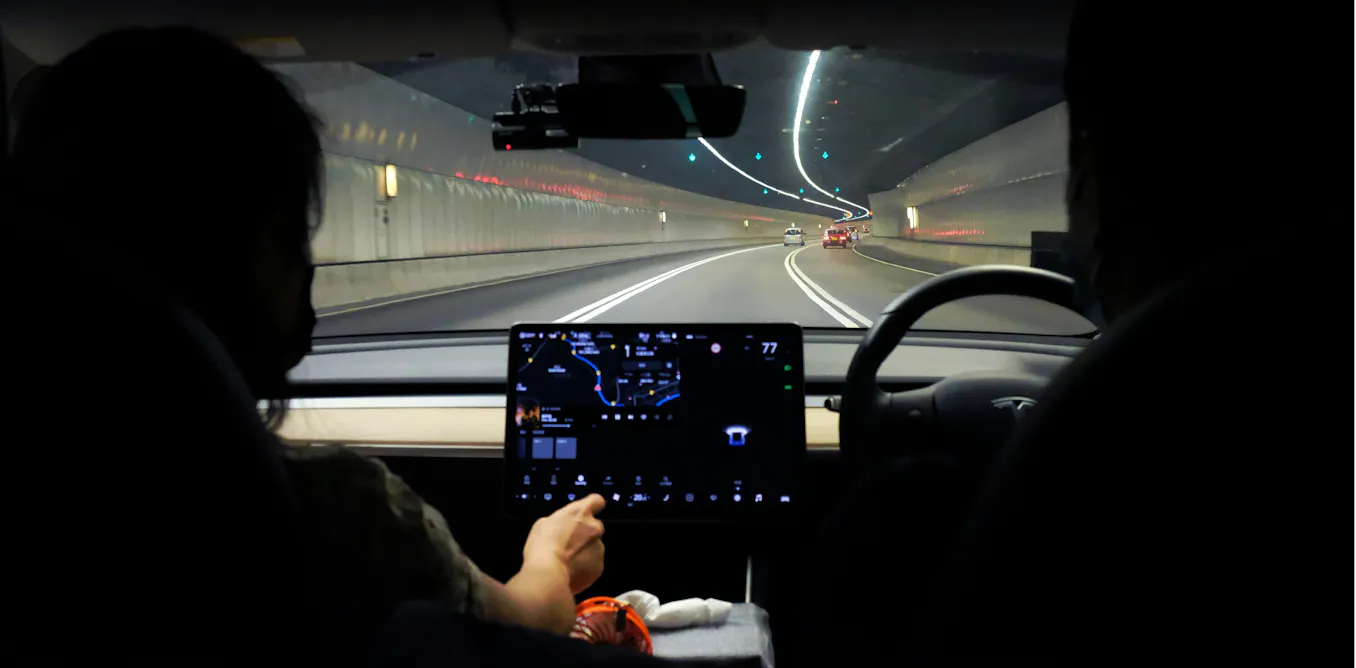
Are our cars spying on us? A cybersecurity expert explains how to stay safe
Publish Date: 2026-05-31 22:47:00
Source Domain: theconversation.com
Australia’s spy agency issued a stark warning to politicians and public servants last week: do not discuss sensitive or classified information in vehicles.
Speaking at senate estimates, ASIO Deputy Director-General Lisa Alonso Love said the warning concerned “any vehicle, whether it’s connected or not”. But she added that “connected vehicles” may come with additional risks for data collection. Her advice was that classified conversations should occur only in properly secured locations, not while travelling.
The warning came after seven models of Chinese electric vehicles were added to the list of taxpayer-funded cars available to federal politicians, representing 30% of the vehicles now available under the parliamentarian vehicle scheme.
But this is not just a problem with electric cars, nor cars manufactured in China. Connected vehicles of any kind come with several privacy and national security risks.
What are ‘connected cars’?
According to the Australian Signals Directorate, any vehicle that is connected to the internet, either through an embedded SIM card or a paired smartphone, can be considered a connected vehicle.
Almost all major cars sold in Australia with “connected services” collect and transmit driver and passenger data to the vehicle manufacturer.
A study by consulting firm McKinsey found 50% of cars on the road in 2021 had internet connections and predicted the number will rise to 95% by 2030.
Data is collected and stored both on vehicle and offshore. For example, Great Wall Motor’s policy states its data is transmitted to Singapore but is available for analysis in China.
What data do these cars collect?
Connected vehicles are packed with sensors: in the seats, the dashboard, the engine, the steering wheel. Many also have additional driver-facing cameras plus external cameras. Vehicles can generate 1 to 2 terabytes of raw data per car each day.
Manufacturers collect sensor data to measure vehicle…