AI didn’t kill the junior developer, it changed the rules

AI didn’t kill the junior developer, it changed the rules
https://www.calcalistech.com/ctechnews/article/ypiegfeea
Publish Date: 2026-05-31 09:59:00
Source Domain: www.calcalistech.com
Entering the job market has rarely been more challenging.
For aspiring software developers, product managers and data analysts, the path into high-tech looks very different from the one previous generations encountered. A wave of layoffs across the technology sector, combined with the rapid adoption of artificial intelligence and broader economic pressures, has reduced entry-level opportunities and raised expectations for new hires.
Organizations increasingly expect candidates to create value from day one. Potential alone is no longer enough. Employers want people who can integrate quickly, learn independently, and contribute immediately.
1 View gallery
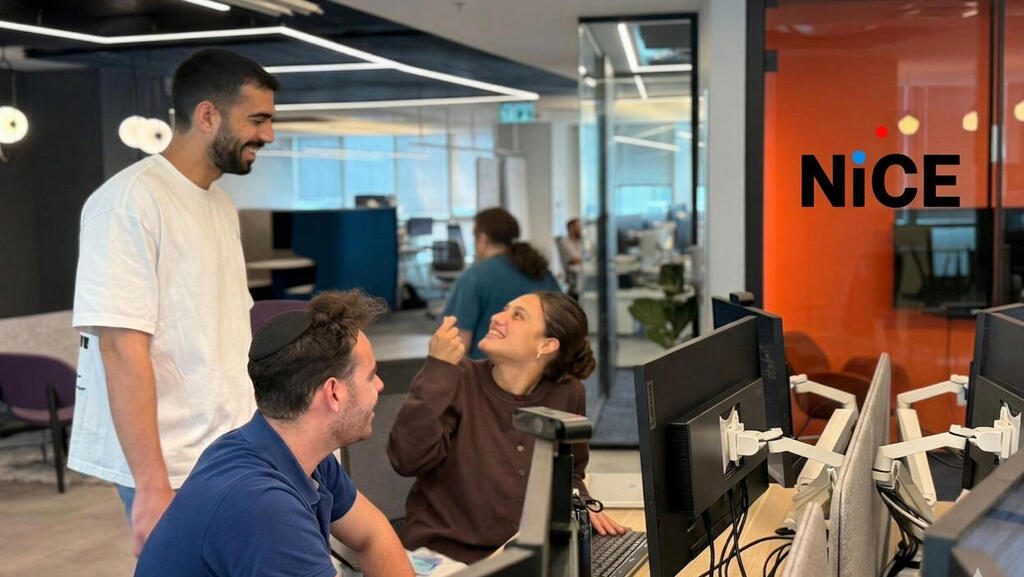
Employees at NICE
(Photo: NICE)
The numbers reflect that reality. According to Maor Spitzer, Head of Talent Acquisition at fintech company Earnix, every student position attracts hundreds of applications within hours of being posted.
“The biggest challenge for students is standing out and figuring out what can push them to the top of the pile,” he says.
The rise of artificial intelligence has become one of the defining forces reshaping the labor market. Yet its impact is more complicated than the popular narrative that AI will simply replace workers.
A recent Deutsche Bank report examining AI’s effect on the U.S. labor market suggests that young professionals are among the groups most affected by the technological shift. Job openings in professions highly exposed to AI, including software development and research roles, have declined faster than in the broader labor market over recent years, although the trend has stabilized somewhat in recent months.
Among bachelor’s degree holders under the age of 27, unemployment remains elevated relative to historical norms, while other demographic groups have been less affected. In other words, a university degree is no longer the guaranteed ticket into the workforce that it once was.
At the same time, there is still little evidence that AI is directly causing widespread layoffs….