How AI ‘neoclouds’ are reshaping the grid
How AI ‘neoclouds’ are reshaping the grid
https://www.latitudemedia.com/news/how-ai-neoclouds-are-reshaping-the-grid/
Publish Date: 2026-05-29 08:32:00
Source Domain: www.latitudemedia.com
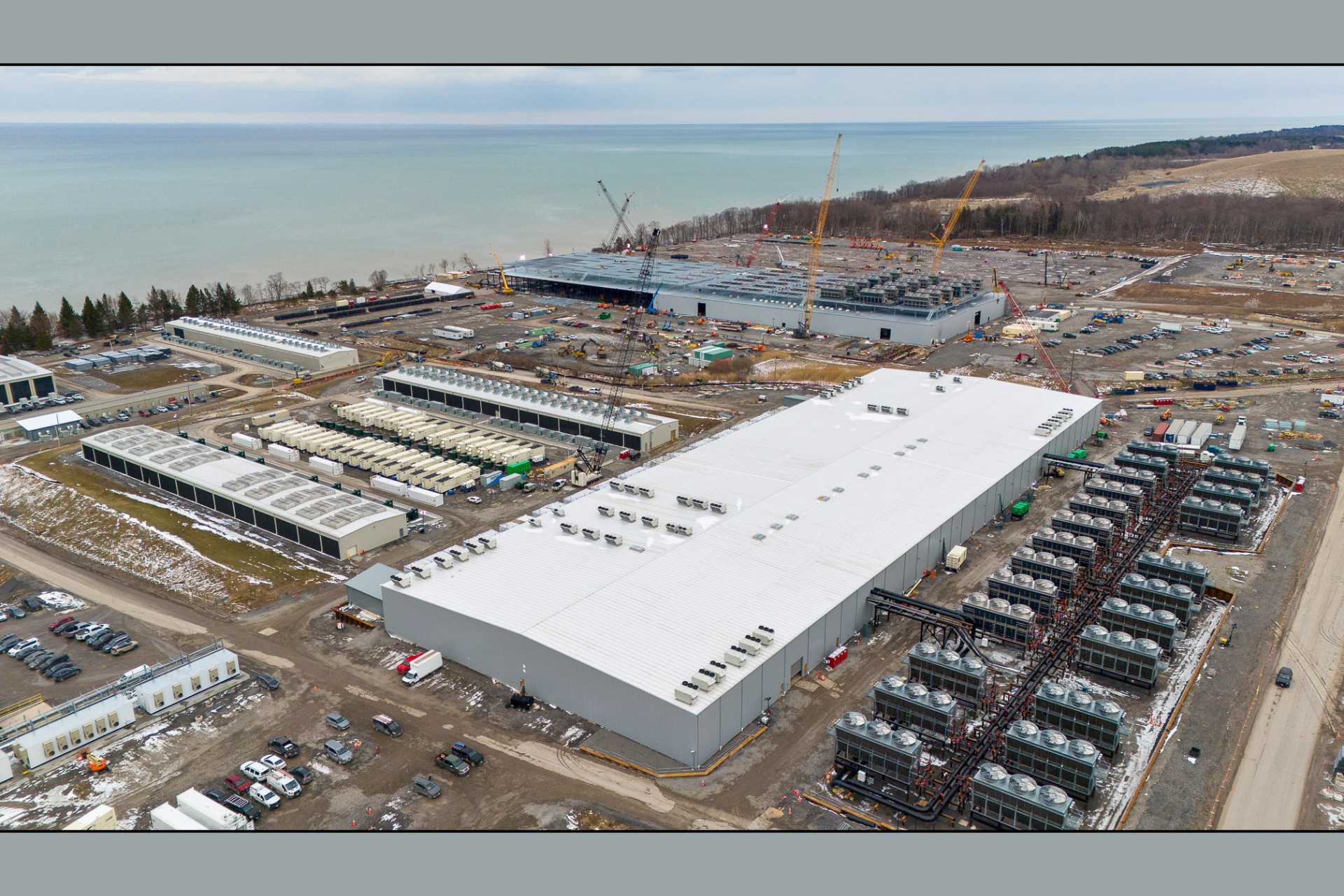
On the bank of Lake Ontario, about an hour’s drive north of Buffalo, New York, symbols of both past and present energy and technological upheaval collide. A retired coal plant sits alongside a massive 1,800-acre site where the construction of an artificial intelligence data center campus is underway.
The developer, TeraWulf, started out as a cryptominer but has since expanded into AI, with plans to scale to 750 megawatts of high-capacity computing power at its campus in western New York. TeraWulf already has deals to lease space to customers such as the startups FluidStack, backed by Google, and Core42, backed by the UAE government; both will park servers on-site and sell GPUs to their own customers.
This is the world of the neoclouds, a new breed of company that’s emerged in the last few years to try and cash in on the AI training and inference boom. There are multiple ways neoclouds are approaching the opportunity. Infrastructure providers like TeraWulf focus strictly on securing power and building the physical data halls. Pure-play neoclouds are gobbling up chips, largely from Nvidia, to sell GPU compute itself. Meanwhile, players like Crusoe are vertically integrated and doing both.
Across the more than 100 neoclouds that have popped up in recent years, the vast majority are “very early-stage or GPU resellers,” rather than companies that actually own and operate data center infrastructure at scale, according to research by Sightline Climate. The majority probably won’t be able to manage AI workloads on their own because they don’t have access to power, the latest chips, or a managerial team with experience running data centers, industry analysts told Latitude Media — all of which are key to attracting major hyperscalers or AI labs as tenants.
But some can. And that group is reshaping the grid by repurposing old industrial sites or embracing the bring-your-own-power movement to sidestep lengthy wait…