Your Profile Is a Dossier. Here’s Who’s Reading It.
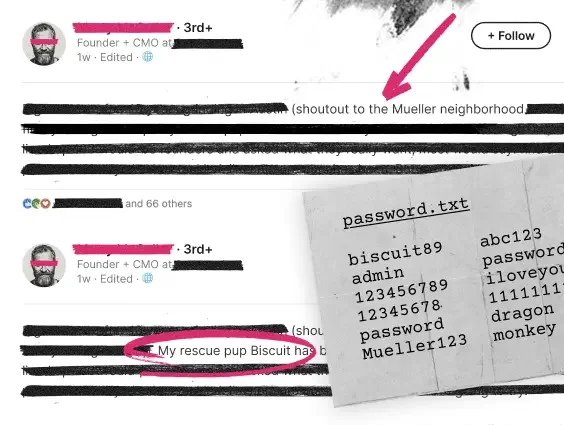
Your Profile Is a Dossier. Here’s Who’s Reading It.
https://www.huntress.com/blog/declassified-cybercrime-episode-two
Publish Date: 2026-05-28 09:33:00
Source Domain: www.huntress.com
Every LinkedIn update, every “first day at a new job!” announcement is data. And while you’re sharing your exciting life milestones, cybercriminals are taking notes.
That’s what we unpacked in the second episode of _declassified, where Truman Kain, Principal Product Researcher at Huntress, and cybersecurity educator Caitlin Sarian (aka Cybersecurity Girl) walked through exactly how attackers turn your public information into a playbook against you.
There’s a common misconception that attackers need to venture into dark layers of the internet to find useful information about their targets. We’re putting that to rest, and here’s why.
An attacker can pull together a detailed picture of someone using tools most people use (or can easily access) every day: LinkedIn, corporate directories, and breach data sites that live on the open internet. Search an email on a site like dehashed, click through a few records, and within minutes, you might be looking at usernames, old passwords, and even a social security number.
The information just needs to be convincing enough to get someone on the phone or to make a phishing email feel believable. A targeted phishing attempt against Jai Minton, Senior Manager of Detection Engineering and Threat Hunting at Huntress, landed in both his work and personal inboxes within two minutes of each other. The attacker had pieced together his corporate email format and found a personal email tied to a previous breach. Dark web searches weren’t required.
The blurred line between work and home
Attackers use the overlap between your personal and professional digital details against you.
Reused passwords and personal devices used for work sit right in the gray zone where most successful attacks begin. Attackers don’t care where they get in. They just want that initial access point to move on with their attack.
A “first day at a new job” post on…