Why the next decade of physical AI must be human-centric
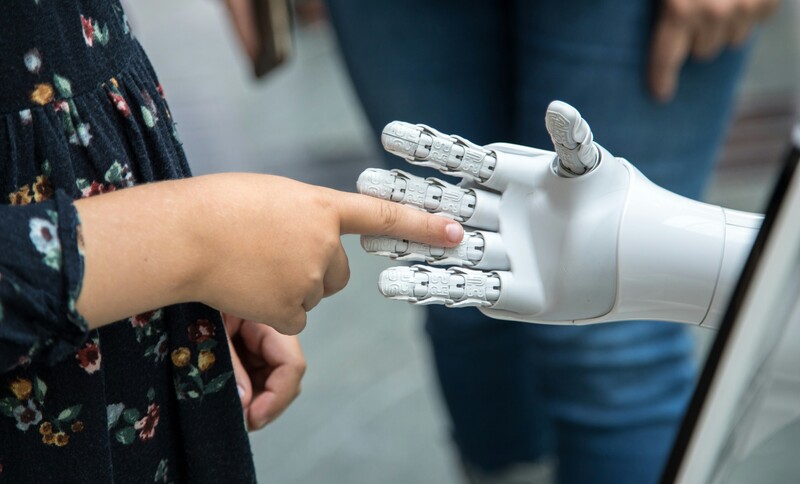
Why the next decade of physical AI must be human-centric
https://www.weforum.org/stories/2026/05/why-the-next-decade-of-physical-ai-must-be-human-centric/
Publish Date: 2026-05-27 05:53:00
Source Domain: www.weforum.org
- The shift to physical AI requires moving past rigid automation towards true human-robot collaboration.
- Ageing advanced nations and youthful developing economies require completely different physical AI adaptation paths.
- Future workplaces must prioritize human well-being and intuitive machine explainability to guarantee workplace safety.
The artificial intelligence (AI) revolution of the past decade lived mostly behind glass, optimizing supply chains, writing code and shaping digital experiences. Today, AI is crossing into the physical world. Machines are no longer just processing data. They are moving matter, from factory floors to hospital wards, logistics hubs to agricultural fields.
We have entered the era of physical AI.
As this shift accelerates, fueled by advances in robotics, multimodal AI and real-world simulation, the central question is not how powerful these machines will become. It is whether they will truly collaborate with the humans they are designed to serve. If we want resilient, productive and humane workplaces, the next decade of physical AI must be built around the human benchmark: seamless, safe and empathetic human-robot interaction and collaboration.
Where we stand today: The friction of legacy automation
Physical AI is maturing rapidly. Hardware, including sensors, actuators and mechanical systems, has become reliable. Software, powered by large language models, computer vision and spatial intelligence, is giving machines basic common-sense reasoning. Yet true partnership remains rare.
In manufacturing and logistics, collaborative robots (cobots) have moved out of safety cages. Safety protocols, however, remain largely binary: a human steps too close and the machine slows or stops. This creates a zero-sum trade-off between worker safety and throughput. Interaction stays transactional. The human commands and the machine executes, while the cognitive load of managing exceptions still falls almost entirely on people.
According to the World Economic…

