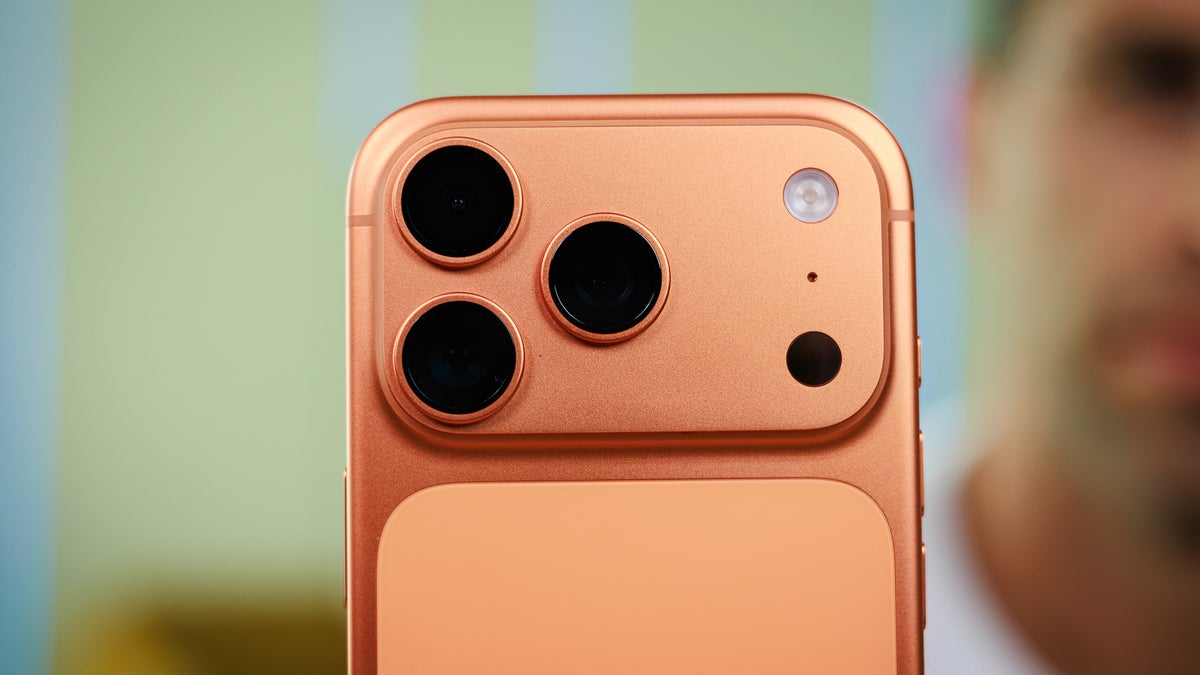
Apple may borrow Android’s smartest anti-theft feature for future iPhones
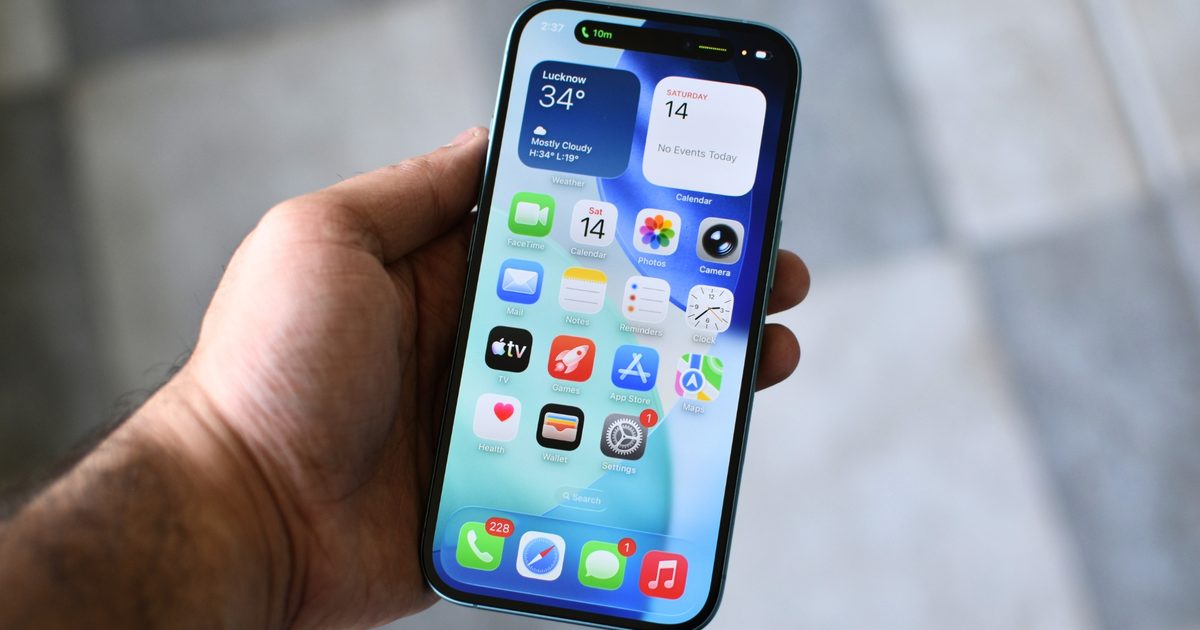
Apple may borrow Android’s smartest anti-theft feature for future iPhones
Publish Date: 2026-05-27 04:57:00
Source Domain: www.digitaltrends.com
Apple could soon make stolen iPhones significantly harder to access, thanks to a new anti-theft feature reportedly in development that closely resembles one of Android’s most useful security tools. According to a report from 9to5Mac, Apple is working on a system that can automatically detect when an iPhone has been physically snatched from a user’s hands and instantly lock the device before a thief can access sensitive data.
The feature would reportedly use a combination of motion sensors, accelerometer readings, and contextual signals to determine whether the phone was suddenly grabbed and moved away unnaturally. If the system suspects theft, the iPhone would automatically trigger a lock state to block unauthorized access.
Apple is addressing a major security gap
The move highlights a growing issue with modern smartphone theft. Existing iPhone protections, such as Stolen Device Protection and Find My, already help secure user data after a phone goes missing. However, those tools are far less effective if the thief steals the phone while it is already unlocked.
That loophole has become increasingly common in real-world theft cases, particularly in crowded cities where criminals quickly grab unlocked phones and immediately disable security settings, reset passwords, or access banking apps before the owner can react.
Dimitri Karastelev / unsplash
Apple’s new solution appears heavily inspired by Android’s Theft Detection Lock feature introduced with Android 15. Google’s system uses AI and motion sensors to identify sudden movements typically associated with theft, such as someone snatching a phone and rapidly running, cycling, or driving away. Once triggered, the Android device automatically locks itself and activates additional security protections.
According to the report, Apple’s version may go even further by using proximity data from a paired Apple Watch to help confirm whether the phone is still near its…