How Great Steppe Stayed Connected Before Modern Technology
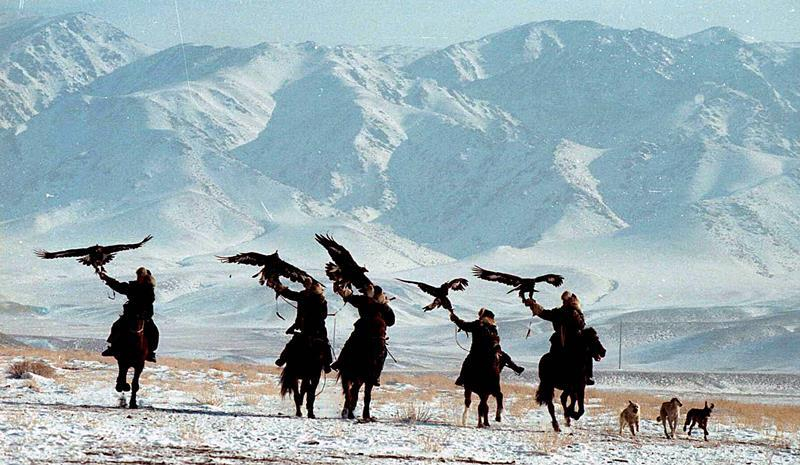
How Great Steppe Stayed Connected Before Modern Technology
https://www.astanatimes.com/2026/05/how-great-steppe-stayed-connected-before-modern-technology/
Publish Date: 2026-05-24 02:04:00
Source Domain: www.astanatimes.com
ASTANA – Long before the internet and instant messaging, information played a crucial role in the lives of nomadic communities across the steppe. News, military intelligence, trade information and cultural ideas traveled through caravans, messengers, symbols and oral traditions, forming a sophisticated communication system adapted to the realities of nomadic life.
Photo credit: kazpravda.kz
In an interview with Kazinform, Arman Zhumadil, candidate of historical sciences and professor at Kazakh British Technical University, explained how information spread in traditional Kazakh society and why access to timely information was always considered strategically important.
Despite its apparent simplicity, the communication system of the Kazakh steppe was highly effective for its time. Messengers ensured speed, signal systems enabled rapid warnings in times of danger, while oral traditions and symbolic communication shaped a distinctive culture for transmitting information.
“The tribes and states that inhabited the Great Steppe developed numerous ways of transmitting information. Connections between civilizations evolved through military encounters, diplomacy, trade and family ties,” he said.
Silk Road as a medieval information network

Arman Zhumadil, candidate of historical sciences and professor at Kazakh British Technical University. Photo credit: inform.kz
The first large-scale exchange of information across Eurasia emerged alongside the Great Silk Road in the second century B.C.
According to Zhumadil, the Silk Road served a role similar to the internet in the modern world.
“If the internet today functions as a cultural and informational space, then in the Middle Ages the Great Silk Road fulfilled the same role,” he said.
The speed of communication, however, was far slower than today. Trade caravans traveling through the territory of modern Kazakhstan typically covered around 40 to 50 kilometers per day.
Zhumadil cited records from Arab political…
