ESET invests EUR €40 million in AI cybersecurity R&D
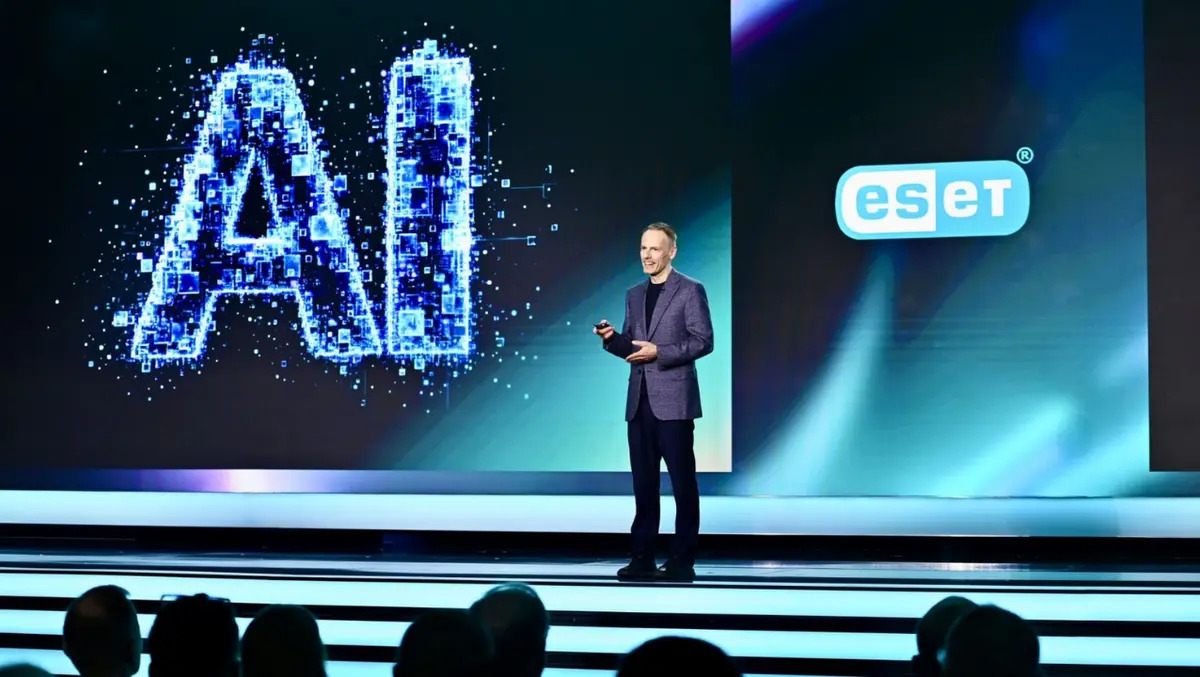
ESET invests EUR €40 million in AI cybersecurity R&D
https://securitybrief.com.au/story/eset-invests-eur-40-million-in-ai-cybersecurity-r-d
Publish Date: 2026-05-24 18:00:00
Source Domain: securitybrief.com.au
ESET has announced a EUR €40 million investment in artificial intelligence research and development, focused on cybersecurity-specific AI models, an AI security stack, and a new AI security operations platform.
The move comes as the cybersecurity group reports a sharp rise in risks linked to so-called AI skills, modular instructions that tell AI agents how to perform tasks, use tools, access services, and interact with external systems. Since March 2026, ESET’s technologies have scanned nearly 800,000 unique AI skills, with about 25,000 classified as suspicious and more than 3,000 blocked as malicious.
That marks a steep increase from the roughly 60,000 publicly available skills observed at the start of the year. The figures point to a fast-growing software supply chain for autonomous and agentic AI systems, in which links to external repositories, plugins, datasets, and third-party services introduce new points of risk.
Richard Marko, Chief Executive Officer of ESET, said the investment reflects a broader shift in how AI is affecting cyber risk.
“Cybersecurity is entering a completely new era,” Marko said. “Artificial intelligence is no longer only a tool for defense. It is becoming part of the attack surface itself. Our investment is focused on ensuring that AI strengthens cybersecurity rather than weakens it – and on building technologies capable of protecting organizations in a world of autonomous AI.”
The programme will also support a three-year hiring plan to expand ESET’s research and development team to 1,000 researchers and engineers. The company positioned the effort as part of a push to retain greater control over the AI systems used in cybersecurity, at a time when a small number of large technology groups dominate access to advanced models.
Marko tied that to what he described as sovereignty in cybersecurity.
“We believe the future of cybersecurity cannot depend entirely on models controlled by Big Tech,” he said. “In…