Taiwan Did Not Steal America’s Chip Technology — It Bought the Starting Point and Built the System
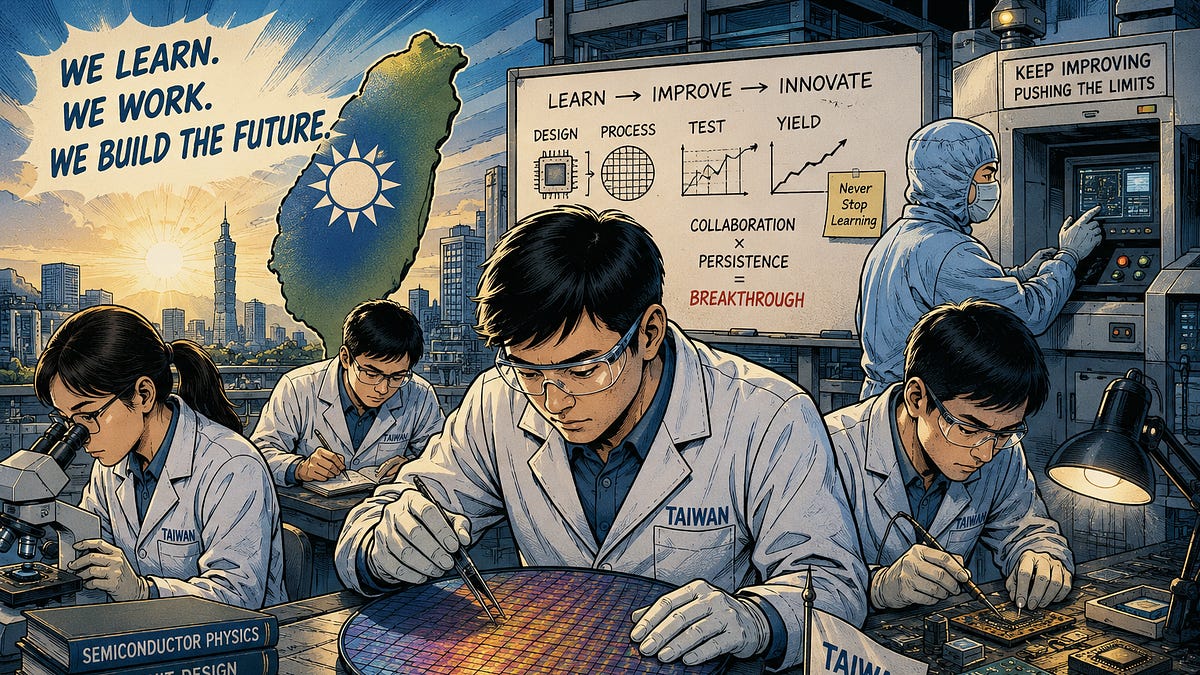
Taiwan Did Not Steal America’s Chip Technology — It Bought the Starting Point and Built the System
https://tspasemiconductor.substack.com/p/taiwan-did-not-steal-americas-chip
Publish Date: 2026-05-21 09:55:00
Source Domain: tspasemiconductor.substack.com
In recent political debate, the claim that “Taiwan stole America’s semiconductor technology” has once again been amplified. It is a simple sentence, emotionally powerful and politically useful. But from the perspective of industrial history, technology transfer, business-model innovation, and semiconductor manufacturing reality, this claim is deeply misleading.
Taiwan did not steal America’s chip technology. Taiwan purchased an early technological starting point, learned from it, absorbed it, localized it, and then spent nearly five decades building one of the most disciplined manufacturing ecosystems in modern industrial history.
The more accurate story is not about theft. It is about technology transfer, state-led industrial policy, engineering discipline, talent formation, and the emergence of a new global division of labor.
To understand Taiwan’s semiconductor rise, we must return to the 1970s.
At that time, Taiwan was still a labor-intensive manufacturing economy. Its exports were dominated by textiles, consumer electronics, plastics, toys, and low-end assembly. The island had strong human capital and a hardworking industrial base, but it lacked high-value technology industries. Taiwan’s policymakers understood that if the economy remained dependent on low-cost manufacturing, it would eventually be squeezed by even lower-cost competitors.
The strategic question was clear: what industry could move Taiwan from assembly manufacturing into high-value technology?
Semiconductors became the answer.
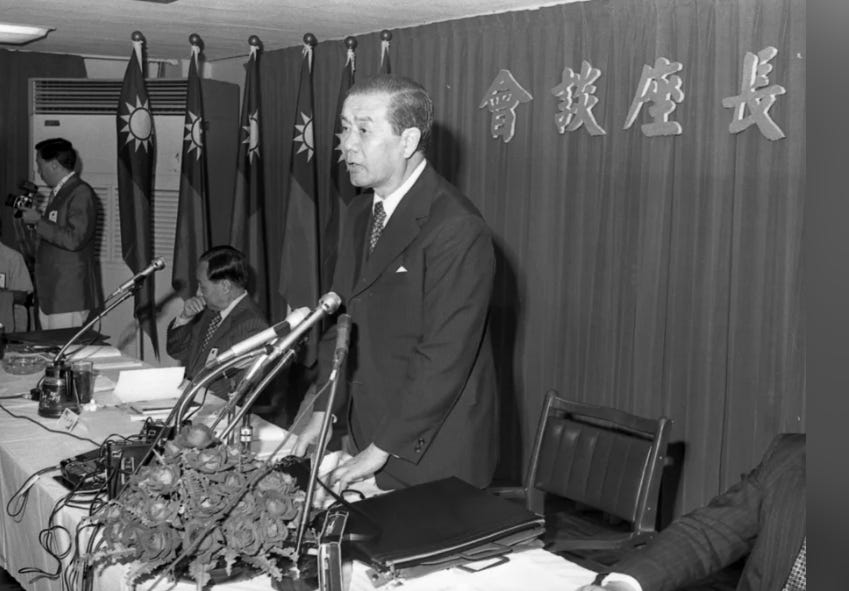
Wen-yuan Pan reported to Minister Yun-suan Sun that, based on his observations of Taiwan’s electronics industry, he believed Taiwan’s electronics sector should upgrade from a labor-intensive model to a technology-intensive one.
Among all segments of the electronics industry, integrated circuits were the most critical and had the broadest impact. Pan believed that the IC industry was highly likely to create the greatest added value for Taiwan’s electronics…