NIO Stock Extends 3-Day Rout: CEO Leans On Firefly’s iPhone-Like Appeal To Stand Out In China EV War
NIO Stock Extends 3-Day Rout: CEO Leans On Firefly’s iPhone-Like Appeal To Stand Out In China EV War
Publish Date: 2026-05-19 01:46:00
Source Domain: stocktwits.com
CEO William Li said Nio currently has no plans to launch additional Firefly models since the brand already controls 70% of China’s premium compact EV segment.
- Li said Firefly is designed to appeal to a wide range of buyers, from younger urban buyers to affluent consumers seeking compact, premium EVs.
- The branding push comes as rivals, including BYD, XPeng, Li Auto, Leapmotor, and Xiaomi, accelerate new EV launches and sub-brands.
- Firefly’s refreshed model starts at 119,800 yuan in China, or 79,800 yuan under Nio’s Battery-as-a-Service plan.
U.S.-listed shares of Nio, Inc. (NIO) extended their losing streak for a third straight session on Monday as investors weighed intensifying competition in China’s brutal EV market, even as CEO William Li leaned harder into the company’s long-term branding by comparing Firefly’s cultural appeal to the iPhone.
Nio’s U.S.-listed stock declined 4% on Monday to end at $5.88.
Nio CEO Compares Firefly To Apple’s iPhone
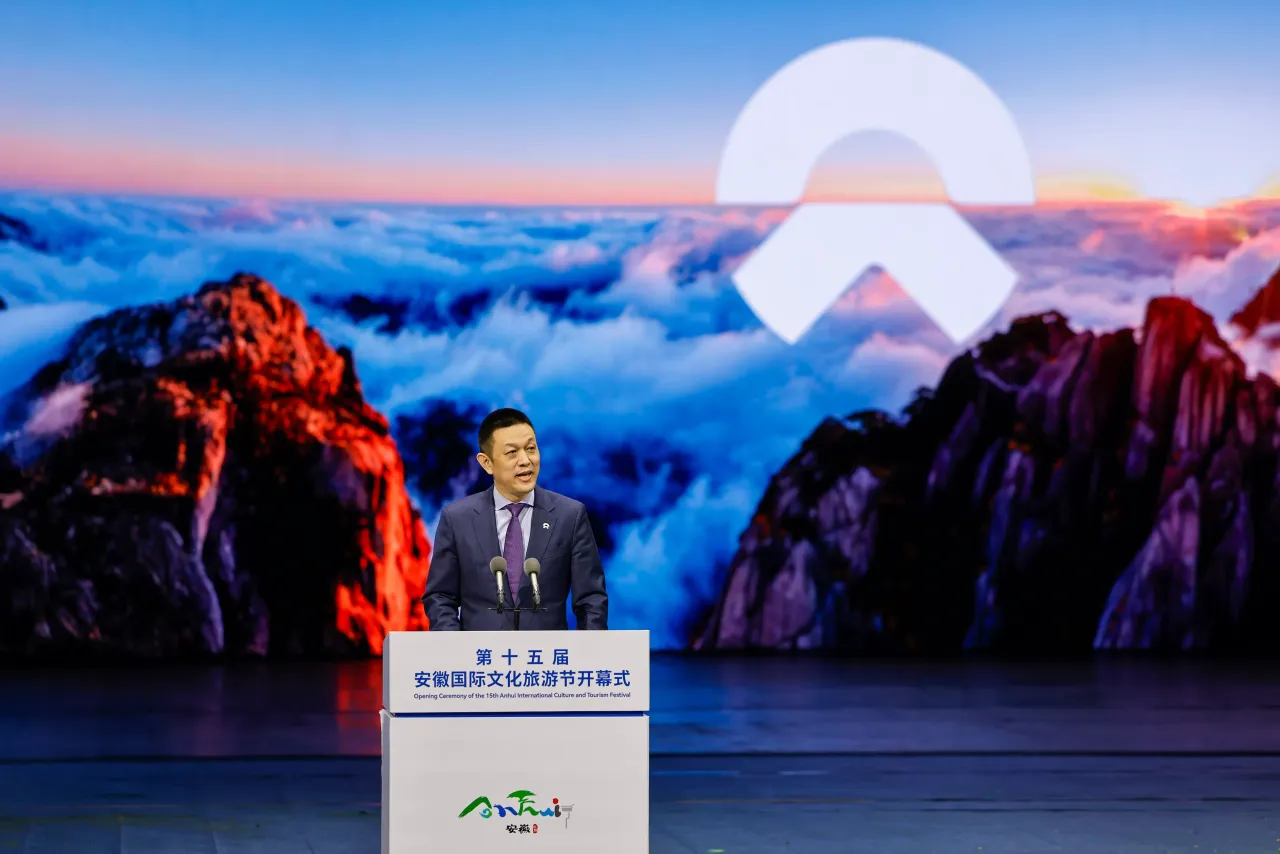
Speaking during the Xuanyuan Automotive Blue Book Forum in Guangzhou over the weekend, Li said Firefly is evolving into a fashion and lifestyle-oriented brand rather than remaining purely a transportation product, according to EV.
Li said the compact EV lineup was designed to appeal across demographics and income brackets, positioning Firefly as a product that could resonate with both younger urban consumers and affluent buyers seeking practical city vehicles. He also compared Firefly’s longer-term cultural ambitions to the way the iPhone evolved from a consumer electronics device into a broader identity-driven brand ecosystem.
“A young graduate can afford it, but a wealthy executive can also drive it to take their children to school,” Li said. The branding push comes as China’s compact EV segment becomes increasingly saturated, with automakers aggressively competing on pricing, software features, design and smart-driving tech amid slowing demand growth.
Rivals including BYD, XPeng, Li Auto, Leapmotor…