Museums have always been entangled with European imperialism. Will the world’s first ‘AI art’ museum be any different?
Publish Date: 2026-05-14 16:10:00
Source Domain: theconversation.com
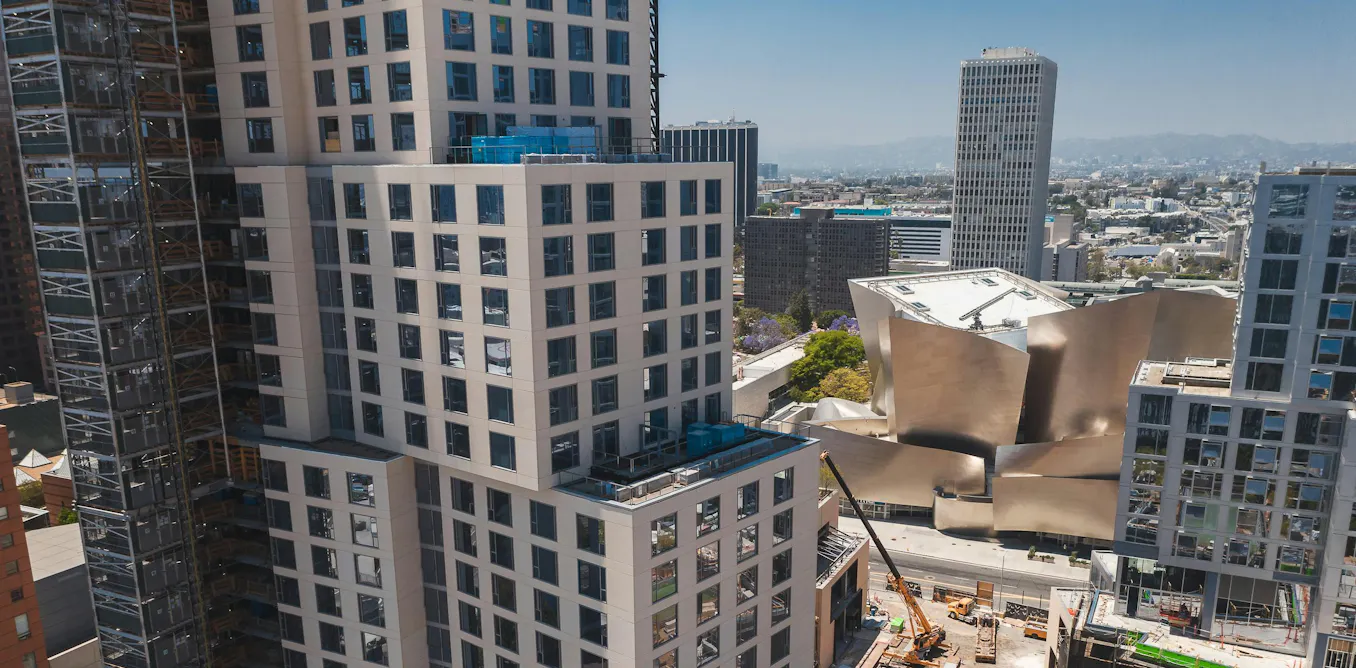
The “world first museum of AI arts” is scheduled to open next month in a 35,000 square feet purpose-built facility in downtown Los Angeles.
Dataland is the brainchild of Refik Anadol and Efsun Erkiliç, artists known for using artificial intelligence and vast datasets to create large-scale immersive art projects.
The “living museum” will present a continuously evolving immersive, audiovisual experience based on millions of images, sounds and scents from nature. As an indication of what it will be like, Dataland’s website presents phantasmagorical images of ecological wonder and awe.
Anadol says he wants Dataland to
develop a new paradigm of what a museum can be, by fusing human imagination with machine intelligence and the most advanced technologies available.
But behind its futuristic facade and the fleeting cultural landscapes hosted inside, the museum has much deeper historical roots.
The birth of the museum
A clear connection exists between the aspirations and dreams of Dataland’s founders and the 19th century fascination with emerging technologies. Large-scale exhibitions promised new forms of public spectacle and commercialised entertainment.
The Crystal Palace exhibition was held in London in 1851. Its purpose-built glass and iron building was considered a technological marvel.
The Great Exhibition at Crystal Palace, featuring the hall of works of industry of all nations.
Attributed to Ferrier & F. von Martens, C.M., 1851/Rijksmuseum
Visited by over six million people, it was designed to promote Britain as an industrial power.
It showcased more than 100,000 objects from around the globe. These included locomotives, hydraulic presses, agricultural products and musical instruments. Its most famous item was the world’s largest-known diamond, acquired from India two years earlier for Queen Victoria.
The “midway” at the 1893 Chicago…