iPhone 18 Pro’s new A20 chip rumored to bring two major upgrades

iPhone 18 Pro’s new A20 chip rumored to bring two major upgrades
https://9to5mac.com/2026/05/08/iphone-18-pros-new-a20-chip-rumored-to-bring-two-major-upgrades/
Publish Date: 2026-05-08 11:03:00
Source Domain: 9to5mac.com
Every year, Apple has a new chip ready for its latest iPhones. But the A20 Pro chip for this fall’s iPhone 18 Pro and iPhone Ultra sounds like it could be extra special. Here are its two big rumored upgrades.
#1: A20 Pro will be the first 2-nanometer iPhone chip
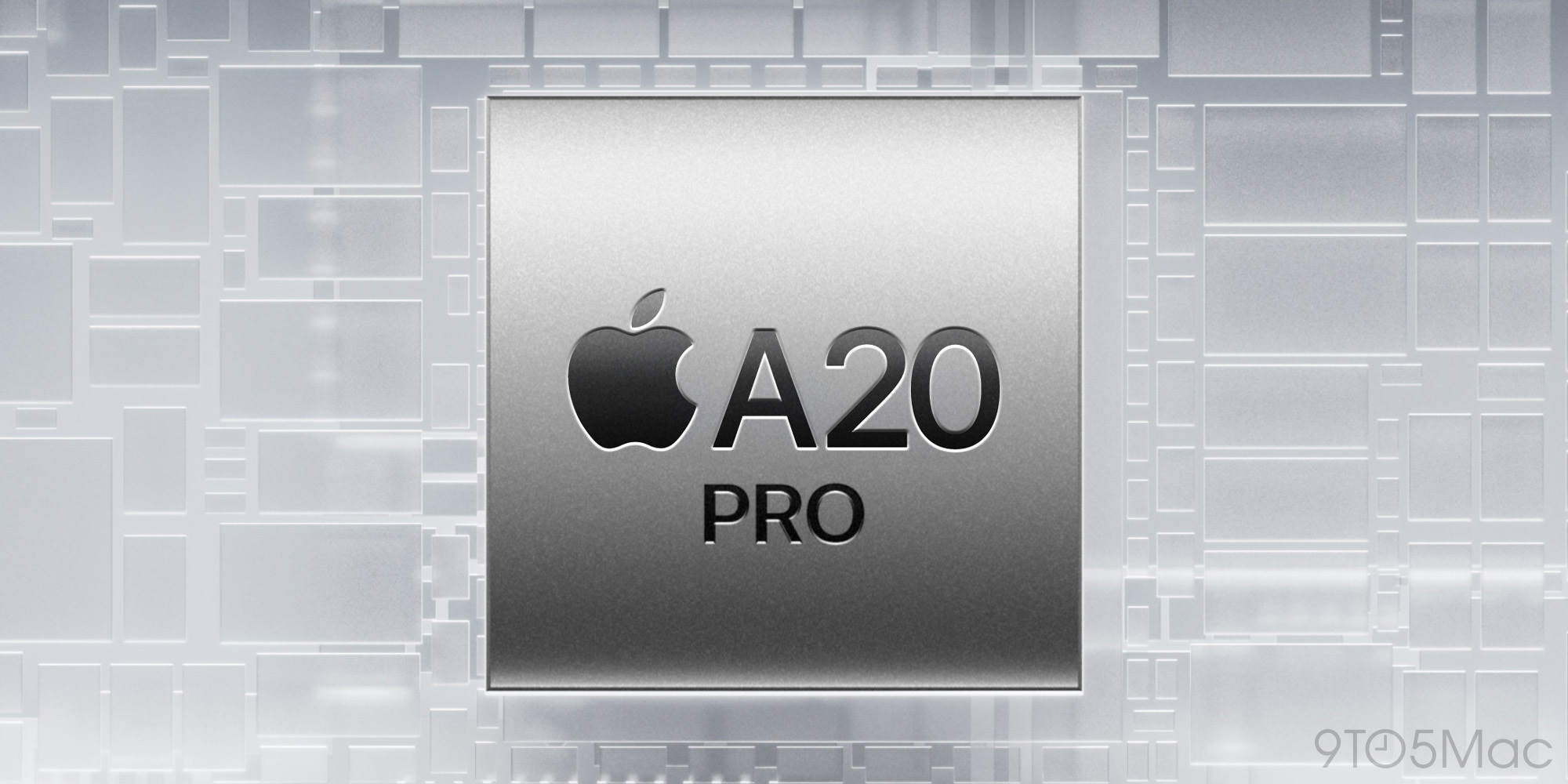
You can always bet on Apple to offer improvements in its latest generation chips. But some years bring bigger upgrades than others, and the new A20 Pro chip is expected to be a standout.
That’s because with A20 Pro, Apple will use TSMC’s new 2-nanometer process for chip fabrication.
The switch to 2nm from the current 3nm process means A20 Pro will be able to offer more power and run more efficiently within a similar-sized chip footprint.
Every time there’s a notable evolution of fabrication technology, we see this play out. That’s why Apple works years in advance to secure TSMC’s most cutting-edge offerings. It helps the company maintain an edge in the chips that power not only iPhone, but also, iPad, Mac, and more.
We don’t know which specific areas Apple will focus on improving with A20 Pro, but thanks to 2nm the company will have more headroom than usual.
#2: Switch to Wafer-Level Multi-Chip Module will bring even more gains

Adding to the gains of 2nm, A20 Pro is also expected to have another unique improvement thanks to a packaging innovation called Wafer-Level Multi-Chip Module.
Here’s my colleague Marcus with the details:
For the first time, Apple is set to adopt Wafer-Level Multi-Chip Module (WMCM) packaging for its iPhone processors. WMCM allows different components, like the SoC and DRAM, to be integrated directly at the wafer level, before being diced into individual chips.
It uses a technique that connects the dies without needing an interposer or substrate, which can bring both thermal and signal integrity benefits.
In other words, Apple’s next-gen chip won’t just be smaller and more power-efficient thanks to…