‘Is it OK to record your visit?’ What to know about doctors and AI scribes
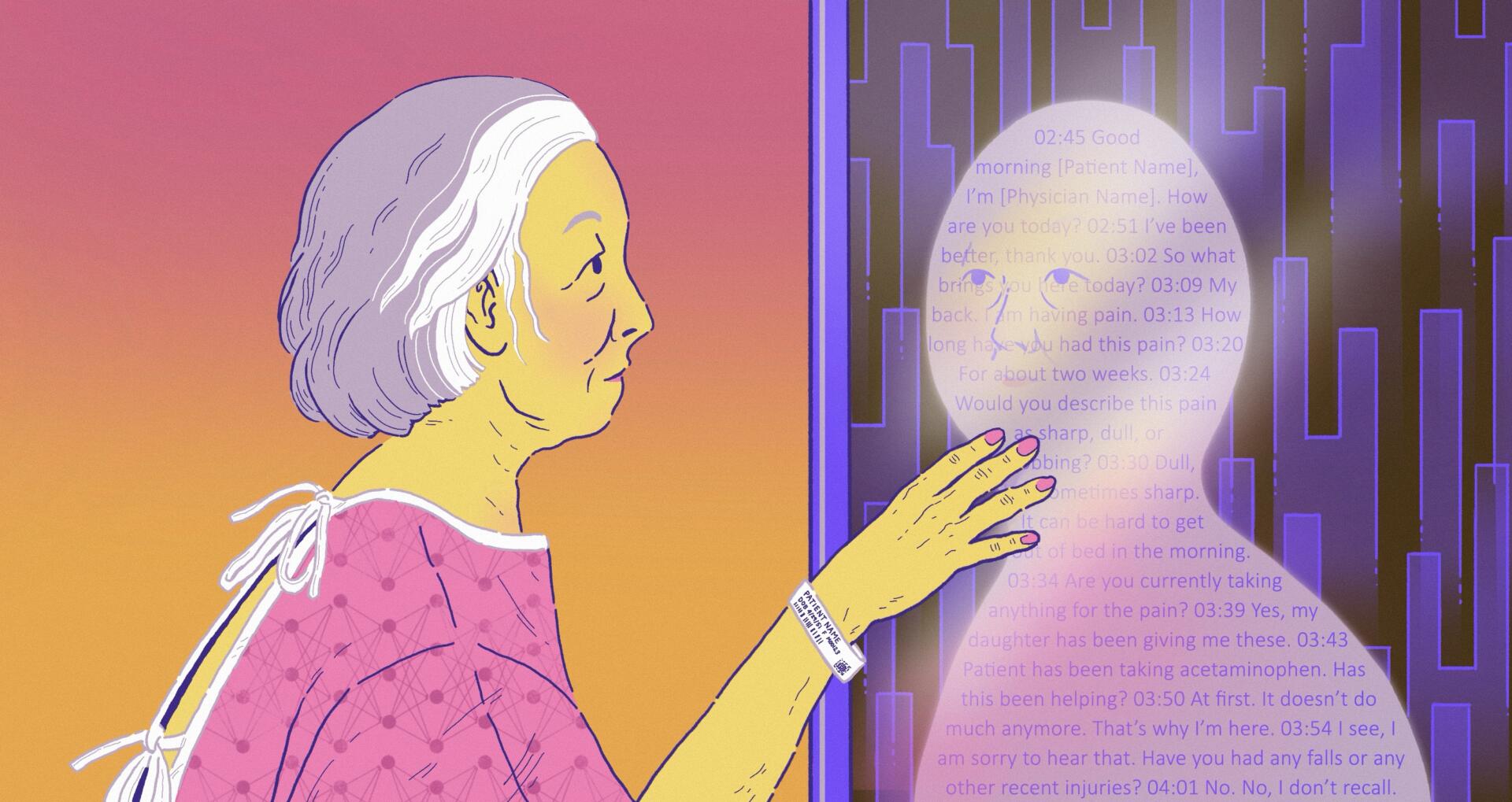
‘Is it OK to record your visit?’ What to know about doctors and AI scribes
https://www.wbur.org/upnext/2026/05/05/artificial-intelligence-primary-care-privacy
Publish Date: 2026-05-05 05:40:00
Source Domain: www.wbur.org
More doctors in Massachusetts are using artificial intelligence to take notes during their patient visits. If the patient consents, an AI app will record, transcribe and summarize the appointment for the person’s medical record and may also assist in billing.
About 28% of U.S. physicians use AI for clinical documentation, medical charts or visit notes, according to the American Medical Association. In its survey of nearly 1,700 doctors, most said they expect the technology will rapidly become more common in the medical field.
At Mass General Brigham, the largest hospital system in Massachusetts, about 3,000 providers use AI scribes regularly.
Dr. Rebecca Mishuris, a practicing primary care physician and chief health information officer at Mass General Brigham, joined WBUR’s Morning Edition to discuss what patients should know about these AI scribes.
Doctors say it puts them back in the room.
“It’s truly transformational technology,” Mishuris said.
She uses the AI assistant because it allows her to be more present with patients, she explained. It saves her from having to multitask — typing information into a computer while talking to a patient or trying to remember key data points to note later. There’s a “sense of security,” she said, that the visit is being captured by the generative AI program.
It might seem ironic, but the AI “removes technology” from the room, Mishuris said, because she’s no longer staring at a screen.
“I’m actually looking only at the patient now,” she said.
Research suggests AI scribes reduce physician burnout.
A 2025 Mass General Brigham study found AI scribes alleviated physician burnout. Of about 1,400 doctors from Mass General Brigham and Emory Healthcare surveyed for the study, researchers found a 21% drop in reports of burnout after using AI scribes.
Doctors who are less burned out provide higher quality care, Mishuris said. One theory is that AI reduces burnout by saving physicians time on paperwork.
“ We hear all…