Ex-FBI lead urges homicide charges against ransomware scum • The Register
Ex-FBI lead urges homicide charges against ransomware scum • The Register
https://www.theregister.com/2026/04/21/exfbi_cyber_chief_urges_felony_charges_ransomware/
Publish Date: 2026-04-21 16:26:00
Source Domain: www.theregister.com
If a cyberattack leads to a death, that’s murder. A former FBI cyber division chief urged the US Justice Department to consider felony homicide charges against ransomware actors when attacks on hospitals lead to patient deaths.
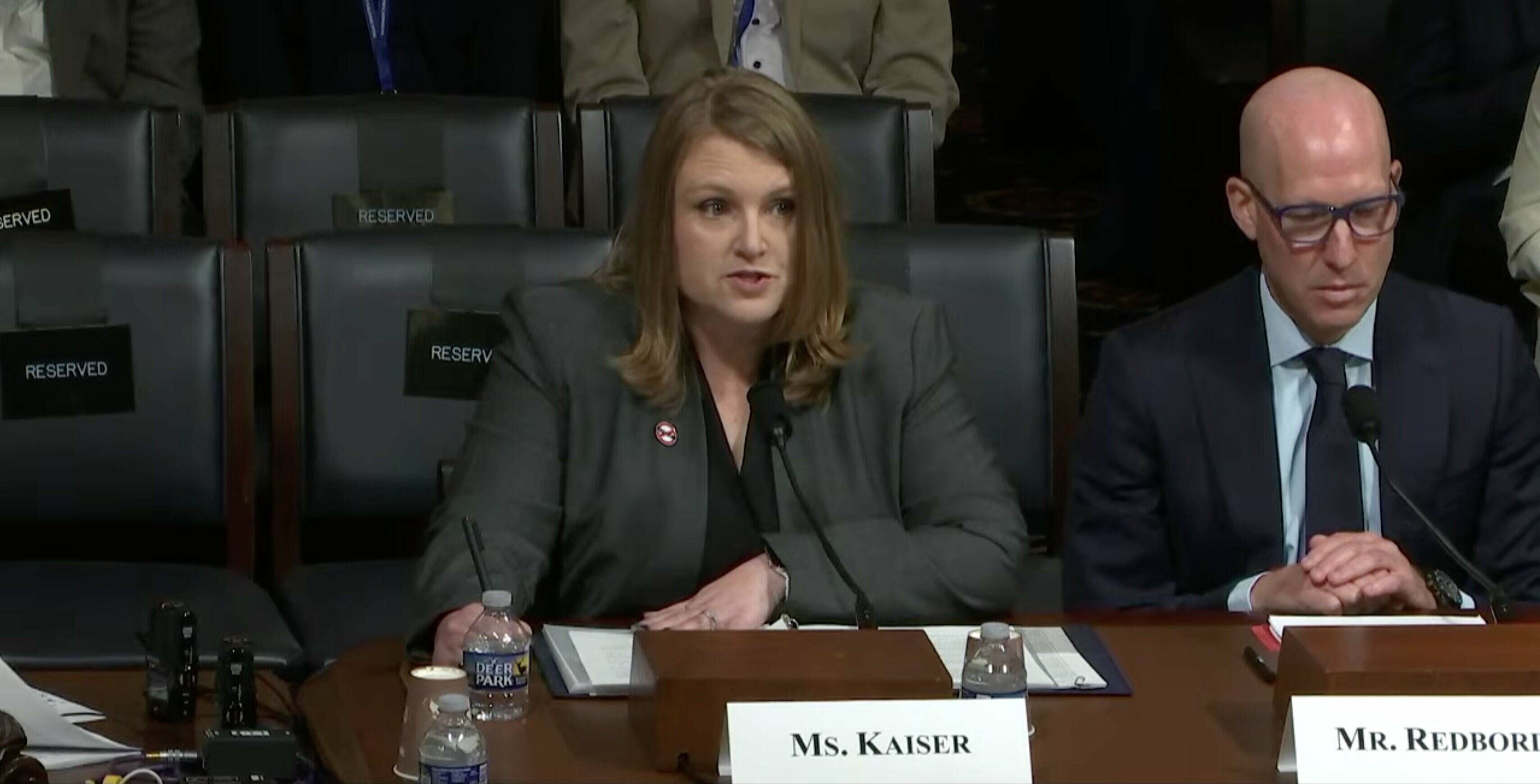
In testimony before a US House of Representatives subcommittee hearing, Cynthia Kaiser, former deputy assistant director of the FBI’s cyber division, implored lawmakers to “champion” the federal government to use three existing legal authorities to go after ransomware criminals who encrypt healthcare networks and systems.
“The gap between the severity of these crimes and the consequences that follow needs to close,” Kaiser, Halcyon Ransomware Research Center SVP, told lawmakers on Tuesday.
Kaiser called on the US State, Justice, and Treasury departments to evaluate terrorism designations for “ransomware actors [who] knowingly and repeatedly target hospitals.”
The gap between the severity of these crimes and the consequences that follow needs to close
She also urged federal prosecutors to evaluate homicide charges when ransomware attacks against healthcare facilities cause patient deaths. “Felony murder law does not require that a defendant pull the trigger, only that they commit a dangerous felony that results in death,” Kaiser said, citing a University of Minnesota study that documented at least 47 deaths attributable to hospital ransomware attacks between 2016 and 2021. “That number is almost certainly in the hundreds today,” she added.
Additionally, Kaiser begged Congress to fully fund and reauthorize the State and Local Cybersecurity Grant Program, which took a hit during the first year of Trump’s second term. The President’s 2027 budget proposal would slash CISA spending by an additional $707 million next fiscal year.
“State and local governments are disproportionately targeted by ransomware, and they often lack…