Wearable Technology’s Growing Role in Monitoring Brain Health
Wearable Technology’s Growing Role in Monitoring Brain Health
https://www.brainandlife.org/articles/wearable-technologys-role-monitoring-brain-health
Publish Date: 2026-04-03 11:07:00
Source Domain: www.brainandlife.org
Shutterstock.com
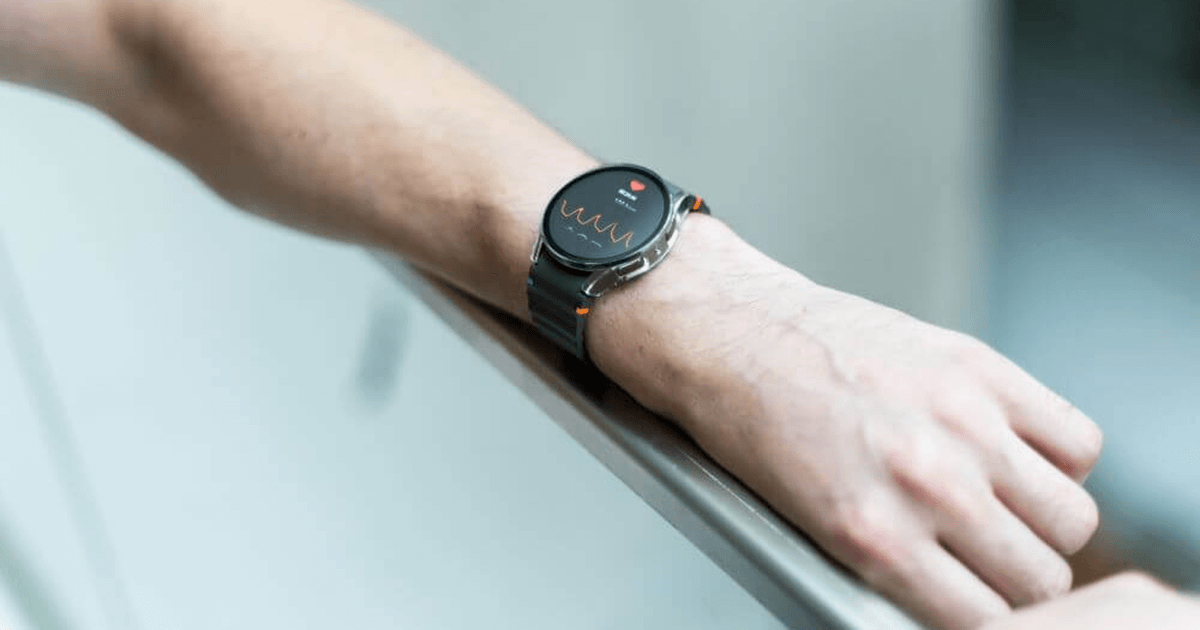
For more than a decade, people have used wearable technology (wearables) like the Oura Ring or Apple Watch to manage their physical and mental health. They track daily steps, heart rate, sleep patterns, and even blood oxygen levels. Now, neurologists are using wearables to help their patients manage chronic conditions such as epilepsy, Parkinson’s disease, and stroke.
Neurologists use the information that the wearable tracks to help them better understand a patient’s conditions and symptoms like seizure, migraine, multiple sclerosis-related fatigue, or Parkinson’s disease mobility change. “This can lead to earlier intervention and better patient engagement,” explains Smita Patel, DO, MS, FAAN, an integrative neurologist and sleep medicine physician at Endeavor Health in Glenview, IL. “[Wearables] can track sleep, circadian rhythm, and heart rate variability, all of which strongly influence neurological function,” she adds.
How Wearables Benefit Brain Health
Anup Patel, MD, FAAN, a professor in clinical pediatrics and neurology at the Ohio State University College of Medicine, encourages patients to use wearables to track health metrics throughout the day. “[The device] helps people to see that their heart rate spikes when they drink alcohol or their blood pressure rises when they eat salty food,” he explains. Research suggests that these wearables can spur behavior change.“Oftentimes, when patients see health consequences in real time, they’re more likely to focus on lifestyle interventions such as eating a heart-healthy diet or engaging in more regular exercise,” Dr. Anup Patel adds.
The wearables track sleep quality, physical activity, and heart rate variability, which all play a role in brain health. Dr. Smita Patel explains that getting seven to nine hours of sleep helps your brain clear out waste and consolidate memories; getting enough daily movement—7,000 to 10,000 steps—improves blood flow to the…