New software safeguards research participants’ privacy – WashU Medicine
New software safeguards research participants’ privacy – WashU Medicine
https://medicine.washu.edu/news/new-software-safeguards-research-participants-privacy/
Publish Date: 2026-04-02 10:46:00
Source Domain: medicine.washu.edu
Visit the News Hub
De-ID allows easy removal of identifiable details from datasets, enabling safe sharing
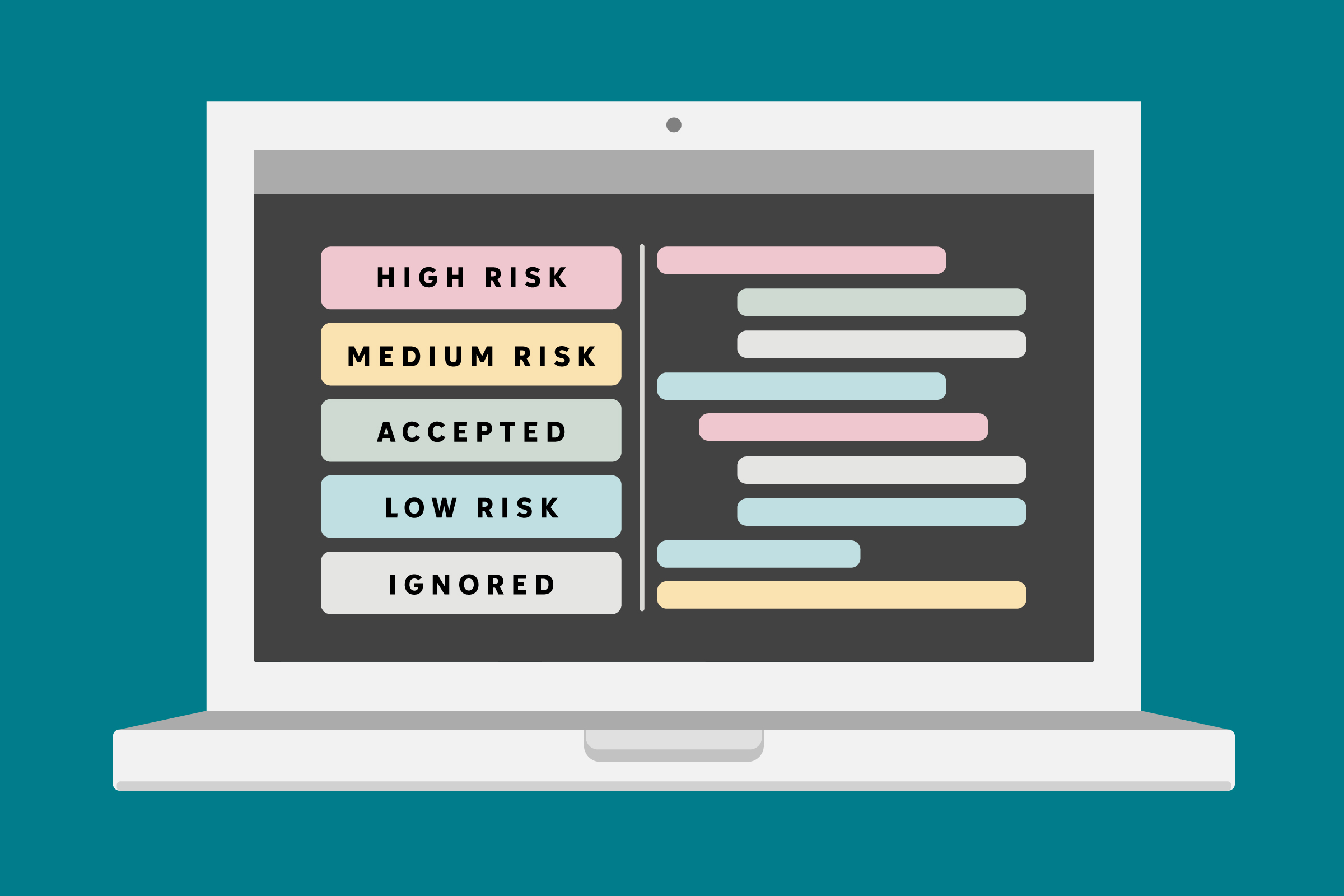
WashU Medicine and University of Michigan researchers developed a software, De-ID, that flags sensitive information in data collected through focus groups, surveys and interviews. It highlights and suggests generic replacements using a color-coding scheme: red for information that has a high risk of identifying someone; yellow for medium-risk information; and blue for low-risk information. Accepted suggestions are highlighted in green, and ignored suggestions in gray.
” data-medium-file=”https://medicine.washu.edu/app/uploads/2026/03/Dubois-De-ID-300×200.jpg” data-large-file=”https://medicine.washu.edu/app/uploads/2026/03/Dubois-De-ID-700×467.jpg”/Sara Moser/WashU Medicine
WashU Medicine and University of Michigan researchers developed a software, De-ID, that flags sensitive information in data collected through focus groups, surveys and interviews. It highlights and suggests generic replacements using a color-coding scheme: red for information that has a high risk of identifying someone; yellow for medium-risk information; and blue for low-risk information. Accepted suggestions are highlighted in green, and ignored suggestions in gray.
Which details in a de-identified scientific record are enough to still identify a person? If, for example, the record includes that a person is a CEO, the abundance of CEOs in the world would make identification nearly impossible. If the person is a CEO living in Missouri, the list becomes notably shorter but likely extensive enough to safeguard identity. But the name of a CEO living in St. Louis and working at a particular company is easy to figure out.
Some scientific research studies collect Alber data — information provided through focus groups, surveys and interviews — that harbor potentially telling information, including cities lived in, work histories, personal anecdotes and other details….