The Ethics of AI Cloning – Who Owns Your Voice and Face?
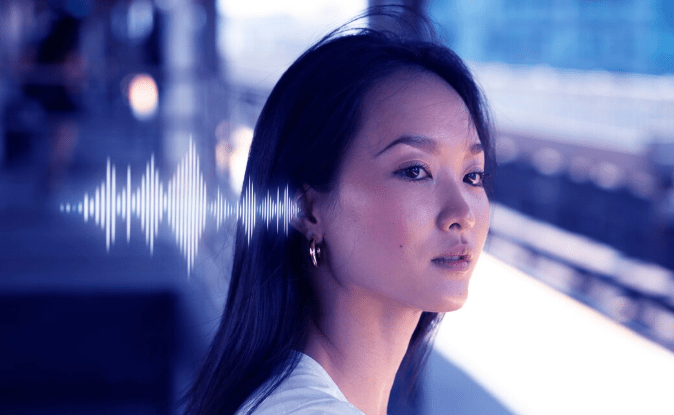
The Ethics of AI Cloning – Who Owns Your Voice and Face?
https://unitewithpriti.co.uk/news/the-ethics-of-ai-cloning-who-owns-your-voice-and-face/
Publish Date: 2026-03-29 20:17:00
Source Domain: unitewithpriti.co.uk
The Ethics of AI Cloning: Who Owns Your Voice and Face?
A short audio clip can now replicate a human voice convincingly enough to fool a listener on a quiet afternoon, something that previously required a full recording studio. Sometimes it’s just a few seconds of speech taken from a social media video or podcast.
According to reports, contemporary AI systems are capable of capturing not only words but also tone, rhythm, and even hesitation—details that give a voice a distinctly human quality. It’s amazing how precise that is. It’s also uncomfortable.
| Category | Details |
|---|---|
| Topic | AI Voice & Face Cloning Ethics |
| Field | Artificial Intelligence, Digital Rights, Media Ethics |
| Key Concern | Consent, identity ownership, misuse, fraud |
| Core Technology | Voice synthesis, facial deepfakes, neural networks |
| Credible Organizations | European Union, Forbes, The Conversation |
| Reference Links | https://www.forbes.com ; https://theconversation.com ; https://arxiv.org |
The ethical discussion surrounding AI cloning—whether of voice or face—has swiftly transitioned from theory to practice. Once-experimental tools are now widely available and utilized in everything from customer service systems to movie dubbing. Alongside these useful applications, however, a more subdued question keeps coming up: once a person’s likeness can be digitally replicated, who really owns it?
Although it’s not always clear-cut, consent is at the heart of that question. Researchers’ and businesses’ guidelines stress that voice cloning should only take place with explicit, informed consent. However, in reality, the lines are hazy. Public figures are especially vulnerable because their voices and faces are already widely accessible. Many ethicists contend that availability does not equate to permission, but technology does not always make this distinction.
This tension is becoming evident in an increasing number of incidents. The Conversation’s analysts have detailed instances in which scammers used cloned voices to…