Cybersecurity’s Hidden Human Problem – Forbes Israel
Cybersecurity’s Hidden Human Problem – Forbes Israel
https://forbes.co.il/e/cybersecuritys-hidden-human-problem/
Publish Date: 2026-03-15 10:25:00
Source Domain: forbes.co.il
While cybersecurity is often framed as a technical challenge, many of the industry’s biggest problems are increasingly human.
Those who follow my show know that I speak to many cybersecurity founders.
While the explosion of AI has certainly made the sector a fascinating place for technical discussions, there are also many areas where we can explore the human side of cybersecurity.
Take security operations centers (SOCs), for example. These SOCs operate within large organizations that rely on dozens of monitoring tools to detect suspicious activity across networks, devices, and identity systems. Each system generates alerts when something unusual occurs.
In theory, those alerts help security teams identify attacks early. But in practice, they can overwhelm the people responsible for responding.
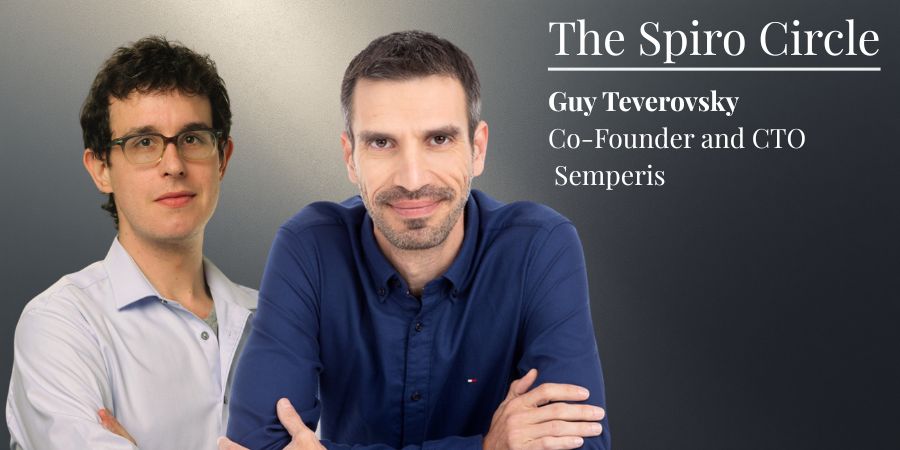
“Over time, this became overwhelming,” said Guy Teverovsky, co-founder and CTO of Semperis. “We have been hearing from multiple customers that they are drowning under the amount of different alerts from different solutions.”
Organizations are now collecting so much security data that analysts often struggle to determine which alerts represent genuine threats and which are harmless anomalies. The change in new age cybersecurity means that challenges are not only technical, but they can have a lasting impact on the stress levels of industry workers.
Teverovsky said that when security teams face thousands of alerts every day, their most valuable resource becomes the ability to prioritize. Missing the one critical signal buried in a sea of warnings can allow attackers to escalate privileges, move through networks, or disrupt key infrastructure.
“Prioritization becomes critical,” he explained. “You have to surface the most critical findings… otherwise you’re in a big problem.”
That pressure has pushed many cybersecurity companies to rethink how alerts are generated and delivered. Instead of flooding analysts…