Embracing chaos to enhance cybersecurity of medical images • healthcare-in-europe.com
Embracing chaos to enhance cybersecurity of medical images • healthcare-in-europe.com
https://healthcare-in-europe.com/en/news/cybersecurity-chaos-theory-medical-data-encryption.html
Publish Date: 2026-03-12 08:02:00
Source Domain: healthcare-in-europe.com
The process meets modern expectations for data security and adds an extra layer of protection, even when older equipment or external suppliers create risks
Jawaid Iqbal
Dr Hassan Malik, Associate Professor in Computing Sciences at UEA, said: “Over the past two years, multiple high profile cyber incidents – such as 2024’s Synnovis ransomware attack, which cost the NHS around £30 million and crippled pathology services – have revealed just how vulnerable UK healthcare systems remain. “We designed image level protection so that even if attackers reach hospital systems, the images themselves stay protected. With our approach, every scan becomes its own fortress.”
Recent incidents across the NHS have shown that attackers often reach clinical or administrative systems via third party software, supplier vulnerabilities, outdated radiology equipment, or cross trust data exchange. Once inside a network, unencrypted medical images can be accessed, copied, or leaked within minutes.
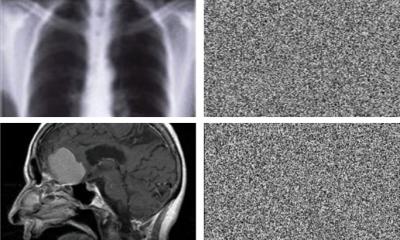
Image level encryption changes the situation entirely. Even if attackers breach a server, intercept a transfer, or access a PACS archive, the images remain unreadable without the key. Jawaid Iqbal, Associate Professor at Riphah International University, Pakistan, said: “This approach helps keep private medical details safe and limits the damage hackers can cause if they get into hospital systems. The process meets modern expectations for data security and adds an extra layer of protection, even when older equipment or external suppliers create risks.”
The method is designed to complement, rather than replace existing NHS cyber security measures, adding an extra layer of protection to some of the most sensitive data the NHS holds.