Tucson’s Tech Moment: How technology is shaping up in Tucson | News

Tucson’s Tech Moment: How technology is shaping up in Tucson | News
Publish Date: 2026-03-06 15:00:00
Source Domain: www.insidetucsonbusiness.com
Tucson has long been a technology town — anchored by defense, space and optical sciences — but the rise of artificial intelligence is changing what “tech” means here and how fast the sector is evolving.
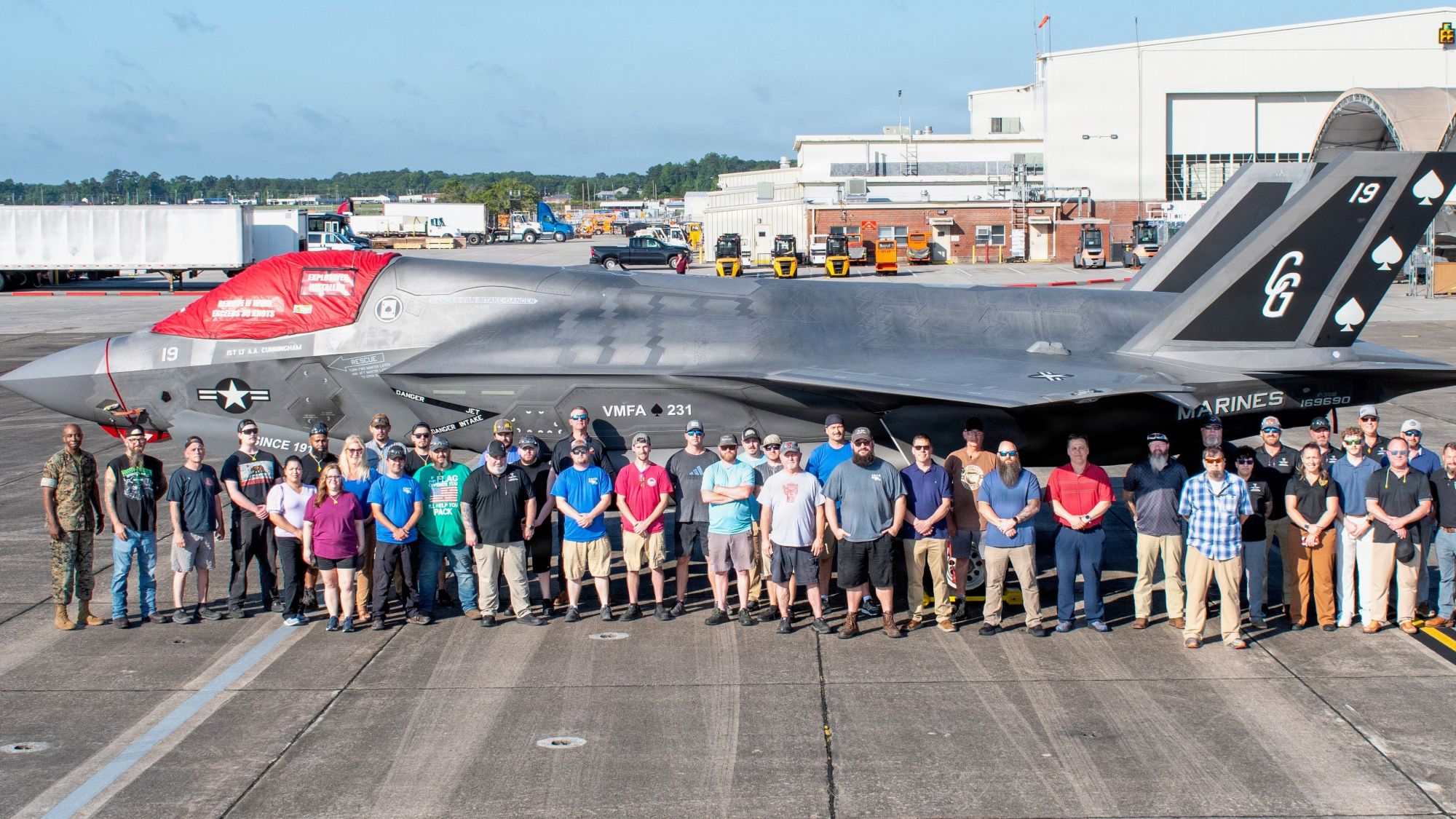
The region’s backbone remains large, mission-driven employers. Raytheon’s Tucson operation continues to function as an economic engine for Southern Arizona, with the company profile highlighting a multibillion-dollar annual economic impact tied to the site’s activity and supply chain. Those defense programs increasingly depend on software, modeling, autonomy and advanced manufacturing — all areas where AI is becoming a force multiplier, from accelerating design cycles to improving quality control on production lines.
At the same time, Tucson’s next wave is being built in the “in-between” spaces: research commercialization, startup growth and specialized industrial campuses. Tech Parks Arizona — which includes the UA Tech Park and UA Tech Park at The Bridges — has become a central hub for that kind of scaling, reporting more than 100 companies and about 6,000 “knowledge workers,” along with an estimated $2 billion in annual economic impact and $52.8 million in state and local tax revenues. The same Tech Parks Arizona overview also points to a growing startup pipeline, noting 70 to 80 startups connected to the University of Arizona Center for Innovation network.
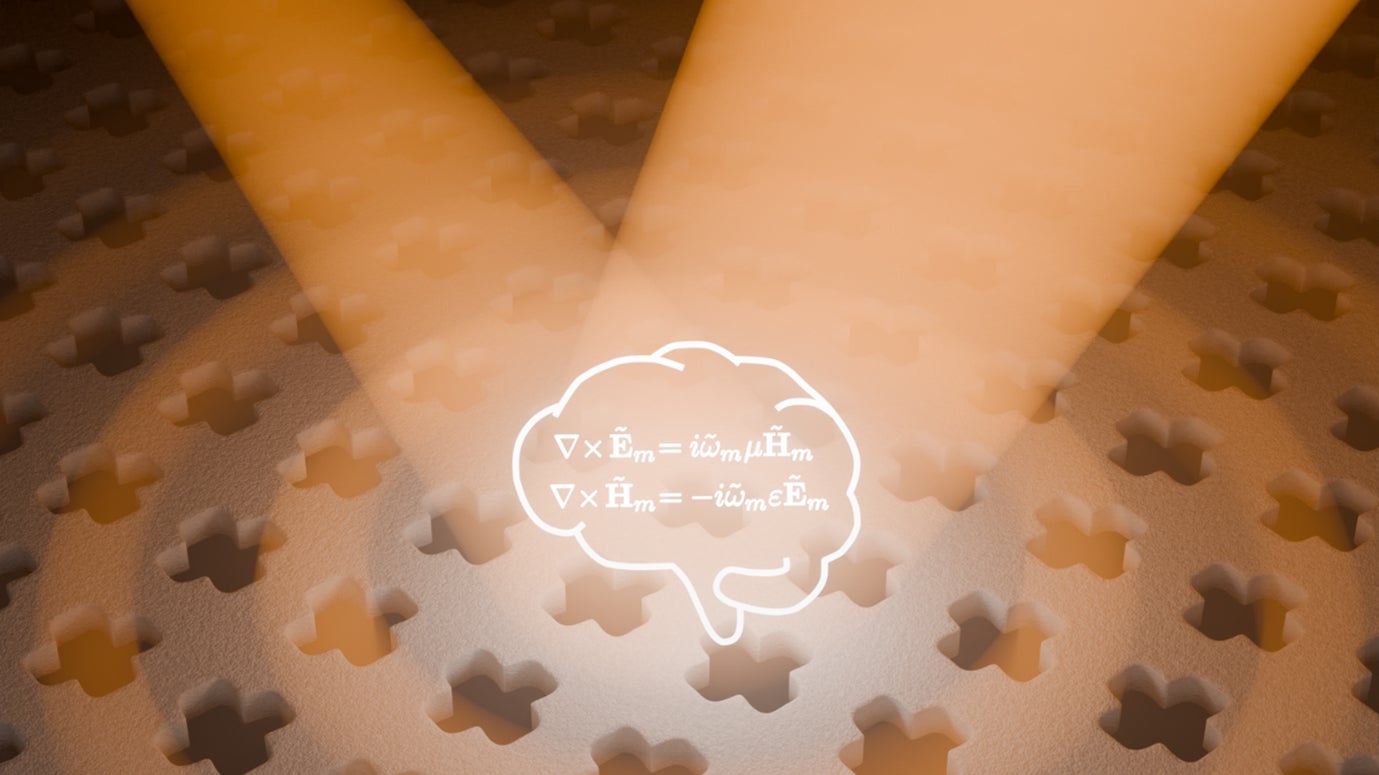
That blend — major employers plus a campus-to-market ecosystem — matters because AI is pushing every tech subsector to modernize at once. Companies that once competed mostly on hardware or domain expertise are now expected to deliver intelligent software layers: predictive maintenance in aerospace, machine vision in manufacturing, decision-support tools in health care, and automation in logistics. In practical terms, AI is changing hiring needs…