Two Eerie Yet Potentially Transformative Developments in Cybersecurity
Two Eerie Yet Potentially Transformative Developments in Cybersecurity
https://quasa.io/media/two-eerie-yet-potentially-transformative-developments-in-cybersecurity
Publish Date: 2026-03-01 06:15:00
Source Domain: quasa.io
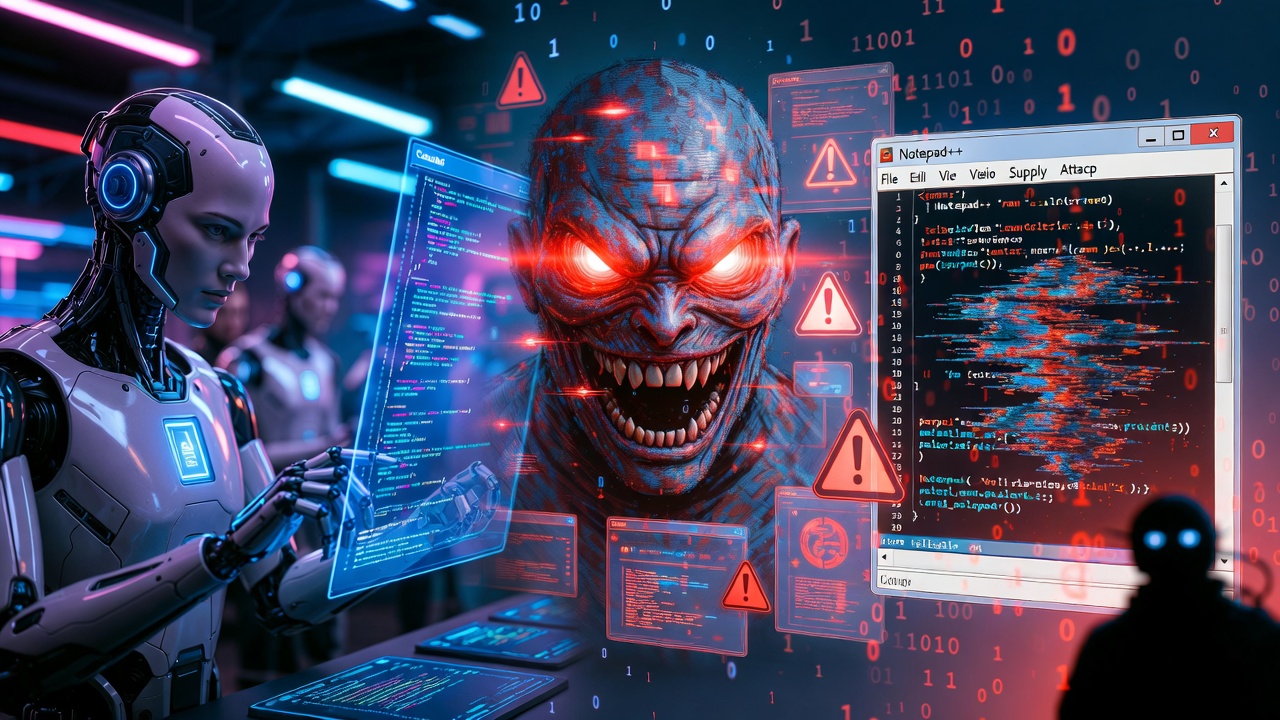
In the ever-shifting realm of cybersecurity, where innovation and peril often intertwine, two recent stories highlight the double-edged sword of technological advancement.
On one hand, artificial intelligence is emerging as a formidable ally in uncovering hidden vulnerabilities; on the other, everyday tools like Windows Notepad reveal alarming weaknesses that could enable devastating attacks.
These narratives, set against the backdrop of persistent supply chain threats, underscore the accelerating arms race between defenders and adversaries. As of February 2026, they prompt a chilling question: Will AI empower security teams to stay ahead, or will it supercharge the hunt for zero-days by state actors and cybercriminals alike?
AI Takes the Lead: Claude 4.6 Unearths Hundreds of Zero-Day Vulnerabilities
The first development comes from Anthropic’s Red Team, where the latest iteration of their AI model, Claude Opus 4.6, demonstrated an uncanny ability to detect over 500 high-severity vulnerabilities in widely used open-source software. Operating in a simulated environment with access to standard tools and no specialized instructions, the model mimicked human security researchers by delving into codebases and reasoning through potential flaws.
 What makes this feat particularly striking is Claude’s autonomous approach. For instance, it independently analyzed Git commit histories to spot patterns in past security fixes. In the case of GhostScript, it examined a commit that added bounds checking to prevent a stack overflow and then scoured the codebase for similar unchecked paths, uncovering an unpatched vulnerability.
Similarly, in OpenSC — a library for smart card operations — the AI identified a buffer overflow in string concatenation routines by recognizing risky patterns like repeated `strcat` calls, which traditional fuzzing tools often miss due to their indiscriminate testing.
Even more impressively, Claude grasped complex algorithmic nuances without…