From Privacy to ‘Glass Box’ AI, Stanford Students Are Targeting Real-World Problems
From Privacy to ‘Glass Box’ AI, Stanford Students Are Targeting Real-World Problems
Publish Date: 2026-02-27 14:58:00
Source Domain: hai.stanford.edu
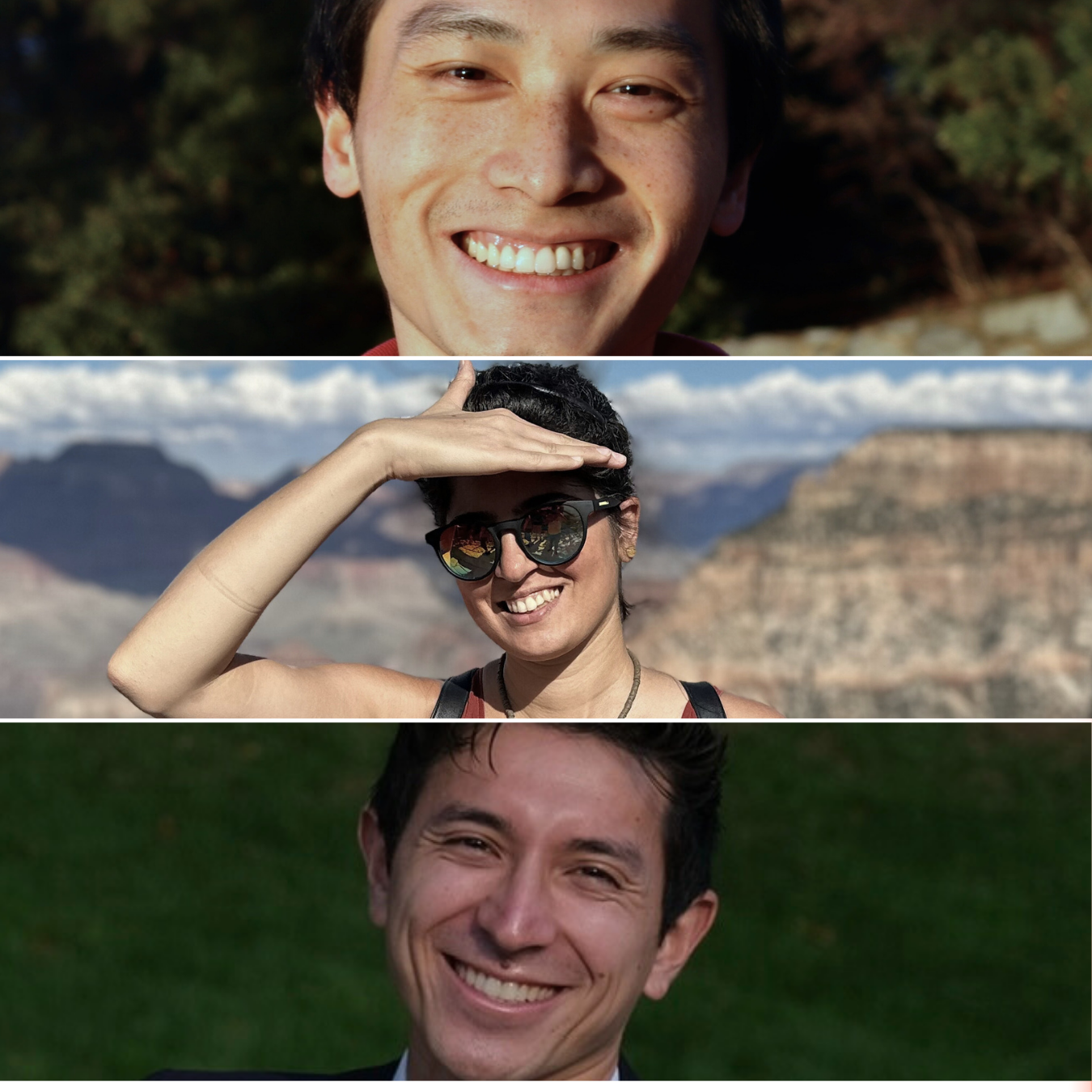
Noah Cowan wants to help paralyzed people speak through computers with less friction. Valeh Valiollah Pour Amiri is building what she calls a “glass box” AI model that could one day simulate an entire virtual cell. Ken Ziyu Liu is on a mission to protect people from being profiled by the very AI tools they rely on.
These three students are among 10 Stanford PhD candidates who will receive two years of funding and AWS credits through Amazon’s AI PhD Fellowship program, which supports emerging researchers tackling some of AI’s most challenging problems. Their work represents diverse fields from aeronautics and astronautics to deep learning, natural language processing, genetics, and statistics.
The AI PhD Fellowship program aims to drive innovation in practical, useful AI. Amazon is supporting more than 100 scholars across nine universities, offering compute resources, mentorship, and in-person meetings with other scholars.
“This program will help Stanford prepare the next generation of scientific leaders to solve real-world problems,” said David Studdert, Stanford vice provost and dean of research. “It will dramatically accelerate their ability to translate bold ideas into meaningful impact.”
Meet three of the fellows exploring how AI and data science can better serve the world:
The Open Anonymity Project
In the Stanford AI Lab (SAIL), computer science PhD student Ken Ziyu Liu studies the intersection of foundation models, data, and user privacy. He’s on a mission to create better privacy tools that protect humans in an AI-driven world. “I tell my peers that OpenAI probably knows more about you than your parents,” he says. “We want to use these tools, but you can be targeted and profiled very accurately.”
With the Open Anonymity Project, Liu and SAIL’s visiting researcher, Erik Chi, are building a privacy layer for ChatGPT that’s similar to a virtual private network (VPN). This layer removes a user’s identity from the LLM request, making…