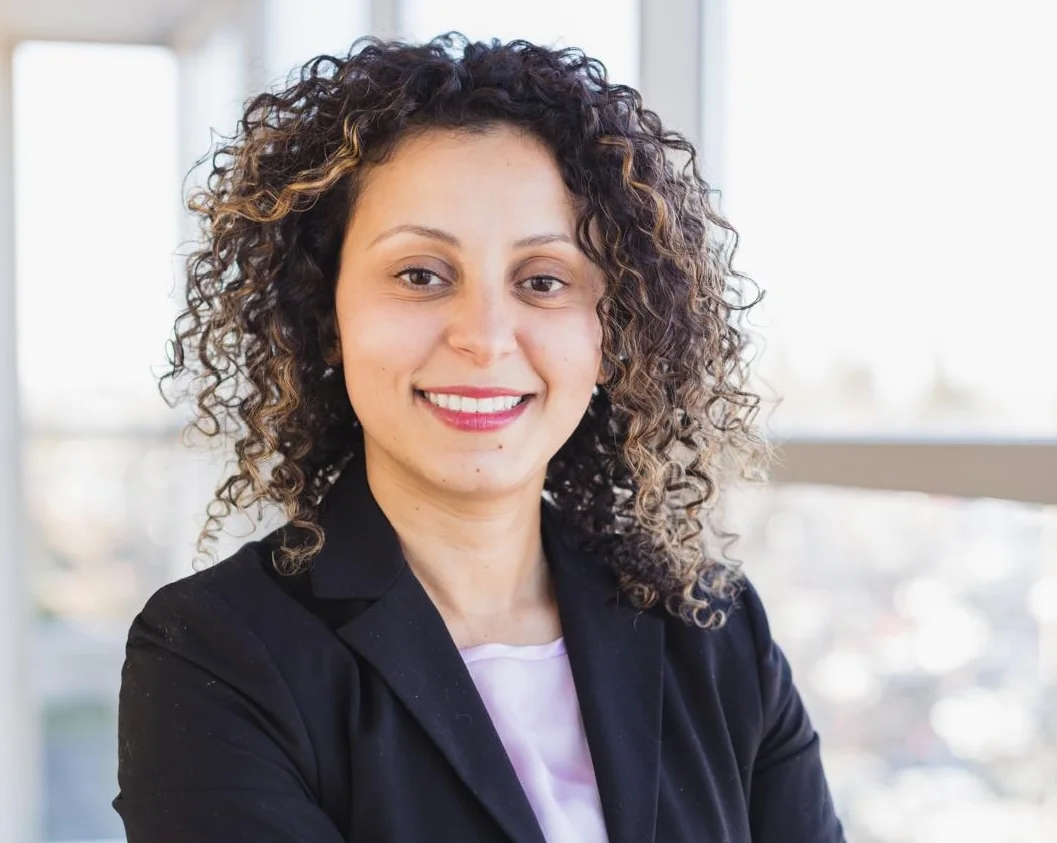
Nebraska’s new cyber chief says CISOs should stop saying no

Nebraska’s new cyber chief says CISOs should stop saying no
https://statescoop.com/nebraska-ciso-bryce-bailey/
Publish Date: 2026-02-26 17:48:00
Source Domain: statescoop.com
After being named Nebraska’s interim chief information security officer last month, Bryce Bailey on Tuesday lost his interim status and will serve as the state’s top cybersecurity official for the foreseeable future.
Bailey joined the Nebraska state government as its deputy CISO last June after departing the Cybersecurity and Infrastructure Security Agency, where he’d spent 18 months working on cybersecurity initiatives “foreign and domestic,” he said in an interview. In Nebraska, Bailey said he wants to “take cybersecurity to the next level,” a goal that includes bolstering the state’s cyber workforce, changing cybersecurity’s image and amassing enough data to demonstrate to government policymakers that cyber programs, like the federal State and Local Cybersecurity Grant Program, are worth keeping.
Census estimates in 2024 showed that Nebraska had finally surpassed 2 million residents, a sign of modest growth that nonetheless leaves it as one of the nation’s smaller states, ranked between Idaho and West Virginia. A majority of Nebraskans, Bailey pointed out, live in the east, near Omaha and Lincoln, but his vision for incubating cyber talent, not only for the state government but the state generally, includes smaller, rural communities: “I’m thinking about those kids out in Grand Island or Scottsbluff, where they can learn to protect or defend a network before they even graduate high school and then they stay out there. And that’s a win for Nebraska 10 years from now.”
A growing number of state governments, including Nebraska, have partnered with community, technical and state colleges in an attempt to develop cybersecurity talent and in some cases provide internships with government agencies, a symbiosis widely lauded but perhaps not adequate to fill all of the nation’s open cyber roles. Bailey said that by starting earlier, in K-12 school districts, the state might harness the rebellious energy of youth:…