Police AI chief admits crime-fighting tech will have bias but vows to tackle it | AI (artificial intelligence)
Publish Date: 2026-02-24 02:46:00
Source Domain: www.theguardian.com
A police chief has admitted artificial intelligence used to boost crime fighting will contain bias but pledged to combat the risks.
Labour wants a dramatic expansion of police use of AI within England and Wales, with police chiefs also believing it could help keep law enforcement up to date with new criminal threats.
Alex Murray told the Guardian that a new national police AI centre would recognise the risks of bias and minimise them.
Bias in use of AI in policing could result in instances where algorithms – often trained on historical data reflecting past human prejudices – systematically produce unfair outcomes, such as overtargeting minority communities or misidentifying individuals based on race, gender, or socioeconomic status.
Murray, the director of threat leadership with the National Crime Agency, and the national lead for AI, said: “Once you’ve recognised and minimised [bias], how do you train officers to deal with outputs to ensure that it is further minimised?
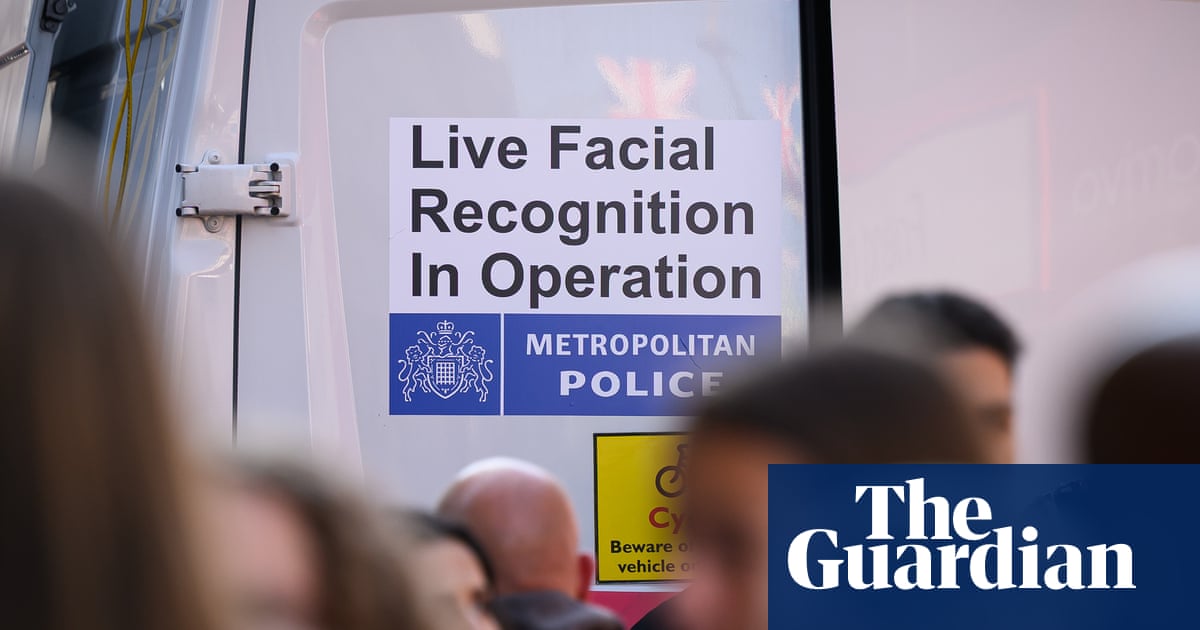
“If you talk about live facial recognition or predictive policing, there will be bias, and you need to get in the data scientists and the data engineers to clean the data, to train the model appropriately, and then to test it.
“There is no point releasing something to policing that has bias in it that’s not recognised, and everything should be done to minimise it to a level where it can be understood and mitigated.”
Examples of bias have already surfaced in the police use of retrospective facial recognition, which is powered by AI. That is where a suspect is compared with a database of images after a crime.
Alex Murray of the National Crime Agency.
Live facial recognition, which is more controversial and is used less by policing, hunts for suspects in real time, and also contains bias. A report in December found that a retrospective facial recognition system used by police had been used with inadequate safeguards.
The Association of Police and Crime Commissioners (APCC), which oversees…