Anthropic rolls out embedded security scanning for Claude
Anthropic rolls out embedded security scanning for Claude
https://cyberscoop.com/anthropic-claude-code-security-automated-security-review/
Publish Date: 2026-02-20 16:41:00
Source Domain: cyberscoop.com
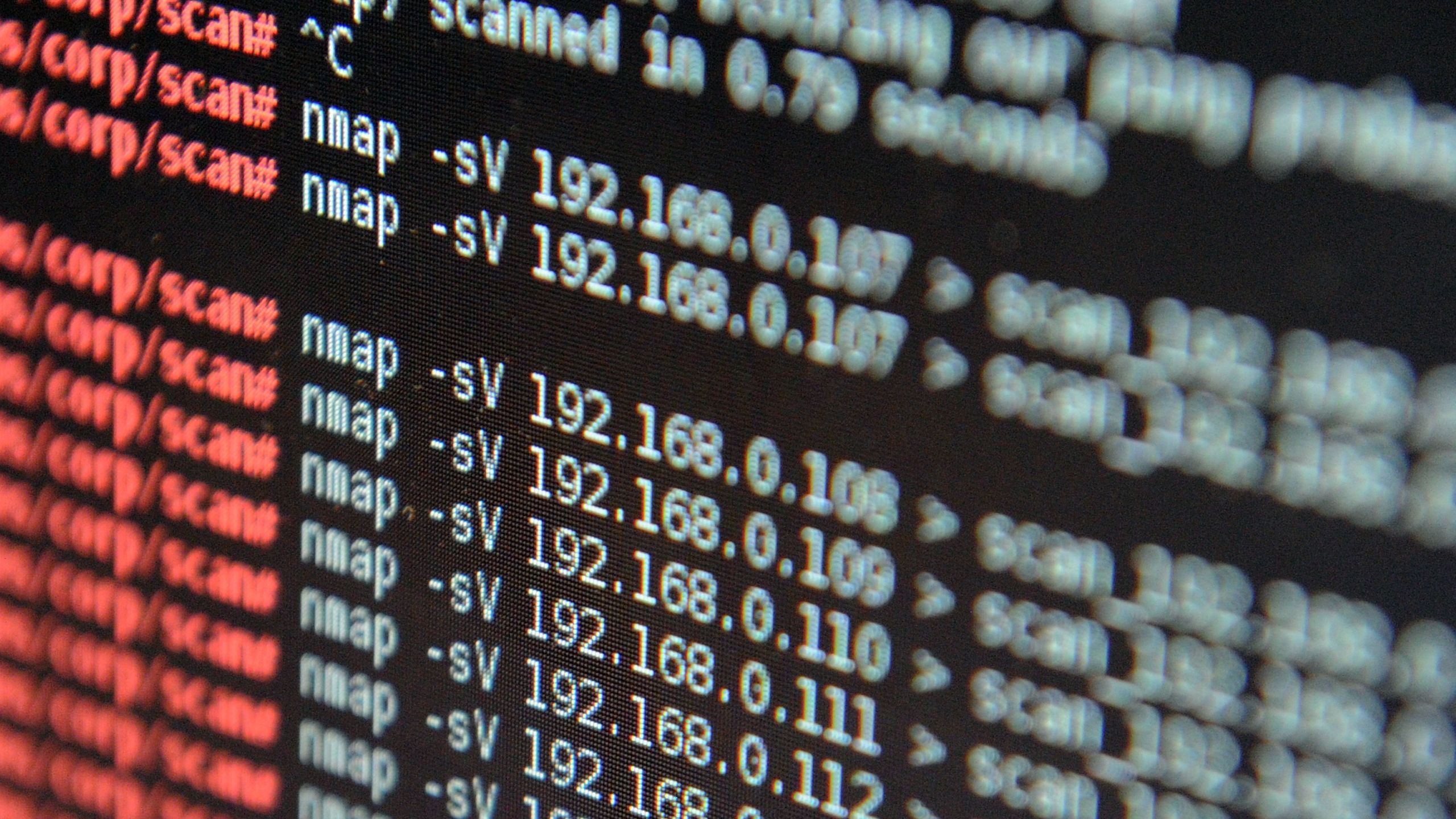
Anthropic is rolling out a new security feature for Claude Code that can scan a user’s software codebases for vulnerabilities and suggest patching solutions.
The company announced Friday that Claude Code Security will initially be available to a limited number of enterprise and team customers for testing. That follows more than a year of stress-testing by the internal red teamers, competing in cybersecurity Capture the Flag contests and working with Pacific Northwest National Laboratory to refine the accuracy of the tool’s scanning features.
Large language models have shown increasing promise at both code generation and cybersecurity tasks over the past two years, speeding up the software development process but also lowering the technical bar required to create new websites, apps and other digital tools.
“We expect that a significant share of the world’s code will be scanned by AI in the near future, given how effective models have become at finding long-hidden bugs and security issues,” the company wrote in a blog post.
Those same capabilities also let bad actors scan a victim’s IT environment faster to find weaknesses they can exploit. Anthropic is betting that as “vibe coding” becomes more widespread, the demand for automated vulnerability scanning will pass the need for manual security reviews.
As more people use AI to generate their software and applications, an embedded vulnerability scanner could potentially reduce the number of vulnerabilities that come with it. The goal is to reduce large chunks of the software security review process to a few clicks, with the user approving any patching or changes prior to deployment.
Anthropic claims that Claude Code Security “reads and reasons about your code the way a human researcher would,” showing an understanding of how different software components interact, tracing the flow of data and catching major bugs that can be missed with traditional forms of static…