NASA clears iPhone use for ISS and Artemis II missions
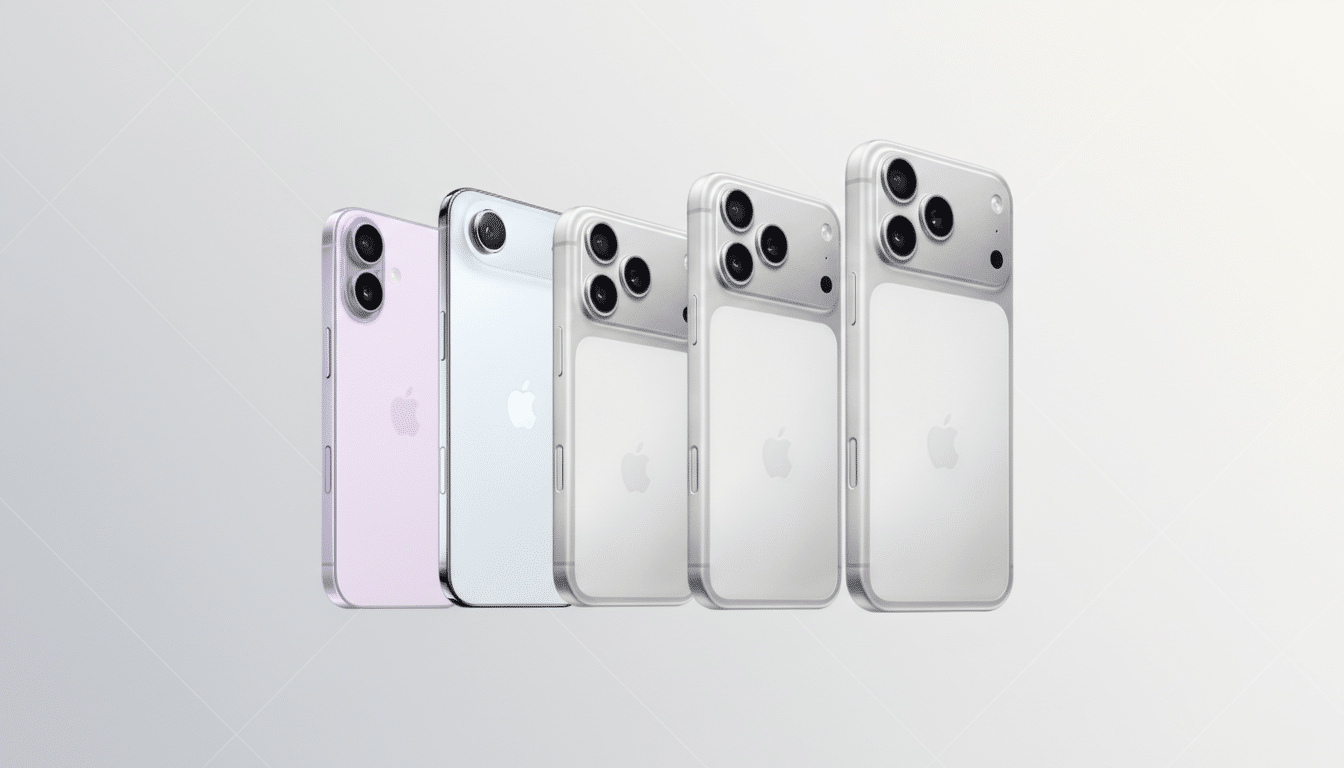
NASA clears iPhone use for ISS and Artemis II missions
https://www.findarticles.com/nasa-clears-iphone-use-for-iss-and-artemis-ii-missions/
Publish Date: 2026-02-09 07:10:00
Source Domain: www.findarticles.com
Apple’s iPhone just received an unlikely new destination: space. NASA has cleared astronauts to bring smartphones aboard upcoming missions, beginning with SpaceX Crew-12 to the International Space Station and the Artemis II lunar flyby, marking the first time iPhones will be officially permitted as crew-carried devices alongside traditional flight hardware.
Agency officials framed the move as a practical and human-centered decision, enabling crews to capture personal moments for families and share candid imagery with the public without relying solely on bulkier, mission-issued cameras. NASA did not specify which iPhone models are approved, underscoring that final selections must pass standard safety and compatibility reviews before launch.

Why NASA is allowing iPhones on ISS and lunar flights
Consumer devices have matured to the point where their imaging capabilities rival dedicated cameras for many tasks. Recent iPhones feature high-resolution sensors, advanced computational photography, and professional video formats that can deliver broadcast-quality footage with minimal setup. For crews with limited off-duty time, the best camera is the one already in a pocket or stowed in a soft pouch.
There’s also a strong outreach rationale. NASA’s social channels reach tens of millions, and spontaneous, first-person content consistently drives engagement. Astronaut-shot phone clips from inside a Crew Dragon cabin or Orion spacecraft could translate complex missions into relatable human stories—something the agency views as critical as it prepares to return astronauts to the vicinity of the Moon.
What astronauts can and cannot do with phones in spacecraft
These phones will be used inside pressurized spacecraft and station modules, not during spacewalks. Cellular service doesn’t exist in orbit or cislunar space, so devices will operate offline or on internal networks as allowed. Crews can record stills and video, log notes, and use preloaded tools;…