Italian university La Sapienza still offline to mitigate recent cyber attack
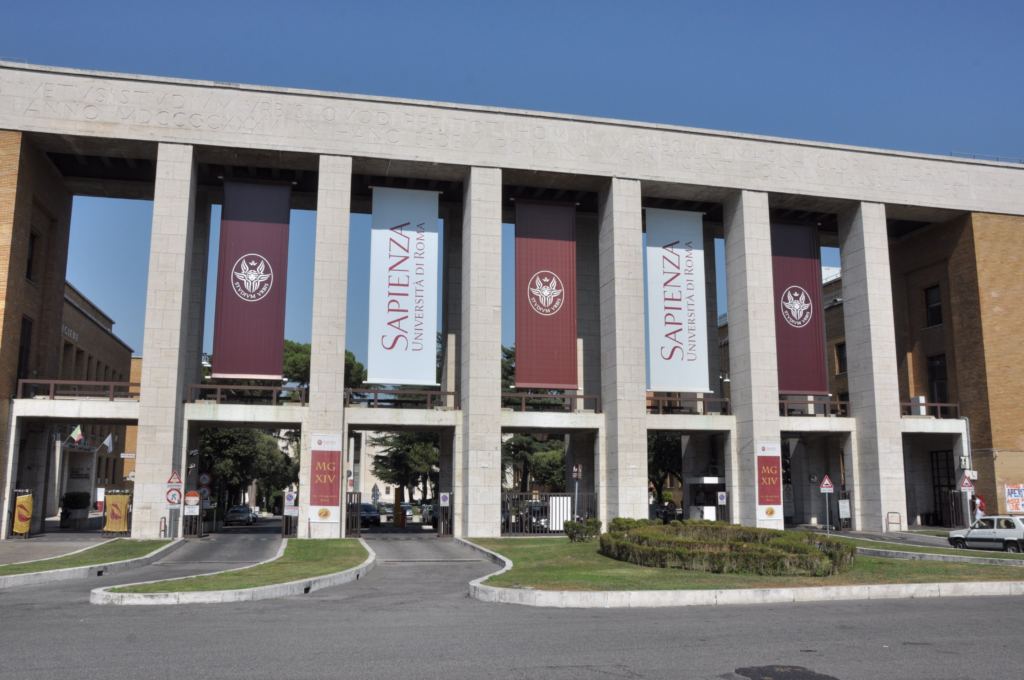
Italian university La Sapienza still offline to mitigate recent cyber attack
Publish Date: 2026-02-07 13:10:00
Source Domain: securityaffairs.com
Italian university La Sapienza still offline to mitigate recent cyber attack
Pierluigi Paganini
 February 07, 2026

Rome’s La Sapienza University was hit by a cyberattack that disrupted IT systems and caused widespread operational issues.
Since February 2, Rome’s La Sapienza University, one of the most important Italian universities, has been offline due to a cyberattack. For days, students have been unable to book exams, check tuition payments, or access faculty contacts. The university has mainly communicated via social media, offering limited details and no clear timeline for full restoration.
The university only confirmed it was a victim of a cyber attack, it also added that was forced to shut down its infrastructure to mitigate the attack and prevent the threat from spreading, a circumstance that suggests a ransomware attack.
“As a precautionary measure, and in order to ensure the integrity and security of data, an immediate shutdown of network systems has been ordered,” the organization said.
Public reports confirm that the University suffered a ransomware attack that disrupted its operations. Some media reported that a new Russian cybercrime group tracked as Femwar02 is behind the attack
““What appears certain is the use of a next-generation ransomware strain known as ‘Bablock,’ the most widely used and destructive in 2025. The same malware was allegedly used by the previously unknown ‘Femwar02’ crew to breach Sapienza University’s IT systems two days ago and bring them to a standstill.” reported the Italian media outlet La Stampa. “This form of extortion malware, employed by criminal groups, typically avoids encrypting devices set to Russian or other post-Soviet languages, which has fueled concrete suspicions—confirmed by investigators—that the attack on Europe’s largest university by enrollment, with around 122,000 students, was carried out by…