Samsung Confirms S26 Ultra Privacy Display
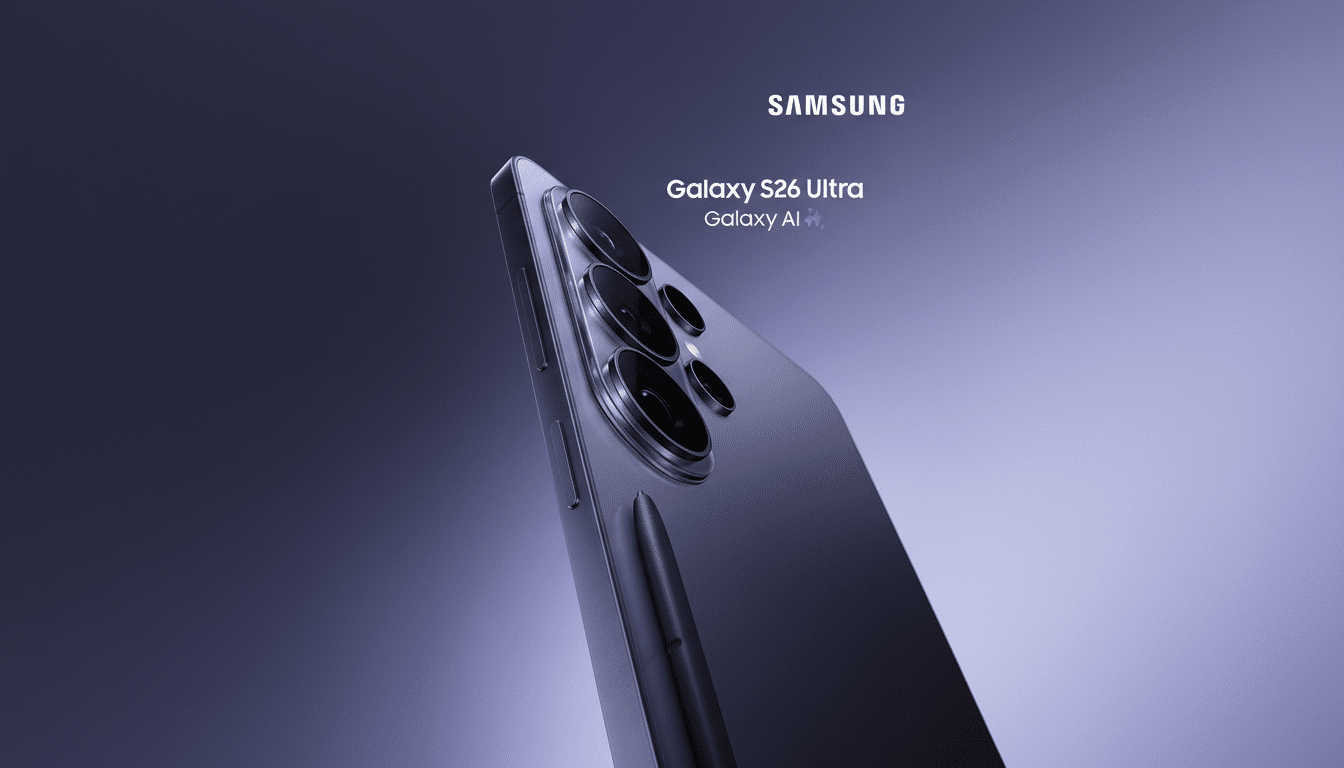
Samsung Confirms S26 Ultra Privacy Display
https://www.findarticles.com/samsung-confirms-s26-ultra-privacy-display/
Publish Date: 2026-02-02 12:01:00
Source Domain: www.findarticles.com
Samsung has confirmed a built-in Privacy Display for the Galaxy S26 Ultra, and it’s exactly the kind of practical innovation phone users have been asking for. Instead of relying on clunky screen protectors or dim software overlays, the S26 Ultra will selectively hide sensitive areas of the screen from side glances while keeping what you see front and center brilliantly clear.
There’s no official product name yet, but the capability is real—and potentially transformative for commuters, executives, and anyone who’s ever shielded a phone with their hand on a crowded train. Early details suggest the feature will debut on the Ultra, alongside the next One UI release, with a clean path for consumer and enterprise adoption.
How the S26 Ultra’s Privacy Display Works On-Device
Instead of adding a physical filter, Samsung is using pixel-level light control on its OLED panel to narrow the viewing angle only where you want it. Think of it as directional lighting: the phone shapes emission so content stays bright head-on, but fades to black when seen from the side. You mark the zones—notification banners, a messaging pane, a keypad—and the display enforces privacy locally, not globally.
Industry analyst Ice Universe has shown renderings of the localized approach, which is the important leap. Traditional privacy screen protectors blanket the entire panel, often dulling colors and brightness. By controlling angular light distribution per pixel, Samsung preserves the S26 Ultra’s luminance and color accuracy in the protected area for the primary viewer while reducing lateral visibility for bystanders.
Technically, the idea aligns with advances from Samsung Display in OLED stack efficiency and emission profiles, where microcavity tuning and precise subpixel driving can influence how light exits the panel. Display Supply Chain Consultants has tracked rapid improvements in OLED brightness and uniformity in recent generations; applying that precision to…