Opinion: Could your electric vehicle pose a cybersecurity risk?

Opinion: Could your electric vehicle pose a cybersecurity risk?
https://ca.news.yahoo.com/opinion-could-electric-vehicle-pose-194259170.html
Publish Date: 2026-02-02 14:42:00
Source Domain: ca.news.yahoo.com
Canada and China recently reached an agreement allowing for the import of Chinese electric vehicles (EVs) into Canada. In exchange for China cutting tariffs on imported canola from roughly 85 per cent to 15 per cent, Canada has agreed to cut its 100-per-cent tariff on Chinese EVs to 6.1 per cent. The deal would set a limit of 49,000 EVs at first, ramping up to 70,000 by the fifth year.
Not everyone was enthusiastic about the new agreement. Doug Ford, premier of Ontario, criticized the deal, “I call it the spy car that they’re bringing in.” U.S. Trade Representative Jamieson Greer also mentioned cybersecurity concerns. “There are rules and regulations in place in America about the cybersecurity of our vehicles and the systems that go into those, so I think it might be hard for the Chinese to comply with those kind of rules,” Greer said.
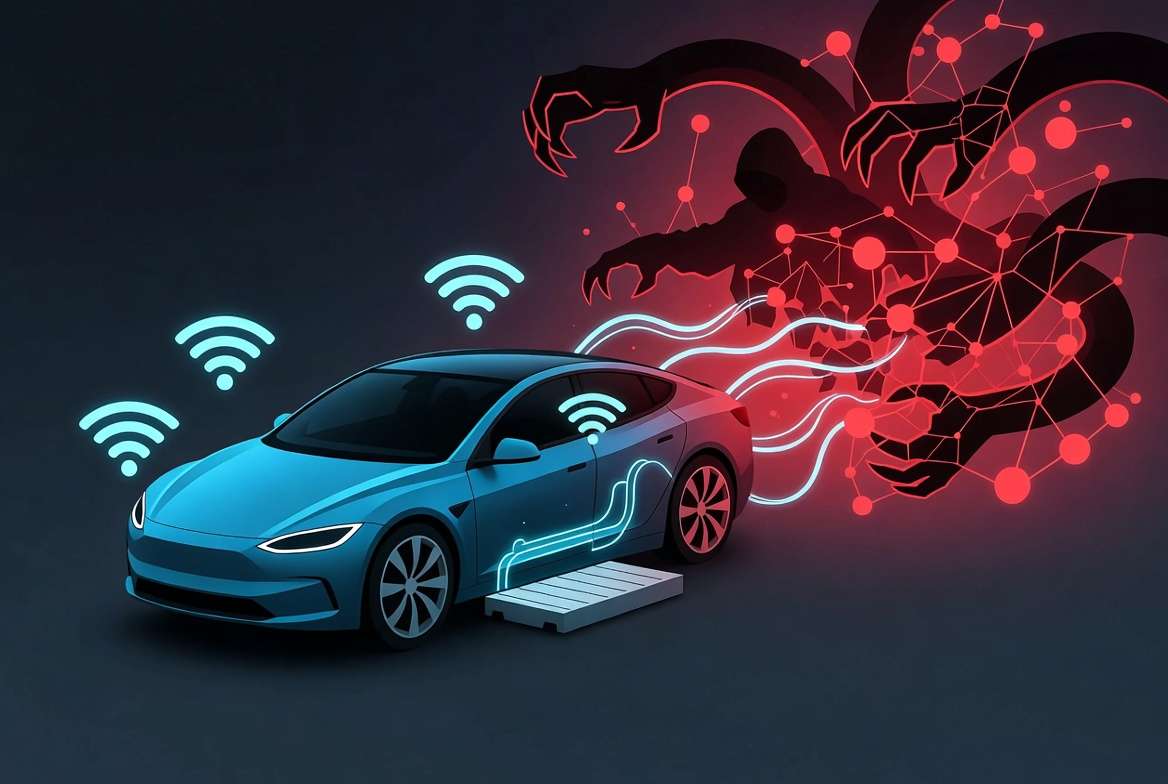
Are EVs a potential cybersecurity risk? Modern vehicles, including EVs, are essentially computers on wheels. Around 40 per cent of the cost of manufacturing a new car is due to electronic components, and new vehicles can contain over 100 million lines of code. They contain numerous computer chips, cameras, sensors, microphones, and Internet connectivity.
Over-the-air updates allow for the vehicle’s software to be updated remotely. Due to their connectivity and technological complexity, modern vehicles are vulnerable to cyber-threats such as hacking and spyware.
These concerns are not merely theoretical. There are examples of vehicles being remotely hacked, disabling the engine or controlling the steering. In Denmark and Norway, Chinese electric buses were found to contain a security vulnerability allowing for them to be remotely accessed and deactivated. A mass deactivation of vehicles could cause large-scale chaos on the roads and bring traffic, emergency operations, and other critical services to a halt.
There are also privacy concerns. Location sensors and microphones, for example, have the capability to…