What is XDR in cybersecurity? How it works and why it matters

What is XDR in cybersecurity? How it works and why it matters
https://www.expressvpn.com/blog/what-is-xdr-in-cyber-security/
Publish Date: 2026-01-30 03:50:00
Source Domain: www.expressvpn.com
Extended detection and response (XDR) is a cybersecurity framework designed to help organizations keep up with complex, multi-stage attacks. As threats move across endpoints, networks, cloud services, and identities, XDR brings security data together to help teams see attacks earlier and respond more effectively.
This article explains what XDR is, how it works, its benefits and limitations, and why it matters for cybersecurity today.
What is XDR in cybersecurity?
XDR is a centralized cybersecurity platform that detects, investigates, and responds to threats across an organization’s entire IT environment. It continuously collects and correlates telemetry (ongoing, time-based, system-generated data) from endpoints, networks, cloud services, email, and other systems.
Rather than looking at each system separately, XDR connects the dots between these different data points. This helps security teams spot attacks that might otherwise go unnoticed because the activity is spread across multiple places.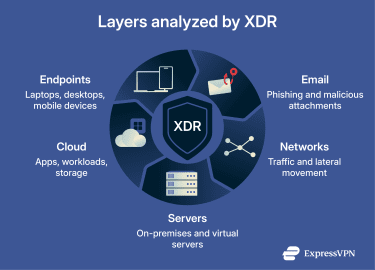
There are two common types of XDR:
- Native XDR: This comes from a single security vendor and works best with that vendor’s own tools. This can make setup easier but may limit visibility to other products.
- Open XDR: This works across many different security tools, no matter the vendor. It brings together data from various sources, making it a better fit for organizations using multiple security products.
Both types aim to give security teams clear, actionable information and make it easier to respond quickly to threats.
Why XDR matters in modern cybersecurity
Modern cyberattacks have grown increasingly sophisticated and difficult to detect. Instead of targeting a single system, attackers often move across endpoints, networks, and cloud services, progressing through multiple stages of the kill chain (common stages of a cyberattack). At the same time, network architectures have grown more complex, spanning on-premises systems,…